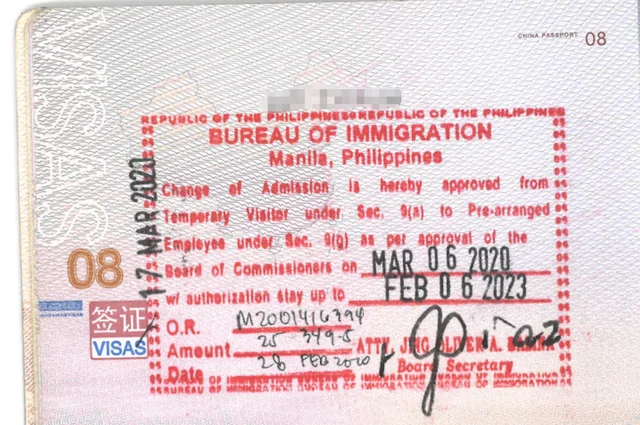
Downgrading a 9G visa is the formal Bureau of Immigration process for changing a foreign worker’s immigration status from a 9(g) Pre-Arranged Employment Visa back to temporary visitor or tourist status. This is commonly required when the foreign national resigns, is terminated, completes an assignment, changes employers, or no longer qualifies to remain under the sponsoring company’s work visa.
This is an important compliance step because the 9(g) visa is tied to a specific employer and role. When that employment relationship ends, the worker should not assume the visa remains valid until its printed expiry date. The visa must usually be canceled or downgraded so the foreign national can either leave the Philippines, remain temporarily as a visitor, or apply for a new status.
What Downgrading A 9G Visa Means
Downgrading a 9G visa means reverting a foreign national’s immigration status from a long-term employment visa to a 9(a) Temporary Visitor Visa. The Bureau of Immigration describes visa downgrading as the reversion of a foreign national’s immigration visa to temporary visitor or tourist status so the person can continue staying legally in the Philippines.
The process does not erase the foreign national’s immigration history. Instead, it closes or changes the previous work-based status and gives the person a limited visitor period, usually allowing time to prepare for departure, explore another lawful visa option, or complete a transition to a new employer.
Why A 9G Visa Must Be Downgraded
The 9G visa is employer-specific. It is granted based on a petition from a particular Philippine company, a particular employment contract, and a particular role. If the employee resigns, is terminated, retires, or transfers to another employer, the basis for the visa changes.
A foreign worker should not continue using the existing 9G visa after the employment relationship ends. The Bureau of Immigration expects the foreign national or sponsoring employer to take action before the visa expires or before the person begins another immigration process.
Downgrading protects the foreign worker from being treated as out of status and helps the employer close its sponsorship responsibilities properly.
When Downgrading Is Required
A 9G visa downgrade is usually needed when:
- The employee resigns from the sponsoring employer.
- The employer terminates the employee.
- The foreign worker’s employment contract ends.
- The Philippine assignment is completed.
- The employer closes, loses authority to operate, or withdraws sponsorship.
- The employee will move to another Philippine employer.
- The employee plans to leave the Philippines permanently or for an extended period.
- The employee will apply for another visa category inside the Philippines.
The formal request should be filed on or before the expiration of the existing visa. BI rules state that a request for downgrading must be filed on or before the visa’s expiry date.
What Happens After Downgrading
If the downgrade is approved, the foreign national is generally allowed to remain in the Philippines as a temporary visitor for 59 days from the date of approval. The Bureau of Immigration implements the new status by stamping or annotating the passport.
This visitor period gives the person a legal window to do one of the following:
- Depart from the Philippines.
- Apply for an extension of temporary visitor stay, if eligible.
- Prepare a new work visa application through another employer.
- Apply for another qualifying immigration status.
- Settle personal, housing, banking, or family arrangements before departure.
The downgraded 9(a) status does not authorize employment. The foreign national must not work for the former employer, a new employer, or another Philippine business unless a new work authorization is issued.
The Employer’s Role
Although the foreign worker has a personal duty to maintain lawful immigration status, the employer also has a major role in the downgrade. The employer sponsored the original 9G visa and may need to provide documentation confirming the employment ended.
Typical employer documents may include a resignation acceptance letter, notice of termination, certificate of employment, cancellation request, or a formal letter supporting the downgrade. The employer may also need to coordinate the cancellation or closure of the Alien Employment Permit with DOLE.
The employer should not simply remove the worker from payroll and assume the immigration status will take care of itself. A coordinated exit process reduces risk for both the company and the foreign employee.
The Alien Employment Permit Connection
The Alien Employment Permit, or AEP, is the labor authorization that usually supports a 9G work visa. When employment ends, the AEP may also need to be canceled, amended, or otherwise addressed with DOLE.
The AEP and 9G visa are separate approvals, but they are connected through the same employment relationship. A foreign worker who stops working for the sponsor should coordinate both processes rather than focusing only on the Bureau of Immigration filing.
Employers should keep proof that the AEP was properly handled because it may be requested in a future work visa application or during an employment compliance review.
When The Employee Changes Employers
Changing employers is one of the most common reasons for downgrading a 9G visa. The existing visa does not transfer automatically to the new company because it is tied to the original petitioner and approved role.
The usual transition involves:
- Ending or formally closing the old employment relationship.
- Downgrading or canceling the existing 9G visa.
- Addressing the cancellation of the old AEP.
- Securing a new job offer and contract.
- Applying for a new AEP through the new employer.
- Filing a new 9G visa conversion or petition.
- Obtaining a Provisional Work Permit if work must begin while the new 9G application is pending.
The foreign national should not start working for the new employer while still holding a 9G visa that belongs to the previous employer.
Promotion Within The Same Company
A promotion within the same company is treated differently from a change of employer. The Bureau of Immigration issued Board Resolution No. 2024-0011, clarifying that a 9(G) Commercial Visa holder who is promoted within the same company is no longer required to downgrade to a 9(a) Temporary Visitor Visa solely because of the promotion.
Instead, the employer must submit a Notice of Promotion to BI, attach the original or certified true copy of the appointment or election document, and file an application for extension of the existing 9(G) visa within 30 days after BI receives the notice.
The employee must surrender the existing ACR I-Card and apply for a new card reflecting the new position. This rule applies to promotion within the same employer; it does not permit unrestricted role changes or transfers to a different company.
Where To File
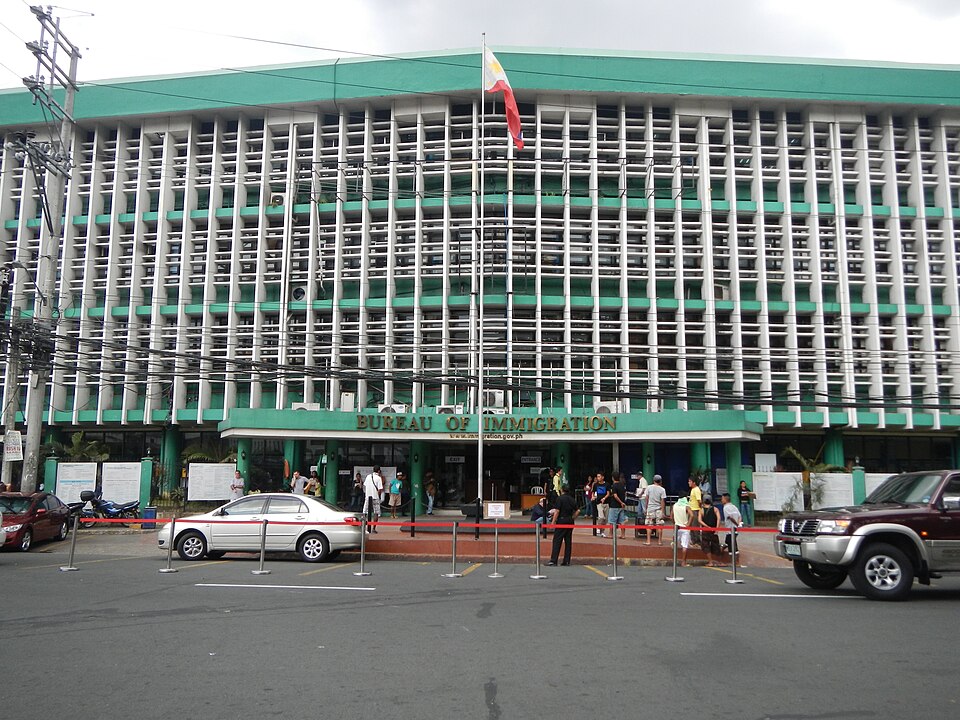
The Bureau of Immigration lists the BI Main Office as the location for visa downgrading applications. Depending on the visa type, location, and specific circumstances, some BI field or extension offices may receive or process certain cases, but the applicant should confirm jurisdiction before filing.
For a standard 9G downgrade, the BI Main Office in Intramuros, Manila, is generally the primary filing location. Applicants should not assume that every BI satellite office can process all downgrade applications.
Documents Commonly Required
The exact Bureau of Immigration checklist should be confirmed before filing. However, a 9G downgrade application commonly requires:
- A letter requesting a downgrade addressed to the Commissioner.
- Passport and a photocopy of the biographical data page.
- Copy of the visa implementation page.
- Copy of the latest admission stamp or a valid authorized stay page.
- Copy of the ACR I-Card, front and back.
- Original ACR I-Card for surrender or cancellation when required.
- Resignation letter, termination notice, or certificate of employment.
- Employer letter confirming the end of sponsorship.
- AEP cancellation, proof of AEP action, or related DOLE document, where applicable.
- Bureau of Immigration clearance or “no derogatory record” stamp, where required.
- Special Power of Attorney if an authorized representative files the application.
Applicants should confirm whether original documents, notarization, and additional corporate records are required for the particular case.
Step One: Confirm The Reason For Downgrading
The applicant should first identify why the 9G visa needs to be downgraded. The reason may be resignation, termination, transfer to a new employer, end of project, retirement, company closure, or a change to another visa category.
The letter request and supporting documents should clearly reflect the actual reason. If the foreign worker resigned, the file should include resignation evidence. If the employer terminated the worker, the file should include the appropriate notice or certificate.
A vague explanation can lead to additional questions or processing delays.
Step Two: Coordinate With The Employer
The employee should communicate with the sponsoring employer before filing. The company may need to issue a release letter, acceptance of resignation, certificate of employment, or a request to BI.
This coordination is especially important when the employee is moving to another employer. The old employer’s documents help demonstrate that the prior 9G sponsorship has ended, making it easier for the new company to begin the next AEP and visa process.
The employee should keep copies of all employment and immigration correspondence.
Step Three: Address The AEP
Before or at the same time as the immigration downgrade, the employer should coordinate the appropriate AEP action with DOLE. The correct action may depend on the circumstances, but the old AEP should not remain unaddressed after the employment relationship ends.
This step matters because a new employer’s AEP application may be affected if the records still show the foreign worker as actively employed under a previous permit.
Step Four: Prepare The BI Letter Request
The letter of request is the central document in the downgrade application. It should be addressed to the Commissioner of Immigration and state the foreign national’s name, passport number, ACR I-Card number, existing visa category, sponsoring employer, and reason for the downgrade.
The letter should request a return to temporary visitor status. It should be signed by the applicant or an authorized representative of the petitioner, depending on the case and BI requirements.
A well-prepared letter should be factual and consistent with the employment documents, AEP records, and immigration history.
Step Five: Submit The Application
The BI’s published procedure is straightforward:
- Present the letter request and required documents.
- Obtain an Order of Payment Slip.
- Pay the immigration fees.
- Receive the Official Receipt.
- Submit the Official Receipt with the other documents for evaluation.
The officer may conduct a preliminary review and ask for missing documents. In some cases, additional verification or a hearing may be required.
Applicants should not leave the Philippines while the passport is held by BI unless they have confirmed that travel is permitted.
Step Six: Pay The Fees
The fees for downgrading can vary depending on visa type, status validity, penalties, express processing, and other circumstances. The BI will issue an Order of Payment Slip stating the applicable charges.
Applicants should not rely on a fixed amount from an old online article. A person who has overstayed, has an expired card, or has unresolved immigration issues may face additional charges or penalties.
The official receipt is a critical part of the filing. It should be copied and retained with the immigration records.
Step Seven: Passport Implementation
If BI approves the downgrade, the applicant presents the passport for implementation. The BI then stamps or annotates the passport with the downgraded temporary visitor status.
The applicant should check the passport after release to confirm the visa category, effective date, and authorized period of stay. The usual temporary visitor period granted after approval is 59 days, counted from the date of the downgrade approval.
Step Eight: Plan The Next Immigration Step
After downgrading, the foreign national must decide what happens next. If the person will depart, they should review whether an Exit Clearance Certificate is required. If the person will remain as a visitor, they should monitor the 9(a) expiration date and apply for extension, if eligible.
If the person will join a new employer, the new company should begin the AEP and 9G application process. The foreign national must not start work under the new employer until the appropriate work authorization has been issued.
Planning the next step before the downgrade is approved helps prevent gaps in status.
Exit Clearance Certificate Considerations
A foreign national who has been in the Philippines for an extended period may need an Exit Clearance Certificate before departure. The requirement can depend on visa category, length of stay, ACR I-Card status, and whether the person is leaving after downgrading.
Applicants should verify the current ECC rules before booking travel. In some cases, the ACR I-Card must be surrendered, and the ECC application should be filed several days before the intended departure.
The ECC is separate from the downgrade. A foreigner should not assume that the downgrade approval alone completes all exit requirements.
Processing Time
Processing time can vary depending on the BI office, document completeness, immigration record, and whether there are derogatory issues. The official process does not guarantee a fixed number of days, so applicants should allow adequate time before travel or a planned job transition.
A simple, complete case may move faster than a case involving overdue filings, lost documents, an expired visa, or unresolved AEP and employer issues. Early filing is the best way to avoid pressure near a departure date.
Next Steps
Downgrading a 9G visa is the formal process of reverting a foreign worker’s employer-sponsored immigration status to temporary visitor status after employment ends. The application should be filed before the existing visa expires and generally results in a 59-day visitor period after approval.
The process requires coordination with the former employer, proper action on the AEP, a clear letter request, supporting employment documents, BI filing, fee payment, and passport implementation. A foreign worker changing employers must obtain new work authorization before beginning the new role, while a person leaving the Philippines should check whether an Exit Clearance Certificate is required.
Work Visa Philippines helps foreign employees and sponsoring companies manage 9G downgrades, employment transitions, visa cancellations, and next-step immigration planning in a compliant and organized way.
Why Turn To Experts
For Work Visa Philippines, downgrading a 9G visa is a key part of responsible employment immigration management. The end of a foreign employee’s assignment is not complete until the company and worker have addressed the AEP, 9G visa, ACR I-Card, and, when necessary, departure requirements.
A proper downgrade protects the foreign worker’s immigration record and helps the employer close its sponsorship responsibly. It also creates a clean path for the foreign national to leave, remain temporarily as a visitor, or move lawfully to a new employer. Contact us today for an initial consultation:
- Contact Us Here
- Fill Out the Form Below
- Call us at +63 (02) 8540-9623