The Philippine SIRV from Australia is one of the most direct ways for Australian nationals to live in the Philippines while making a qualifying investment. For Work Visa Philippines, this matters because the Special Investor’s Resident Visa gives foreign investors a lawful residence pathway that is tied to actual capital deployment, not just a temporary stay.
The SIRV is designed for foreign nationals who are willing and able to invest in approved Philippine investment channels. For Australians who want to move beyond short-term travel and establish a more stable presence in the Philippines, it can be a valuable long-term option.
What The SIRV Is
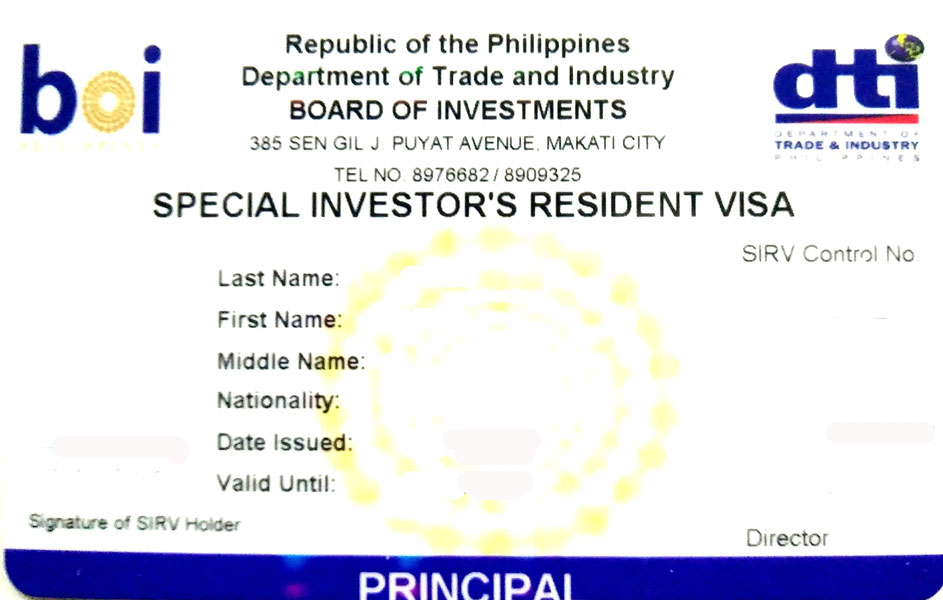
The Special Investor’s Resident Visa, or SIRV, is a resident visa issued to foreign nationals who meet the investment and eligibility requirements established by Philippine authorities. It allows the holder to reside in the Philippines while maintaining the required qualifying investment.
This visa is different from a work visa because it is not based on employment. It is also different from a tourist status because it is built around a long-term investment commitment that must be maintained under the rules of the Board of Investments.
Why Australians Use The SIRV
Australian nationals often consider the Philippine SIRV because it offers a practical route to residence for investors who want to spend meaningful time in the Philippines. It can be attractive to Australians who are looking at business expansion, portfolio diversification, or personal relocation tied to capital placement.
The visa also suits people who want a stable legal basis for staying in the country without relying on repeated short-term extensions. For someone based in Australia who is exploring a longer-term move to the Philippines, the SIRV can provide more certainty than a temporary visitor visa.
Legal Framework
The SIRV is governed by Philippine investment and immigration rules, including the Board of Investments’ implementing procedures and relevant executive issuances. Public sources consistently show that the core threshold remains a qualifying investment of at least US$75,000 in covered investments, subject to the current rules and any special reductions that may apply in limited cases.
Because the visa is investment-based, the legal focus is not on employment status but on whether the applicant satisfies the age, criminal record, health, and investment criteria. The investor must also maintain the qualifying funds in approved Philippine channels as required by the program.
Who Can Apply
The SIRV is open to foreign nationals who are at least 21 years old and who are willing and able to make the required investment. Australian nationals fall within the general class of eligible foreign investors, provided they meet the documentary and substantive requirements.
Applicants must also satisfy the character and health criteria established by the program. In practical terms, that means the Australian applicant should be able to show a clean criminal record, medical fitness, and a genuine ability to fund the qualifying investment.
Main Eligibility Requirements
For Australians applying for a Philippine SIRV, the main eligibility points are straightforward:
- The applicant must be at least 21 years old.
- The applicant must not have been convicted of a crime involving moral turpitude or a similar disqualifying offense.
- The applicant must be willing and able to invest at least US$75,000 in covered Philippine investments.
- The applicant must not be afflicted with contagious, dangerous, or disqualifying medical conditions.
- The applicant must not fall under any restricted nationality or disqualifying category under current rules.
These requirements matter because the SIRV is not a discretionary lifestyle visa. It is a structured investor program, and the authorities will expect clear evidence that the applicant qualifies.
Eligible Investments
The SIRV requires investment in covered Philippine assets rather than any random business purchase. Publicly available references describe eligible investments as securities, publicly listed Philippine corporations, government bonds, and other investments approved under the relevant rules.
This is important for Australian applicants because the visa is not simply about remitting money to the Philippines. The capital must go into approved investment vehicles, and the applicant must keep proof that the investment remains compliant.
Why The Investment Structure Matters
The investment structure is one of the most important parts of a Philippine SIRV from Australia application. A valid investment is not just about the amount; it is about where the funds go and whether the placement matches the SIRV rules.
If the investment is not in a covered category, the application may be delayed or rejected. Australian applicants should therefore plan the investment first and the visa filing second, not the other way around.
Minimum Investment Amount
The standard minimum investment is US$75,000. That amount must be placed in qualified Philippine investments and maintained as required by the program.
Some public materials mention possible reductions in limited circumstances under certain executive issuances, but the general standard for most applicants remains the US$75,000 threshold. For planning purposes, Australian applicants should assume the full standard amount unless they have been specifically advised otherwise under the current rules.
Application From Australia
Australian nationals can typically begin the process through the Philippine Embassy or Consulate that has jurisdiction over their place of residence, or through another authorized filing channel under the current rules. Some applicants also apply while already in the Philippines, depending on their status and the available filing process.
For Australians applying from abroad, the process generally starts with collecting personal documents, preparing the investment proof, and filing the application through the proper Philippine post. The exact channel can depend on location, residency, and the current procedure in effect.
Step 1: Prepare Your Personal Documents
The first step is gathering the personal records that show identity, age, marital status, if applicable, health, and good character. These usually include:
- A completed SIRV application form.
- A valid passport.
- Birth certificate or equivalent civil record.
- Marriage certificate, if applicable.
- Personal history statement.
- Police clearance from Australia and, where relevant, other countries of residence.
- Medical certificate showing fitness and absence of disqualifying conditions.
These documents must be accurate and consistent. Small errors can create delays, especially when the application is reviewed by multiple agencies.
Step 2: Prepare The Investment Evidence
The second step is preparing proof that you are able to fund the required investment. For an Australian applicant, this means showing that the US$75,000 can be lawfully remitted into a covered investment channel.
Depending on the case, this may involve bank records, remittance documents, investment confirmations, and other supporting paperwork. The visa process is easier when the applicant can clearly show the source, transfer, and placement of the funds.
Step 3: File The Application
Once the documents are ready, the applicant files the SIRV application with the appropriate Philippine authority or post. The filing usually includes the application form, supporting identification papers, criminal clearance, medical evidence, and proof of intention to remit investment funds.
This filing stage is where completeness matters most. If something is missing, the application can stall before the investment portion is even reviewed.
Step 4: Remit The Investment
After provisional approval or the required preliminary review, the applicant remits the investment amount into the approved Philippine investment channel. Public materials commonly describe remittance through a BOI-accredited depository bank such as the Land Bank of the Philippines or the Development Bank of the Philippines.
The applicant should retain proof of inward remittance and the investment confirmation. This proof is critical because the visa depends on the investment being properly placed and documented.
Step 5: Visa Issuance And ACR I-Card
Once the investment is validated, the SIRV can be fully issued and implemented. After that, the foreign investor is generally able to secure the Alien Certificate of Registration Identity Card, or ACR I-Card, as part of resident alien registration.
The ACR I-Card is important because it serves as the investor’s official identification in the Philippines. It is also part of the broader immigration compliance record that supports continued lawful residence.
Step 6: Maintain The Investment
The SIRV is not a one-time filing that ends after approval. The visa remains tied to the qualifying investment, so the investor must maintain the required funds in the approved Philippine vehicle.
If the investment falls out of compliance, the visa status can be affected. That is why ongoing monitoring is just as important as the initial application.
Benefits Of The SIRV
The SIRV offers several important benefits for Australians who want to establish a longer-term presence in the Philippines.
Key advantages include:
- A residence pathway based on investment rather than employment.
- A lawful way to stay in the Philippines while keeping qualifying capital in approved assets.
- A more stable alternative to repeated visitor extensions.
- A structure that can support relocation planning, business interest, and long-term personal presence.
- Potential family-related convenience when dependents are included under the applicable rules.
For many Australian applicants, the biggest advantage is predictability. The visa provides a clearer framework for residence because it is tied to a real investment commitment.
Common Documents For Australian Applicants
While requirements can vary by filing location and current procedure, Australian applicants often need:
- Passport copies.
- SIRV application forms.
- Police clearance from Australia.
- Medical certificate.
- Birth certificate.
- Marriage certificate, if applicable.
- Personal history statement.
- Proof of inward remittance.
- Proof of investment in a covered asset.
- Bank or investment statements supporting the source and movement of funds.
If a document is issued in Australia, it may need authentication or an apostille depending on the applicable process. Applicants should confirm the exact document treatment before filing.
Common Mistakes
A common mistake is assuming that any bank transfer to the Philippines counts as a qualifying SIRV investment. That is not correct. The funds must be placed in approved investment channels.
Other common mistakes include:
- Filing before preparing the investment evidence.
- Ignoring the age or character requirements.
- Submitting incomplete police or medical clearances.
- Failing to maintain the investment after approval.
- Confusing the SIRV with a retirement visa or a work visa.
These mistakes can create unnecessary delay or lead to a rejected application.
Final Insights
The Philippine SIRV from Australia is a strong option for Australian investors who want to live in the Philippines through a qualifying investment. It requires careful preparation, a real investment commitment, and continued compliance with the program’s rules, but it can offer a stable and practical route to residence.
For Australian nationals who are ready to invest and want a lawful long-term presence in the Philippines, the SIRV is one of the most useful pathways available. Work Visa Philippines can help applicants understand the steps, prepare the right documents, and structure the application correctly from the start.
How Work Visa Philippines Can Assist
For Work Visa Philippines, the Philippine SIRV from Australia is a major option for foreign investors who want more than just a temporary stay. It gives Australian nationals a legal residence pathway that aligns with capital investment and long-term planning.
This makes the SIRV especially relevant for clients who want to live in the Philippines while keeping their funds deployed in approved Philippine investments. It also helps investors plan family relocation, business involvement, and future residence strategies with more confidence. Contact us today for an initial consultation:
- Contact Us Here
- Fill Out the Form Below
- Call us at +63 (02) 8540-9623