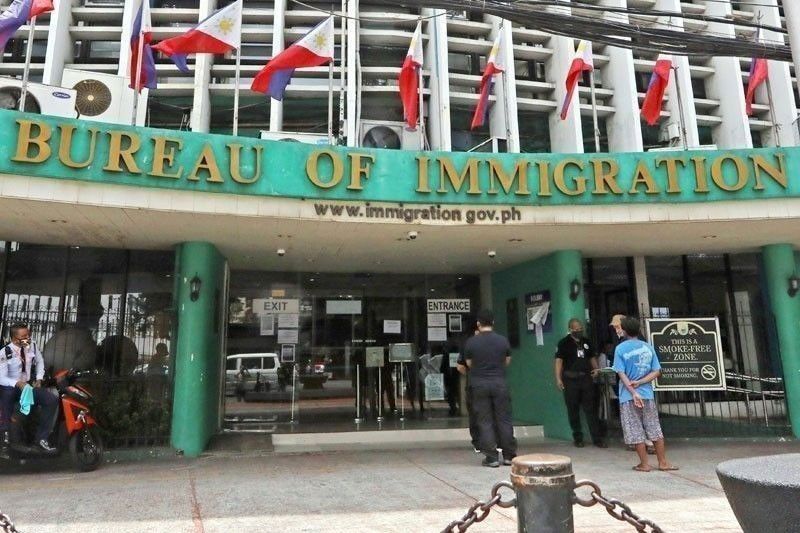
Hiring or working in the Philippines as a foreign national requires careful planning. Understanding the right visa for foreign employees helps workers and employers avoid common immigration problems.
A foreign employee may need an immigration visa, a work permit, or both before starting a job. The correct documents depend on the type of work, the employer, and the employee’s legal status in the country. A foreign national who enters the Philippines as a visitor may not have permission to work. A job offer alone also does not give a foreign employee the right to start working.
What Is a Visa for Foreign Employees?
A visa for foreign employees is an immigration document or status that allows a foreign national to stay in the Philippines for an approved employment purpose. The type of visa depends on the employee’s work and the legal basis for staying in the country.
For many foreign workers hired by Philippine companies, the 9(g) Pre-Arranged Employment Visa is the main option. It is intended for foreign nationals who will engage in lawful work for wages, salary, or other compensation.
However, not every foreign national who performs work in the Philippines uses a 9(g) visa. Some may qualify for a special work permit or a visa under a separate law or program.
It is important to understand the difference between these documents:
- Immigration visa: Allows a foreign national to enter or stay in the Philippines under a specific purpose or status.
- Alien Employment Permit (AEP): A labor permit issued by the DOLE to covered foreign workers.
- Provisional Work Permit (PWP): A temporary work authorization that may be available to eligible applicants while a qualifying 9(g) application is pending.
- Special Work Permit (SWP): A permit for certain temporary work activities that do not fall under the usual long-term employment arrangement.
These documents serve different purposes. Employers and foreign employees should confirm which ones apply before work begins.
What Are the Main Work Visa Options in the Philippines?
The Philippines has several immigration routes for foreign nationals. The correct option depends on the employee’s job, the length of the assignment, and the legal basis for employment.
1. 9(g) Pre-Arranged Employment Visa
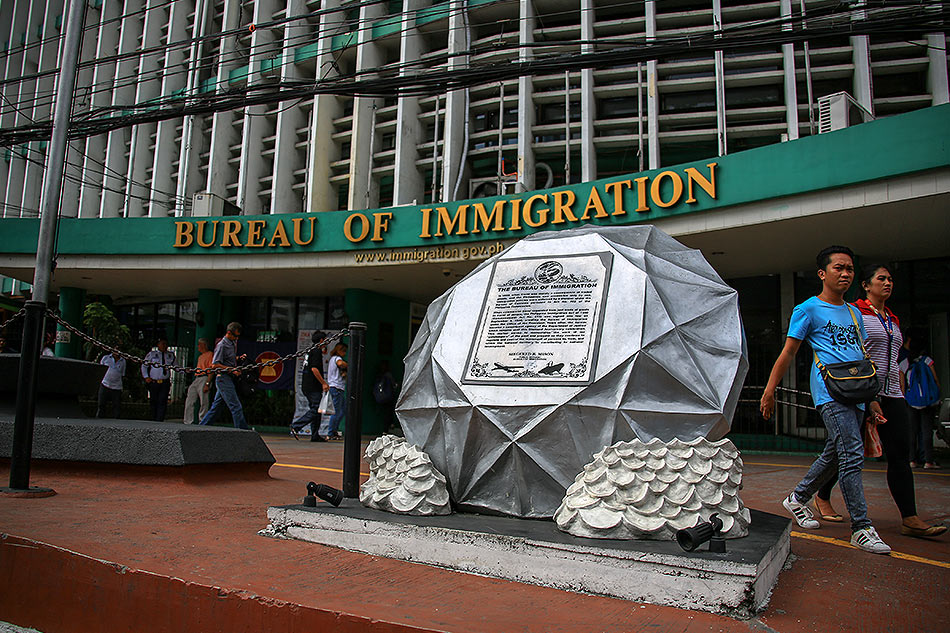
The 9(g) visa is the common work visa for foreign nationals employed by Philippine companies. It is issued by the Bureau of Immigration (BI) and is based on an approved employment arrangement.
The Philippine employer acts as the petitioner for the foreign employee. The application must show that the foreign national has a valid job with the company and meets the applicable requirements.
The 9(g) visa may be used by foreign professionals, managers, technical employees, and other workers hired for lawful employment.
The approved visa is tied to the employment arrangement. A foreign employee should not assume that the visa allows work for another company or in a different role without the required government action.
2. Special Work Permit
The Special Work Permit is intended for certain foreign nationals who will perform temporary work or activities in the Philippines. It may apply to specific short-term assignments, depending on the nature of the work and the BI rules.
It is not a general substitute for a 9(g) visa for long-term employment.
The employer and foreign employee should review the proposed activity and the current BI requirements before deciding whether an SWP is appropriate.
3. Provisional Work Permit
A Provisional Work Permit may be available to a foreign national who has filed a qualifying 9(g) visa application and needs work authorization while the visa application is being processed.
It is issued by BI and is not automatic. The foreign employee must meet the requirements and obtain the permit before working under this temporary authorization.
Employers should not allow a foreign national to start work simply because a 9(g) application has been submitted.
4. Special Visa Categories
Some foreign nationals may qualify for special visas under specific laws or government programs. These may include certain treaty trader or investor visas, special visas for registered businesses, or other categories listed by BI.
These options are not available to every foreign employee. They have separate qualifications and may depend on the person’s nationality, investment, employer, or business activity.
A company should review the legal basis of the visa before using a special category for an employee.
What Is the Alien Employment Permit, and Why Is It Important?
The Alien Employment Permit is a separate labor authorization issued by DOLE. It generally applies to foreign nationals who intend to engage in gainful employment in the Philippines, unless they qualify for an exemption or exclusion.
The AEP process helps DOLE assess the foreign employment arrangement, including whether Filipino workers are available and qualified for the position. It also supports the government’s policy of protecting local employment opportunities.
A foreign employee may need an AEP before applying for a 9(g) visa. However, the exact process depends on the person’s situation and the current rules.
The employer and employee should check whether the foreign national needs:
- A new AEP.
- An AEP renewal.
- An exemption or exclusion certificate.
- Another form of work authorization.
DOLE Department Order No. 248, Series of 2025, updated the rules on employing foreign nationals. Later orders introduced further changes to the application process.
As of June 9, 2026, AEP processing is centralized at the DOLE Central Office. Regional offices no longer accept or process new and renewal AEP applications under the centralized system.
Applicants should use the latest DOLE instructions instead of relying on older application guides.
What Are the Requirements for a 9(g) Visa?
The 9(g) visa application requires documents from both the foreign employee and the Philippine employer. These documents help BI review the employment arrangement and determine whether the applicant meets the requirements.
The exact checklist may vary depending on the application type, the employer, and the employee’s situation.
Foreign Employee Documents
The employee may need to prepare:
- A valid passport.
- The required BI application form.
- Current immigration documents, if already in the Philippines.
- A copy of the employment contract or appointment.
- A valid AEP or the required proof of exemption or exclusion, where applicable.
- Other documents requested by BI.
The passport and supporting records should contain consistent information. Differences in names, dates, job details, or other information may lead to additional questions.
Employer Documents
The Philippine employer may need to provide:
- SEC registration documents or other proof of business registration.
- Company details and business permits, as required.
- Employment contract or appointment documents.
- Information about the foreign employee’s position and duties.
- A notarized certification of the number of Filipino and foreign employees, when required.
- Other documents listed in the current BI checklist.
The employer should make sure that the documents are complete and accurate before filing. BI may ask for additional supporting records depending on the case.
How to Apply for a Work Visa in the Philippines
The application process has several steps. Employers and foreign workers should start coordinating early because the work permit and visa applications may need different documents and separate government approvals.
Step 1: Confirm the Correct Visa Category
The employer and foreign employee should first identify the correct visa or permit. A long-term employee hired by a Philippine company will often use the 9(g) route, while certain temporary assignments may qualify for an SWP.
The company should review the employee’s job duties, expected length of stay, and employment arrangement before proceeding.
Step 2: Prepare the AEP Application, If Required
For covered foreign employees, the employer should help prepare the AEP application and supporting documents.
The application must follow the current DOLE rules. The company should also check whether the employee qualifies for an exemption or exclusion.
Since AEP processing is centralized, employers should confirm the latest filing instructions and requirements with DOLE.
Step 3: Prepare the 9(g) Visa Application
The employer and employee should collect the documents required by BI. The employer acts as the petitioner for the commercial employment visa.
The application should contain accurate information about the company, job position, employment terms, and employee.
The applicant should follow the current BI checklist and filing instructions. The required process may include document screening, payment of fees, a hearing, and other steps specified by BI.
Step 4: Complete the Required Immigration Procedures
After filing, the applicant must complete the procedures required by BI. These may include biometrics, payment, submission of the passport for visa issuance, or other steps.
The foreign employee should check the status of the application through the official BI channels. Approval should not be assumed until the government confirms it.
Step 5: Confirm Work Authorization Before Starting
The employer should confirm that the foreign employee has the required authorization before allowing the person to begin work.
If a PWP is applicable, the employee must obtain it before working under that temporary authorization. A pending application alone does not give the employee permission to work.
How Long Does the Work Visa Process Take?
Processing time depends on the visa category, completeness of the documents, and the government office handling the application.
A 9(g) application may take several weeks or longer. The AEP process may also affect the overall timeline, especially when additional documents or review are needed.
Employers should avoid making firm work start dates based only on general processing estimates. Government timelines are not guarantees.
To reduce delays, applicants should:
- Use the latest government checklist.
- Submit complete and consistent documents.
- Respond quickly to requests for additional information.
- Check application status through official channels.
- Start the process early enough to allow for review.
The company should also keep track of the employee’s current immigration status while the application is pending.
Can a Foreign Employee Change Employers or Renew a 9(g) Visa?
A 9(g) visa is based on the approved employment arrangement. If the foreign employee changes employers, the new company should review the required work permit and immigration process before the employee starts the new job.
The existing AEP or visa should not be assumed to transfer automatically.
For renewal, the employee and employer should review the expiration dates and prepare the required documents before the visa expires. BI may require an updated employment contract, company records, employee details, and other supporting documents.
The employer should also check whether the AEP needs renewal or whether a different work authorization applies.
When employment ends, the company should review the proper permit and immigration steps. It should also complete the employment-related duties required by Philippine labor law.
What Are the Responsibilities of Philippine Employers?
Employers have an important role in helping foreign employees remain compliant. They must not treat immigration documents as a one-time hiring requirement.
The employer should:
- Confirm the correct work authorization before the employee starts.
- Provide accurate company and employment documents.
- Support required AEP and visa applications.
- Monitor permit and visa expiration dates.
- Review changes in job duties or employer.
- Keep employment and immigration records updated.
- Follow applicable Philippine labor laws.
The company should also make sure that the foreign employee’s work matches the approved employment arrangement.
Final Thoughts
Getting the right visa is an important step for foreign workers who want to work in the Philippines. The 9(g) Pre-Arranged Employment Visa is commonly used by foreign employees hired by Philippine companies. However, other visas and permits may be needed depending on the situation.
Employers and foreign workers should know the difference between a work visa and a labor permit. They must also prepare the required documents, follow the latest DOLE and BI procedures, and keep track of visa and permit expiration dates, as well as any changes in employment.
By planning early and checking the latest government requirements, companies can reduce avoidable delays and help foreign employees maintain the proper authorization to work in the Philippines.
Get Expert Assistance
Applying for a work visa in the Philippines may require dealing with several government offices and preparing different documents. Employers and foreign workers may need help choosing the right visa, preparing the Alien Employment Permit (AEP) application, and completing the 9(g) visa process.
Work Visa Philippines can assist foreign employees and Philippine companies with work visa requirements, permit applications, renewals, and immigration compliance. Proper guidance can help applicants prepare their documents and understand the steps involved. Contact us for an initial consultation:
- Contact Us Here
- Fill Out the Form Below
- Call us at +63 (02) 8540-9623