Waiting for a visa can be stressful, especially when you have a job, business trip, or move planned. Knowing the expected visa processing time helps you prepare your documents, plan your travel, and avoid problems with your stay in the Philippines.
The time needed to process a Philippine visa depends on the type of visa you are applying for. The Philippine e-Visa system, for example, gives a processing estimate of 7 to 12 working days for single-entry applications and 15 to 21 working days for multiple-entry applications. However, these timelines do not apply to every visa type.
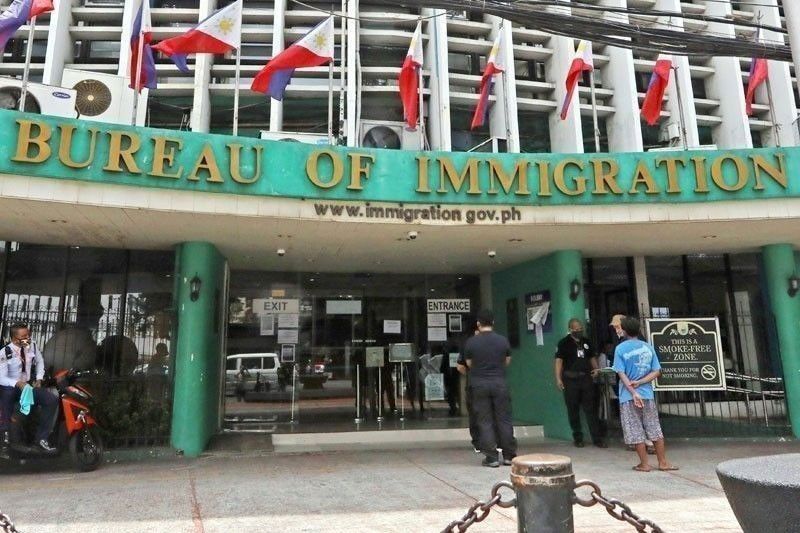
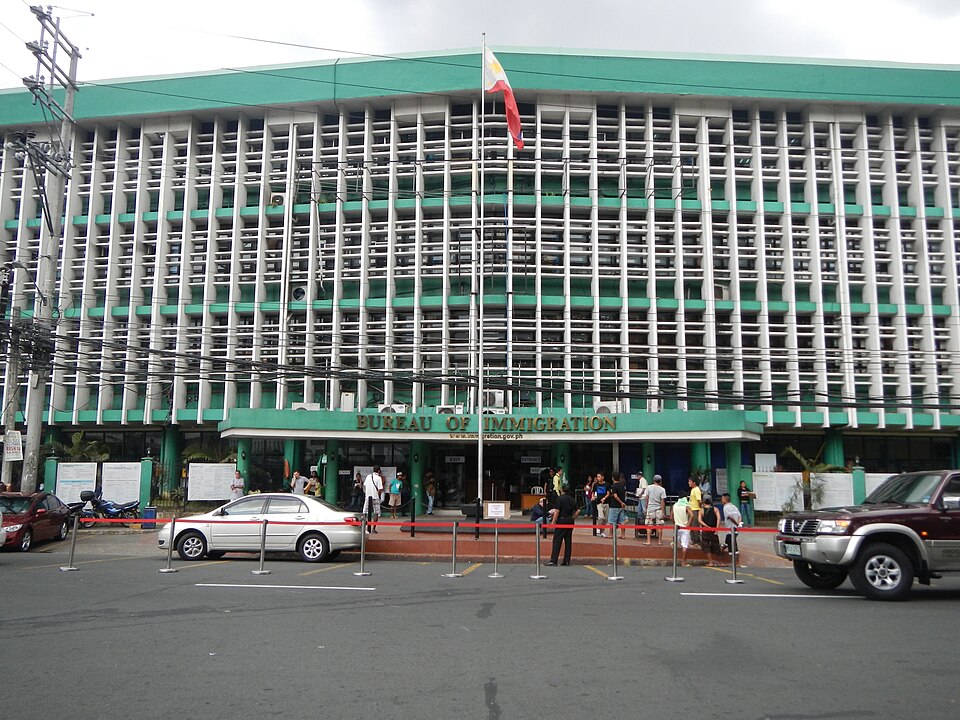
Foreign workers must also understand that a 9(g) Pre-Arranged Employment Visa follows a different process. It involves the Bureau of Immigration (BI) and, in most cases, the Department of Labor and Employment (DOLE). The Alien Employment Permit (AEP) process adds another step that employers must consider.
What Does Visa Processing Time Mean?
Before applying, it helps to understand what a processing period covers. It is the time government offices need to review an application and decide whether to approve it.
Visa processing time is not always the same as the number of days between submitting your first document and receiving your visa. Some applications need additional checks, interviews, or missing documents. These steps can add time.
It is also important to know the difference between working days and calendar days. Working days usually exclude weekends and public holidays. If an office gives a processing estimate in working days, do not count every day on the calendar.
For example, an estimate of 10 working days may take longer than two calendar weeks if weekends or holidays fall within the period.
Applicants should also remember that a published processing estimate is not a promise of approval by a specific date. The actual time depends on the application and the government office handling it.
How Long Does a Philippine e-Visa Take to Process?
The Philippine e-Visa system allows eligible foreign nationals to apply online. It is designed for certain short-term travel purposes, such as business visits, tourism, medical treatment, training, and attendance at meetings or conferences.
According to the official Philippine e-Visa FAQ, the stated processing times are:
- Single-entry e-Visa: 7 to 12 working days.
- Multiple-entry e-Visa: 15 to 21 working days.
These are the processing periods published on the official e-Visa website. Applicants should still allow extra time in case the visa officer requests more information or an interview.
How Will You Know if Your e-Visa Is Approved?
Applicants do not need to rely only on email updates. The e-Visa system provides an Application Status feature through the applicant’s registered account.
The official FAQ says applicants will receive a notice through their e-Visa account. An email will also be sent to the registered email address.
To avoid missing an update:
- Use an email address that you check regularly.
- Keep your login details safe.
- Check the Application Status section of the e-Visa website.
- Review your email inbox and spam folder.
- Respond promptly if the visa officer requests more information.
Applicants should use the official website to check their application instead of relying on messages from unknown individuals.
Can an e-Visa Be Changed Into a Work Visa?
This is an important point for foreign nationals who plan to work in the Philippines. An e-Visa is not a substitute for a work visa.
The official e-Visa FAQ states that Philippine e-Visas cannot be converted into other types of Philippine visas. The authorized period of stay under an e-Visa also cannot be extended.
A foreign national who plans to work in the Philippines should check the correct visa route before traveling. A person who intends to take up employment may need a 9(g) Pre-Arranged Employment Visa and the required labor authorization.
How Long Does a 9(g) Work Visa Take to Process?
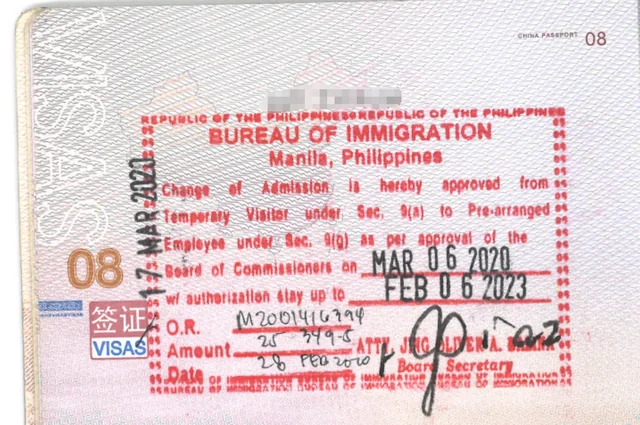
Foreign nationals hired by Philippine companies may need a 9(g) Pre-Arranged Employment Visa. This visa allows eligible foreign workers to take up lawful employment with a Philippine-based employer.
The 9(g) application is separate from the e-Visa process. The BI handles the immigration application, while DOLE handles the AEP for foreign workers who need one. The employer normally acts as the petitioning company.
The BI FAQ states that processing of a commercial 9(g) visa usually takes around 40 days, depending on the number of applicants and whether the submitted documents are complete. This is a general estimate, not a guaranteed completion date.
The actual time may be longer if the application needs more documents, further review, or other action from the applicant or employer.
What Happens During the 9(g) Application?
The 9(g) process has several steps. Each one must be completed before the applicant can receive the proper immigration status.
The process usually includes:
The process usually includes:
- Employer preparation: The Philippine company prepares the job documents and helps the foreign worker with the application.
- Labor approval: The employer gets the required Alien Employment Permit (AEP) or confirms if the worker is exempt from this requirement.
- BI application: The employer or an authorized representative submits the 9(g) visa application and supporting documents to the BI.
- Payment and review: The employer or applicant pays the required fees. The BI then checks the application and documents.
- Hearing or other steps: The applicant attends a hearing or completes other requirements if asked by the BI.
- Approval and visa release: Once approved, the applicant follows the BI’s instructions to complete the visa process and any required registration.
The BI may require additional steps based on the application. Applicants should follow the current checklist and instructions rather than relying on an old process description.
How Does the Alien Employment Permit Affect Processing Time?
The AEP is an important part of the work authorization process for covered foreign nationals. It is issued by DOLE and is separate from the 9(g) visa issued by the BI.
A foreign worker may need the AEP before the BI can complete the 9(g) application. This means the employer should include the labor permit process when planning the employee’s start date.
Employers should use the current Central Office procedures and check the latest requirements before filing.
How Long Does AEP Processing Take?
DOLE’s earlier 2025 advisory for its regional offices referred to a 15-working-day process cycle for AEP issuance, counted from receipt of payment. The period covered document review, evaluation, approval, and preparation of the permit.
The safest approach is to ask DOLE for the current processing estimate when filing. Complete and correct documents can also help prevent avoidable delays.
What Can Delay a Philippine Visa Application?
Even when a government office publishes a processing estimate, an application may take longer. Some delays happen because of missing documents, while others are caused by additional checks or a high number of applications.
Incomplete or Incorrect Documents
Missing documents can delay an application. Mistakes in names, passport numbers, dates, or job details may also cause the reviewing office to ask for more information.
Before submitting your application, make sure that:
- The passport details match the application form.
- Employment documents contain consistent information.
- Required company records are included.
- Documents are signed and certified when needed.
- Translations or authentication are completed when required.
Additional Review by Government Offices
Some applications may need extra checks before they are approved. The BI or DOLE may ask for more documents or details about the worker’s job, employer, or qualifications.
Applicants should respond as soon as possible and follow the instructions given by the government office. Delayed replies can add more time to the process.
High Application Volume
The number of applications being handled can affect processing time. The BI itself notes that the usual 9(g) processing period depends partly on the volume of applicants.
Applicants should avoid making travel or employment plans based only on the shortest possible estimate.
Changes in Employment Details
A change in the employer, job title, or work arrangement may affect the required permit and visa documents. An existing AEP or 9(g) visa should not be assumed to cover a new employer or position automatically.
The employer should check with DOLE and the BI before making changes to the employment arrangement.
How Can You Avoid Delays in Your Visa Application?
Applicants and employers can take practical steps to make the process easier. While no one can guarantee approval or a specific completion date, good preparation can reduce common problems.
- Identify the correct visa type.
Check whether you need an e-Visa, a 9(g) work visa, or another visa category. Applying under the wrong category can lead to wasted time and extra costs. - Review the latest checklist.
Check the official BI, DOLE, or e-Visa website for the latest requirements. Do not rely only on old articles or checklists from unofficial sources. - Prepare documents early.
Give yourself enough time to collect company records, employment papers, passport copies, and other required documents. - Check every detail.
Review names, dates, passport numbers, job titles, and company information before submitting the application. - Reply to requests quickly.
If a government office asks for more details or documents, follow its instructions and send what is needed as soon as you can. - Keep proof of filing and payment.
Save copies of application forms, official receipts, emails, and notices. These records can help when checking the status of your application. - Give extra time before travel or work.
Do not book non-refundable travel or set a firm work start date based only on an estimated processing period. Wait for the proper approval and authorization.
Can You Work While Your 9(g) Application Is Pending?
A pending 9(g) application does not automatically give a foreign national permission to work. Applicants must have the proper authorization before starting employment in the Philippines.
The BI has a separate Provisional Work Permit (PWP) for eligible foreign nationals while their 9(g) application is pending. The PWP is a separate application with its own requirements and approval process.
Applicants should not assume that every 9(g) applicant automatically qualifies for a PWP. The employer and foreign worker should check the current BI requirements and obtain the permit before the employee begins work.
This is important because working without the required authorization can create immigration and labor compliance problems for both the foreign worker and the employer.
How Can You Check Your Visa Application Status?
Checking your application status helps you know whether the government office has made a decision or needs more information. The correct way to check depends on the type of visa.
For an e-Visa, applicants can log in to their registered account and use the Application Status feature. They should also check the email address linked to the application.
For a 9(g) application, follow the BI’s instructions for checking the status of the application. The BI’s 9(g) procedure directs applicants to check its website for approval updates. If the status is unclear, contact the BI or the authorized office handling the application.
When asking for an update, prepare the following information:
- Applicant’s full name.
- Passport details, when requested through an official channel.
- Application reference or receipt number.
- Date of filing.
- Type of visa application.
Use official contact channels and avoid sharing passport details or personal documents with unverified individuals.
Key Takeaways
Knowing how long visa processing may take can help foreign workers and employers plan their next steps in the Philippines. However, the waiting time depends on the type of visa, the documents submitted, and the government office handling the application. The e-Visa and 9(g) work visa have different steps and processing times, so it is important not to treat them as the same.
To avoid delays, check the latest requirements and prepare all the needed documents. If a government office asks for more information, respond as soon as possible. If you need help with a 9(g) visa or work permit, Work Visa Philippines can guide you through the process and explain what your application needs.
Get Help With Your Philippine Work Visa Application
Understanding the visa processing time is an important part of planning a move or starting a job in the Philippines. The e-Visa system has its own published timelines, while a 9(g) work visa follows a separate process involving the BI and, when required, DOLE. Applicants should not use one visa category’s processing estimate for another.
Work Visa Philippines can help foreign workers and employers understand the requirements for a 9(g) visa, prepare supporting documents, and review the steps involved in the application. Getting guidance early can help you avoid common filing mistakes and plan your employment start date more carefully. Contact us today for an initial consultation:
- Contact Us Here
- Fill Out the Form Below
- Call us at +63 (02) 8540-9623