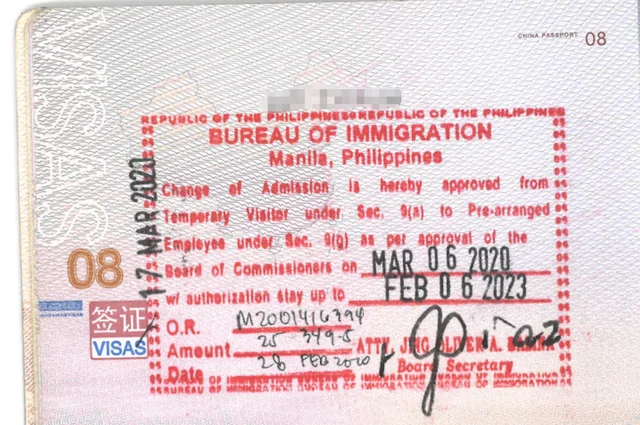
The 9G visa benefits make the Philippines’ pre-arranged employment visa one of the most practical immigration options for foreign nationals who will be working for a Philippine company. For employers, it creates a lawful way to hire specialized foreign talent; for employees, it provides legal work authorization, residence, and travel flexibility tied to a real employment contract.
The 9G visa matters because it sits at the center of long-term foreign employment. It is not just a visa stamp. It is the immigration route that connects labor compliance, employer sponsorship, and lawful stay in one framework.
What The 9G Visa Is
The 9G visa, also called the Pre-Arranged Employment Visa, is the standard work visa for foreign nationals employed by a Philippine company. It is issued through the Bureau of Immigration and is tied to a genuine employer-employee relationship, meaning the foreign worker must be sponsored by a Philippine-based employer or another qualifying petitioning entity.
This visa is “pre-arranged” because the job offer must already exist before the visa is granted. The foreign national does not apply for it alone. The employer files the petition and supports the process from the beginning.
Legal Basis
The 9G visa exists under the Philippine immigration system as the work-based non-immigrant route for foreign employees. It is commonly used by foreign nationals who will take executive, managerial, technical, or specialized roles in a Philippine company.
The Bureau of Immigration recognizes the 9G visa as the work authorization that lets a foreign employee live and work in the Philippines for the approved period. In practice, it is the main visa used when a local employer needs to bring in a foreign professional for a legitimate business purpose.
Main 9G Visa Benefits
The biggest reason companies choose the 9G route is that it gives the foreign employee the right to work legally in the Philippines. Without this visa, a foreign national may not be authorized to perform employment duties, even if there is a job offer.
Other major benefits include:
- Legal stay and work in the Philippines for the visa period.
- Multiple entry and exit privileges while the visa is valid.
- Validity that matches the employment contract, often for one to three years.
- Dependents may be eligible to join the principal visa holder.
- A clearer long-term structure than short-stay or tourist-based arrangements.
These benefits make the 9G visa the preferred solution for formal foreign employment.
Legal Work And Residence
One of the most important 9G visa benefits is that it authorizes both work and stay. The foreign employee can live in the Philippines and perform job duties lawfully for the duration approved by immigration.
This matters because many foreign professionals do not just need permission to enter the country. They need a status that supports day-to-day employment, payroll, and residency while they are assigned to a Philippine company. The 9G visa gives them that foundation.
Multiple Entry And Exit
Another key benefit is multiple-entry flexibility. A 9G visa holder can leave and re-enter the Philippines while the visa remains valid, without having to start over each time.
This is especially useful for regional executives, technical specialists, and business managers who may need to travel for meetings, project work, or family obligations. Instead of treating every trip as a new immigration event, the visa supports ongoing mobility during the employment term.
Validity That Matches The Contract
The 9G visa is generally approved for one to three years, depending on the employment contract and the circumstances of the petition. That alignment is one of its practical strengths.
Because the visa term is connected to the contract, employers and employees get more predictability. The employee can plan work and residence around the assignment, while the employer can build the visa timeline into the staffing plan.
Family Inclusion
A further advantage is that the spouse and unmarried children under 21 may be able to join the principal 9G visa holder as dependents. This makes the visa more attractive for foreign professionals relocating with their families.
The dependent route helps preserve family unity during the foreign assignment. It also reduces the need for separate or improvised arrangements for relatives who will live in the Philippines during the employment period.
Suitable For Specialized Roles
The 9G visa is especially useful for foreign nationals filling roles that require specialized skills or experience. It is commonly used for executives, technical experts, senior managers, and other positions where the employer needs foreign expertise.
This is one of the reasons the visa is valuable to employers. It allows companies to lawfully bring in talent that is not readily available in the local labor market while staying within immigration and labor rules.
The AEP Comes First
Before the 9G visa can be filed, the employer usually needs an Alien Employment Permit, or AEP, from the Department of Labor and Employment. The AEP is the labor authorization that supports the visa petition.
This step is important because it shows that the role has been reviewed from a labor-market perspective. In simple terms, the 9G visa depends on the AEP, so the employment process begins with labor compliance before moving to immigration approval.
Why Employers Prefer The 9G Route
Employers often prefer the 9G visa because it creates a stable and formal structure for foreign hiring. It helps them avoid compliance risk and gives them a lawful way to keep a foreign employee on assignment for months or years.
For companies, the visa is also useful because it shows that the worker is properly sponsored and documented. That helps with payroll planning, internal audits, and overall immigration compliance.
Why Employees Prefer The 9G Route
Foreign employees like the 9G visa because it gives them a clear legal basis to work and remain in the country. It is also more secure than trying to operate under short-term visitor status or other temporary arrangements that do not match actual employment.
The visa also provides a better sense of permanence. If the contract is renewed and the employer continues sponsorship, the visa can often be extended in line with the continued assignment.
Documents Commonly Needed
While the exact checklist depends on the case, the 9G process usually requires:
- A job offer or employment contract.
- Passport copy and latest admission details.
- Company registration documents.
- DOLE-issued Alien Employment Permit.
- BI forms and supporting letters.
- Medical certificate.
- Clearance and other supporting immigration documents.
- Dependent documents, if family members are included.
The documents must be consistent and accurate. The job title, salary, and employer details should match across the labor and immigration filings.
Processing Time
The full 9G process usually takes time because it involves more than one government agency. The employer must first obtain the AEP, and then the Bureau of Immigration must review the visa petition.
Because of this, employers should plan early. Foreign hires should not assume they can start working immediately just because the employment contract is signed. The timeline should be built into the onboarding schedule.
Provisional Work Permit
In some cases, a Provisional Work Permit may be available while the 9G visa is being processed. This is useful when the employee needs to begin work before final visa approval.
The PWP is temporary and limited, but it can be a helpful bridge. It helps employers avoid delays in project timelines while the immigration case is still moving through the system.
What Happens If The Employee Changes Jobs
The 9G visa is employer-specific. It is tied to the sponsoring company and the approved position, so it does not simply transfer to a new employer.
If the employee leaves the company, the visa usually needs to be downgraded or otherwise adjusted before a new employer can file a fresh petition. That is why employers and workers should treat the 9G as a company-specific work status, not a general work authorization.
Common Misunderstandings
A common mistake is thinking that the 9G visa is only an immigration formality. In reality, it is tied to a labor permit, a specific company, and a defined role.
Another misunderstanding is assuming that a foreign worker can change employers without updating the visa. That is not how the 9G system works. The visa is linked to the petitioning employer, so changes in employment status can affect the visa.
Final Thoughts
The 9G visa remains the most important work visa for foreign nationals employed in the Philippines because it combines lawful work authorization, residence, travel flexibility, and family inclusion in one structure. Its benefits are strongest when the employer and employee plan early and manage the AEP and visa process properly.
For foreign professionals and Philippine employers, the 9G visa is often the most reliable and compliant route for long-term foreign employment. Work Visa Philippines helps make that process clearer, faster, and more manageable from the start.
How Work Visa Philippines Can Help
For Work Visa Philippines, the 9G visa benefits are central to helping foreign workers and Philippine employers build lawful employment arrangements. The visa offers a practical path for foreign specialists who need to live and work in the country while remaining compliant.
It also helps companies reduce hiring risk. When the work permit and visa are handled correctly, the employer can focus on operations instead of worrying about immigration problems later. Contact us today for an initial consultation:
- Contact Us Here
- Fill Out the Form Below
- Call us at +63 (02) 8540-9623