The 9G visa employer requirements are important because the Philippine employer usually acts as the petitioner for the foreign worker’s Pre-Arranged Employment Visa. The company must provide documents about its legal registration, business operations, tax records, and the employee’s position. It must also coordinate with the DOLE when an Alien Employment Permit (AEP) is required.
Hiring a foreign worker in the Philippines is more than just preparing an employment contract. The company must show that it is legally operating, explain why it needs to hire a foreign worker, and complete the required labor and immigration processes.
The BI handles the 9(g) visa, while the DOLE handles the AEP and related labor rules. Approval from one agency does not automatically mean the company has completed the requirements of the other.
What Is the 9G Visa and Why Does the Employer Matter?
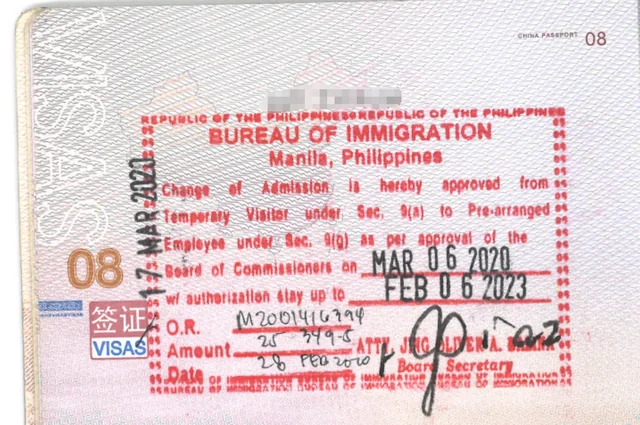
The 9(g) Pre-Arranged Employment Visa is a non-immigrant visa for foreign nationals who will enter or stay in the Philippines to work under an approved employment arrangement. It is commonly used by companies that hire foreign professionals, managers, technical workers, and other qualified employees.
The employer plays a central role because the visa is based on pre-arranged employment. The BI also requires information about the petitioning company and its workforce.
A foreign national cannot simply apply for a 9(g) visa without a real employment arrangement. The employer must be prepared to support the application and confirm that the job is genuine.
The 9(g) visa is also tied to the approved employment arrangement. A foreign worker should not assume that the visa allows them to move freely between employers or take another job without further approval.
What Are the Main 9G Visa Employer Requirements?
Employers should prepare company records before filing the visa petition. These documents help the BI confirm that the petitioner is a registered business and that the foreign employee has a valid position in the company.
Common employer documents include the following:
- Joint letter request
The employer and foreign employee generally submit a joint letter request addressed to the BI Commissioner. This letter supports the visa petition and identifies the parties involved.
It should clearly state the foreign worker’s intended position and the reason for the application. The information should match the employment contract and other supporting documents.
- Employment contract or appointment document
The company should provide a copy of the employment contract, appointment, assignment, or equivalent document. It should explain the actual work arrangement.
The document should contain important details such as:
- The employee’s exact position or job title.
- The employee’s compensation.
- The duration of employment.
- The nature and scope of the job.
- The duties and responsibilities of the foreign worker.
Avoid using a vague job description. The company should explain what the employee will actually do and why the position requires the person’s skills or experience.
- Latest Income Tax Return and proof of payment
For commercial 9(g) applications, the BI checklist requires the petitioner’s latest Income Tax Return (ITR), along with proof of payment when required.
This requirement helps show the company’s tax and business records. Employers should prepare the correct filing and payment evidence and check whether the BI requires additional tax documents for their case.
- Business registration documents
The required documents depend on the company’s legal structure.
For corporations and partnerships, the Bureau of Immigration (BI) commonly asks for:
- SEC Certificate of Registration.
- Articles of Incorporation or Articles of Partnership, depending on the type of business.
- Current General Information Sheet (GIS) stamped and received by the SEC.
For sole proprietorships, the documents commonly include:
- DTI Certificate of Business Name Registration.
- Mayor’s Permit or applicable local business permit.
Companies should make sure that the names, addresses, and business details in these records are consistent. If the company has changed its name, address, officers, or business structure, it should check whether updated records are needed.
- Notarized certification of foreign and Filipino employees
The BI checklist also calls for a notarized certification stating the number of foreign and Filipino employees in the petitioning company.
Employers should prepare accurate workforce information. The figures should agree with the company’s available employment records and should not be based on estimates.
- Publication or proof related to the AEP
The BI’s document checklist has included a copy of the published approved AEP or a certificate from the publisher confirming that the notice was published, when required.
The BI’s official 9(g) page and current application checklist should be reviewed before filing.
Does the Employer Need to Secure an Alien Employment Permit?
The AEP is a labor permit issued by DOLE. It is separate from the 9(g) visa issued by the BI.
Under DOLE Department Order No. 248, Series of 2025, employers generally need to secure an AEP before a foreign national begins gainful employment in the Philippines, unless the worker falls under an applicable exemption or exclusion.
This means the employer must first check the foreign worker’s position and legal circumstances. Not every foreign national follows the same permit process.
The AEP rules also include a labor market test. In covered cases, the employer must publish the vacant position and the name of the foreign national it intends to hire. The purpose is to give qualified Filipino workers an opportunity to apply.
DOLE Department Order No. 248-A, Series of 2025, clarified parts of the publication rules and other AEP requirements. Employers should use the applicable amended rules instead of relying only on the original 2025 order.
There is also a recent update. DOLE announced Department Order No. 248-C, Series of 2026, which simplifies parts of the AEP filing process and removes certain documents from the application checklist. However, the removal of a document from the filing checklist does not remove the employer’s duty to follow the law that requires the related permit, license, or approval.
For this reason, employers should confirm the current AEP requirements before preparing the employee’s 9(g) application.
What Documents Should the Foreign Employee Prepare?
The company is responsible for its own supporting records, but the foreign employee must also provide personal documents. These help the BI verify the applicant’s identity, immigration status, and eligibility for the visa.
Common documents for the foreign employee include:
- Completed Consolidated General Application Form (CGAF) for a non-immigrant visa.
- Copy of the passport bio-data page.
- Copy of the latest Philippine admission stamp or relevant immigration record.
- Proof of valid authorized stay in the Philippines, where applicable.
- Copy of the AEP or relevant DOLE document, if required.
- BI Clearance Certificate, when required by the applicable checklist.
- Other supporting documents requested by the BI.
Some foreign nationals may also need a professional permit or clearance before they can perform certain regulated work. For example, a foreign professional who will practice a regulated profession may need to meet Professional Regulation Commission (PRC) requirements.
The employer should check this issue before assigning duties to the employee. A 9(g) visa does not replace a professional license or other approval required by law.
What Are the Employer’s Responsibilities During the 9G Visa Application?
Preparing documents is only one part of the employer’s role. The company should also manage the application, coordinate with the foreign employee, and make sure that the employment arrangement remains consistent with the approved documents.
The following steps can help the employer manage the process.
- Confirm the need for a foreign employee
Before making an offer, the company should identify the position and the skills needed. It should also check whether the job is covered by professional licensing rules or special industry requirements.
- Review the AEP classification
The employer should determine whether the employee needs an AEP or may qualify for an exemption or exclusion. This should be checked under the latest DOLE rules.
- Prepare the employment documents
The employment contract should clearly describe the job, compensation, and employment period. The employer should make sure that the contract matches the information used in the AEP and 9(g) applications.
- Gather Company Records
Collect the company’s registration papers, tax documents, workforce certification, and other records required by the BI. Make sure all documents are up to date and easy to read.
- Submit the Required Applications
The company should coordinate with DOLE and the BI to follow the correct application process. Use the latest official forms and follow the agencies’ filing instructions.
- Respond to Government Requests
The BI or DOLE may ask for more information or additional documents. The employer should submit the requested items within the deadline and keep copies of everything filed.
- Confirm Approval Before Work Begins
The company must make sure the foreign employee has the required work authorization before allowing them to start working. If the employee needs permission to work while the 9(g) visa application is being processed, the employer should look into getting a PWP.
What Should Employers Know About the 9G Visa Application Process?
The application usually involves preparing the employer’s and employee’s documents, filing the application with the BI, paying the required fees, and completing any necessary appearances or biometric steps.
The BI’s process for a 9(g) visa application includes checking the documents before accepting the application and submitting the required form. The applicant may also need to attend a hearing, have their photo and fingerprints taken, and submit their passport for visa issuance after approval.
The steps may vary depending on the type of application and the BI office handling it. Employers should follow the instructions for their specific case instead of assuming that all applications follow the same schedule.
What Happens if the Foreign Employee Changes Jobs or Leaves the Company?
The 9(g) visa is connected to the employment arrangement approved by the BI. A foreign worker should not assume that the visa remains valid for a new employer simply because the visa has not reached its printed expiration date.
If the employee resigns, is dismissed, or moves to another company, the employer and employee should check the required immigration steps.
The former employer should also review its responsibilities for notifying the relevant government offices and keeping employment records.
A new employer should not allow the foreign national to start work based only on the existing 9(g) visa. The new company must check whether a new AEP or other DOLE approval is required and whether a new 9(g) petition must be filed.
This is especially important when the employee changes job title, work location, or duties. The company should confirm whether the change affects the existing labor and immigration approvals.
Key Takeaways
The 9G visa employer requirements cover both company documents and the foreign worker’s employment arrangement. Philippine employers generally need to provide business registration records, tax documents, an employment contract, workforce information, and other papers required by the Bureau of Immigration.
A company that prepares early, checks the correct permit requirements, and keeps its records consistent can reduce avoidable problems during the application. Most importantly, it should confirm that the foreign employee has the required work authorization before allowing the person to begin employment.
Is Assistance Available?
Work Visa Philippines helps foreign nationals and Philippine companies understand and manage work visa applications. Employers who plan to hire foreign professionals can seek assistance with document preparation, application requirements, and coordination with the relevant government agencies.
Getting the correct visa and work permit requirements in place helps protect the company and its foreign employees from avoidable compliance issues.
Contact us today to schedule a consultation:
- Contact Us Here
- Fill Out the Form Below
- Call us at +63 (02) 8540-9623