Starting a foreign business in the Philippines can give foreign investors access to a growing market, local workers, and business opportunities in different industries. Philippine law allows foreign nationals to own many types of businesses, including companies that are fully foreign-owned. However, some industries still have limits on foreign ownership, and certain businesses must meet minimum capital requirements.
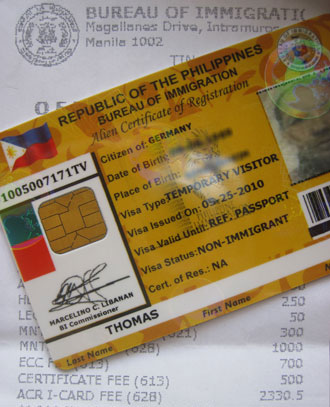
Foreign investors must also understand that owning a company does not automatically give them the right to work in it. A foreign national may be allowed to invest in a Philippine company but may still need a work visa and labor permit before taking an active role in the business.
Can a Foreigner Own a Business in the Philippines?
Foreign nationals can own businesses in the Philippines, but the allowed ownership percentage depends on the type of business and the laws that apply to its activities.
Under the Foreign Investments Act of 1991, as amended, foreign investors may generally own up to 100% of a Philippine enterprise unless the Constitution, a special law, or the Foreign Investment Negative List sets a limit. This means that a Filipino business partner is not required for every foreign-owned company.
However, investors must check the rules for their exact industry before registering. A company that provides software services may face different ownership rules from one that operates a retail store, manages a public utility, or uses natural resources.
The Philippines issued the 13th Regular Foreign Investment Negative List through Executive Order No. 113 in April 2026. It became effective on May 2, 2026, replacing the previous list. This is an important update because investors should use the current list instead of relying on older articles or guides.
Before investing, foreign nationals should:
- Identify the exact business activities the company will perform.
- Check whether those activities appear in the current Negative List.
- Confirm the maximum foreign ownership allowed.
- Review minimum capital and licensing requirements.
- Check whether special permits or government approvals apply.
A business name alone is not enough to determine the ownership limit. The actual services, products, and operations matter.
What Laws Control Foreign Business Ownership in the Philippines?
Foreign investment in the Philippines is governed by several laws. These rules set the limits on foreign ownership and explain how foreign investors can register and operate a company.
The main laws include:
- The 1987 Philippine Constitution
The Constitution reserves certain activities and assets for Filipinos or companies that meet specific Filipino ownership requirements. These include areas such as mass media, some public utilities, and the ownership of private land.
- The Foreign Investments Act of 1991
Republic Act No. 7042, as amended by Republic Act No. 11647, provides the general rules for foreign investment. It allows foreign participation in many business activities, subject to the Constitution, special laws, and the Foreign Investment Negative List.
- The Foreign Investment Negative List
The Negative List shows which business activities are off-limits to foreign investors or have limits on foreign ownership. The latest version is the 13th Regular Foreign Investment Negative List, issued under Executive Order No. 113 in 2026.
- The Retail Trade Liberalization Act
Republic Act No. 8762, as amended by Republic Act No. 11595, sets the rules for foreign-owned retail businesses in the Philippines. It also requires foreign retailers to meet a minimum paid-up capital amount.
- The Public Service Act
Commonwealth Act No. 146, as amended by Republic Act No. 11659, identifies the activities that are considered public utilities. This is important because some public utilities must still meet Filipino ownership requirements.
These laws should be reviewed together. A business may be open to foreign investors under the Foreign Investments Act but still need to follow a separate law that applies to its industry.
Which Businesses Allow 100% Foreign Ownership?
Many business activities are open to full foreign ownership. This gives foreign investors the option to establish a Philippine company without giving shares to Filipino partners, provided that the business meets the applicable capital and registration rules.
Examples may include certain export businesses, technology companies, business support services, and other activities that are not restricted by law. However, the investor must check the exact business activity rather than assume that an entire industry has no restrictions.
For example, a foreign investor who plans to operate a call center serving clients abroad may be able to establish a fully foreign-owned company. An investor who plans to open a retail business must consider the separate rules under the Retail Trade Liberalization Act.
The Foreign Investments Act also has a special rule for export businesses. A company that exports at least 60% of its products or services may qualify as an export enterprise, as long as it meets the legal requirements and completes the required registration.
Foreign investors should clearly explain the type of business they plan to operate. This helps government agencies decide whether the business can be fully foreign-owned or if it falls under activities with foreign ownership limits.
What Are the Minimum Capital Requirements for Foreign Investors?
Minimum capital is one of the main issues foreign investors must review before setting up a Philippine company. The amount depends on the business activity, ownership structure, and whether the company will serve the local market or export its products and services.
Under the Foreign Investments Act, micro and small domestic market enterprises with paid-in equity capital below US$200,000 are generally reserved for Philippine nationals, subject to the exceptions in the law.
A foreign investor may qualify for the lower US$100,000 minimum if the enterprise meets at least one of the following conditions:
- It uses advanced technology, as determined by the Department of Science and Technology.
- It is endorsed as a startup or startup enabler under the Innovative Startup Act.
- It employs a majority of Filipino direct employees, with at least 15 Filipino employees.
The investor must meet the legal conditions and submit the required supporting documents. Simply stating that the company will use technology or hire Filipino workers does not automatically qualify it for the lower capital amount.
Retail businesses have a separate rule. Under the Retail Trade Liberalization Act, a foreign retailer generally needs at least PHP25 million in paid-up capital. The law also sets a minimum investment of PHP10 million per store.
These amounts should not be treated as one general capital rule for every foreign-owned company. Investors must first identify the type of business and the law that applies to it.
Which Industries Have Foreign Ownership Restrictions?
Some business activities remain restricted because of national security, public interest, constitutional rules, or the protection of certain local industries.
The 13th Regular Foreign Investment Negative List contains activities that are closed to foreign investors and subject to ownership limits. Examples include:
- Mass media: Foreign ownership is generally prohibited, subject to specific exceptions under the law.
- Corporate practice of architecture: The current Negative List includes restrictions on the corporate practice of this profession.
- Cooperatives: These are generally reserved for Filipinos, subject to stated exceptions.
- Private security agencies: Foreign ownership is restricted under the applicable law.
- Small-scale mining: This activity is reserved under the relevant mining law.
- Certain natural resource activities: Foreign participation is subject to constitutional and legal limits, with specific exceptions such as renewable energy.
- Public utilities: These remain subject to Filipino ownership requirements.
- Advertising and other regulated activities: Foreign participation may be limited under applicable laws and the current Negative List.
This list is not a complete guide to every restricted activity. Some industries have separate rules that are not explained by the general foreign investment law.
Foreign investors should also check the rules for public utilities. The amended Public Service Act reduced the number of businesses classified as public utilities, but some foreign ownership limits still apply. These include electricity transmission and distribution, water distribution, seaports, and public utility vehicles.
A legal review of the planned business activities can help investors avoid choosing an ownership structure that does not meet the law.
What Business Structure Can a Foreign Investor Use?
Foreign nationals have several options when setting up a business in the Philippines. The right structure depends on whether they want to create a separate Philippine company or operate through an existing foreign corporation.
- Domestic corporation
A domestic corporation is registered in the Philippines with the Securities and Exchange Commission (SEC). It may be fully foreign-owned if the business activity allows it.
This structure creates a Philippine legal entity separate from its shareholders. It is often suitable for foreign investors who want to build a local business, hire employees, sign contracts, and operate under a Philippine company name.
- Branch office
A branch office is an extension of a foreign corporation. It can conduct activities allowed under its SEC license, but it is not a separate legal entity from its foreign parent company.
The foreign parent remains responsible for the branch’s obligations. A branch office may suit a company that already operates abroad and wants to expand into the Philippines.
- Representative office
A representative office is also connected to a foreign parent company. Its activities are limited and generally include information sharing, promotion, and coordination with clients or business partners.
It cannot earn income from its Philippine operations. Its expenses must be supported by inward remittances from the foreign parent.
- Regional or area headquarters and regional operating headquarters
Some foreign companies may set up a Philippine regional headquarters or regional operating headquarters, as allowed by law. Each type has its own purpose and requirements. Investors should check if their planned business activities meet the rules.
Choosing a business structure affects how the company is registered, taxed, and managed. It also determines its reporting duties, legal responsibilities, and the activities it can carry out in the Philippines. Investors should choose a structure that fits their actual business plans, not just one that seems easier to register.
Does Owning a Philippine Business Allow a Foreigner to Work in It?
Owning shares in a Philippine company does not automatically give a foreign national the right to work in the country. This is one of the most important points foreign investors must understand.
A foreign national may be a shareholder without taking part in the company’s daily operations. However, if the person will manage employees, oversee business activities, perform professional duties, or work in an executive position, the proper immigration and labor requirements may apply.
For example, a foreign investor may own all the shares of a company but appoint qualified managers to handle its daily operations. If the investor later decides to become the company’s general manager and actively run the business, the investor must check the work authorization requirements.
The right to own a company and the right to work in the Philippines are separate legal matters. A business registration certificate does not replace a work visa.
What Work Visa Does a Foreign Business Owner Need?
Foreign business owners who plan to work in their Philippine company may need a proper work visa.
The 9(g) Pre-Arranged Employment Visa is used by foreign nationals who have a job offer or employment arrangement with a Philippine company. The company serves as the petitioner and files the required documents with the BI.
The application may involve documents such as:
- The company’s SEC registration and other corporate records.
- The foreign national’s passport and immigration records.
- The employment contract or appointment documents.
- Proof of the person’s position and duties.
- Other documents required by the Bureau of Immigration.
DOLE requirements must also be reviewed. Depending on the person’s position and circumstances, the foreign national may need an Alien Employment Permit (AEP) or may qualify for an exemption or exclusion.
An AEP and a 9(g) visa have different roles. The AEP gives a foreign national permission to work under Philippine labor rules. The 9(g) visa allows the person to stay in the Philippines for a pre-arranged job.
Can a Foreign-Owned Company Hire Other Foreign Employees?
A foreign-owned Philippine company may hire foreign workers when the position and employment arrangement meet Philippine laws. The company’s foreign ownership does not remove its duties as an employer.
Before hiring a foreign employee, the company should check whether the worker needs an AEP, whether an exemption or exclusion applies, and which immigration visa is appropriate.
The employer should also prepare the required employment and company documents. These records may be reviewed by DOLE and the Bureau of Immigration during the application process or later compliance checks.
Companies that employ foreign nationals should also review their obligations under the Labor Code and other relevant rules.
If a foreign-owned company receives fiscal incentives and employs foreign nationals, it may also have to implement an understudy or skills development program to help transfer technology or skills to Filipino employees, as required by the Foreign Investments Act.
Employers should review these duties before hiring so they can plan the correct process and avoid delays.
What Should Foreign Investors Prepare Before Starting a Business?
Planning before registration can prevent ownership, immigration, and compliance problems. Foreign investors should review both the business requirements and their personal plans for working in the Philippines.
A practical way to prepare is to:
- Create a clear business plan. Describe the products or services, target customers, daily operations, and planned business location.
- Check the rules on foreign ownership. Review the 13th Regular Foreign Investment Negative List and any special laws that may apply to the business.
- Confirm the capital requirement. Check whether the business is a domestic market enterprise, export enterprise, retail business, or another regulated activity.
- Choose the right business structure. Compare a domestic corporation, branch office, representative office, or other suitable structure.
- Prepare the registration documents. Identify the SEC, local government, tax, and industry-specific requirements.
- Review the owner’s immigration status. If the foreign investor will work in the business, check the appropriate visa and DOLE requirements.
- Plan for ongoing compliance. Keep corporate, tax, employment, and immigration records updated.
Investors should also consider whether the company will own or lease property. Foreign nationals generally cannot own private land in the Philippines, subject to limited constitutional exceptions. A company should not assume that registering a Philippine corporation allows it to own land if its foreign ownership does not meet the legal requirements.
Final Thoughts
Foreigners can start businesses in many industries in the Philippines, and some businesses may be fully foreign-owned. However, the amount of ownership allowed depends on the type of business, capital requirements, and laws that apply to the industry.
Before investing, foreign investors should check the 13th Regular Foreign Investment Negative List, which took effect in May 2026, to see if there are any ownership limits.
Most importantly, business ownership does not automatically give a foreign national permission to work in the company. Owners who plan to manage operations or perform work in the Philippines must review the correct work visa and DOLE permit requirements.
Planning these matters together can help foreign investors establish a business while meeting Philippine corporate, labor, and immigration rules.
Is Assistance Available?
Work Visa Philippines assists foreign business owners and companies with Philippine work visa applications and related immigration requirements. Whether you are setting up a company, taking an active role in an existing business, or hiring foreign employees, it is important to identify the correct visa and work permit requirements before starting operations.
Contact us today for a consultation:
- Contact Us Here
- Fill Out the Form Below
- Call us at +63 (02) 8540-9623