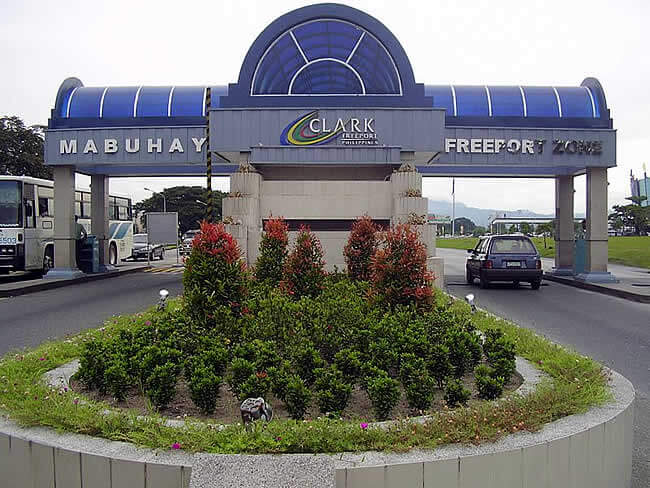
The Subic Bay Freeport Zone (SBFZ) and Clark Freeport and Special Economic Zone (Clark SEZ) are among the Philippines’ most dynamic hubs for foreign‑invested manufacturing, logistics, aviation, and business‑process outsourcing. To attract and retain global talent, the government has created a special Subic‑Clark visa system that offers streamlined work permits, investor‑friendly residence, and family‑support options inside the economic zones.
Understanding the Subic-Clark Visa System
The Subic‑Clark visa system is a unified, interagency framework implemented under Joint Memorandum Order No. 01‑2009 (JMO 01‑2009), which brings together the Department of Labor and Employment (DOLE), the Subic Bay Metropolitan Authority (SBMA), the Clark Development Corporation (CDC), and the Bureau of Immigration (BI). This system replaces the standard national‑level work visa processes for foreign nationals employed inside the Subic and Clark freeport zones, offering a single‑window, Subic-Clark-specific visa, work permit, and immigration clearance process.
For foreign employees, the Subic‑Clark visa system provides:
- Expedited Subic‑Clark Working Visa (SCWV) issuance for eligible foreign professionals.
- Investor‑focused Subic‑Clark Investor’s Visa (SCIV) for long‑term residence tied to qualifying capital.
- Subic‑Clark Dependent’s Visa (SCDV) for spouses and children of SCWV and SCIV holders.
Visa processing is centralized at the BI One‑Stop Shop (OSS) in Subic and Clark, allowing employers and employees to file applications, undergo biometrics, and obtain multiple‑entry visas in a single trip. The Subic‑Clark system also grants multiple‑entry privileges and exempts SCWV and SCIV holders from certain national‑level exit‑clearance requirements, making cross‑border travel more convenient.
Subic-Clark Working Visa (SCWV): Who Qualifies?
The Subic‑Clark Working Visa (SCWV) is the primary work‑based visa for foreign nationals employed inside the Subic Bay Freeport Zone or Clark Freeport and Special Economic Zone. The SCWV is designed for foreign employees whose skills are certified as “specialized” or not readily available in the local labor market, and who are employed by a duly accredited locator within the freeport.
Key eligibility criteria include:
- Holding a valid Alien Employment Permit (AEP) issued by DOLE, tailored to the Subic‑Clark freeport context (often referred to as a Subic‑Clark Work Permit or Special Work Permit).
- Employment with a registered economic‑zone locator (e.g., a company operating in Subic or Clark with a valid PTO or CRTE issued by SBMA or CDC).
- Possession of a valid passport and current tourist or visitor visa status when entering the Philippines.
The SCWV is typically valid for two (2) years and is renewable, subject to the validity of the underlying AEP and the continuation of the locator’s business operations in the freeport.
Subic-Clark Investor’s Visa (SCIV): Residency for Foreign Investors
The Subic‑Clark Investor’s Visa (SCIV) is a special residence visa available to foreign nationals who have made a minimum qualifying investment within the Subic or Clark freeport zones. The SCIV is governed by SBMA or CDC, in coordination with DOLE and BI, and it offers long‑term or indefinite residency inside the Subic‑Clark Economic Zone, along with multiple‑entry privileges and exemptions from some standard exit and re‑entry requirements.
Typical requirements for the SCIV include:
- Proof of an ongoing investment of at least USD 250,000 in the Subic or Clark economic zone, usually in the form of capital stock, land, or infrastructure development.
- A valid passport and current authorized stay in the Philippines (often a 9(a) tourist visa), obtained before the SCIV application.
- Payment of applicable fees and compliance with immigration and labor‑related documentation, including clearances and corporate‑support documents from the investing entity.
The SCIV can be issued for permanent or indefinite residency, provided the investment remains active, and the visa holder complies with renewal and reportorial requirements, making it attractive for foreign business owners, principal investors, or executives who wish to reside in the Philippines based on their Subic‑Clark‑linked capital.
Subic-Clark Dependent’s Visa (SCDV): For Spouses and Children
The Subic‑Clark Dependent’s Visa (SCDV) is designed for the spouse and children under 21 of individuals holding either an SCWV or SCIV in the Subic Bay Freeport or Clark Freeport zones. The SCDV allows dependents to reside inside the freeport, attend local schools, and accompany the principal visa‑holder without needing separate employment‑based visas.
Key features of the SCDV include:
- Validity matched to the principal visa: The SCDV is valid for the same period as the SCWV or SCIV and must be extended or renewed when the principal visa is renewed.
- Family‑unification focus: The SCDV is not a work visa for dependents; spouses and children must secure their own employment‑based or investor‑linked visas if they wish to work or invest in the Philippines.
- Documentation requirements: Applicants usually submit a duly completed SCDV application form, the principal’s valid SCWV or SCIV, and supporting documents such as marriage certificates, birth certificates, and proof of residence or schooling inside the freeport.
Using the SCDV helps expatriate families maintain a stable, long‑term stay inside the Subic‑Clark Economic Zone without violating standard Philippine immigration rules for dependents.
Subic-Clark Visa Application: Required Documents and Process
The Subic‑Clark visa system is intentionally streamlined, but applicants must still submit a complete set of documents to the BI One‑Stop Shop in Subic or Clark. For the SCWV, typical requirements include:
- A duly accomplished SCWV application form (often available online or at the OSS).
- A valid passport with at least six months’ validity, including the bio‑page, latest entry stamp, and updated visa or authorized stay.
- Proof of employment (e.g., contract of service, appointment letter) and the corresponding AEP or Subic‑Clark Work Permit issued by DOLE.
- Company‑support documents such as a Secretary’s Certificate, tax clearances, and, in some cases, the employer’s accreditation as a freeport locator (PTO or CRTE).
For the SCIV, the main addition is the investment evidence (e.g., inward remittance documents, proof of capital infusion, or deed of investment), while the SCDV requires family‑relationship documents like marriage and birth certificates, often authenticated by the Philippine embassy or consulate in the home country.
The processing workflow typically involves:
- Submission of the application at the BI OSS, followed by document verification.
- Biometric capture at the Alien Registration Division for the ACR I‑Card, usually required for foreign nationals aged 11 and above.
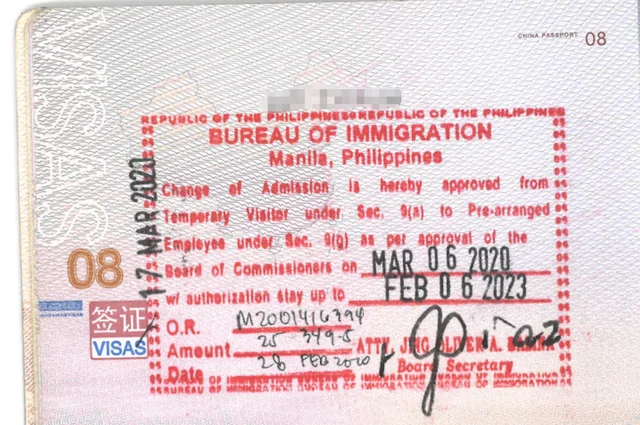
- Issuance of the Subic‑Clark visa sticker (SCWV, SCIV, or SCDV) in the passport, with multiple‑entry privileges for the designated freeport zone and the rest of the Philippines, where applicable.
Processing time can range from two weeks to over a month, depending on workload, completeness of documents, and the need for additional verification.
How the Subic-Clark Visa System Benefits Foreign Employers
The Subic‑Clark visa system provides several advantages for companies and foreign nationals operating in the two freeport zones:
- Faster work‑permit processing: The one‑stop‑shop model and coordinated DOLE/SBMA/CDC/BI procedures reduce the time needed to secure a working visa and AEP‑type clearance compared to the standard national‑level 9(g) visa process.
- Multiple‑entry privileges and travel convenience: SCWV and SCIV holders receive multiple‑entry visas with exemptions from certain exit‑clearance formalities, simplifying short‑term trips abroad.
- Focused geographic jurisdiction: The visas are tied to working in the Subic or Clark freeport, but most SCWV and SCIV holders can also travel freely elsewhere in the Philippines for tourism or business while maintaining Subic‑Clark‑linked sponsorship.
- Integrated compliance framework: The system ensures that labor, immigration, and economic‑zone regulations are applied consistently, reducing the risk of irregularities or overlapping requirements.
For HR and corporate managers, the Subic‑Clark visa system is a powerful tool for attracting high‑skilled foreign professionals and ensuring that visa and work‑permit compliance is tightly aligned with freeport‑locator status.
Final Thoughts
The Subic‑Clark visa system is a cornerstone of the Philippines’ strategy to make the Subic Bay Freeport and Clark Freeport attractive destinations for foreign‑owned businesses and expatriate professionals. With specialized Subic‑Clark Working Visas, Investor’s Visas, and Dependent Visas, the economic‑zone framework provides a clear, streamlined pathway for foreign nationals to live and work legally in one of the country’s most dynamic business regions.
Reach Out to Specialists
For foreign employers, the key to success lies in understanding who qualifies for each Subic‑Clark visa, preparing the correct documentation bundle, and ensuring alignment with the employer’s freeport‑locator status and DOLE‑issued work permits. Work Visa Philippines simplifies this process by managing the full Subic‑Clark visa lifecycle—from initial eligibility assessment to BI OSS submission and renewal planning.
Reach out to our experts today for assistance:
- Contact Us Here
- Fill Out the Form Below
- Call us at +63 (02) 8540-9623