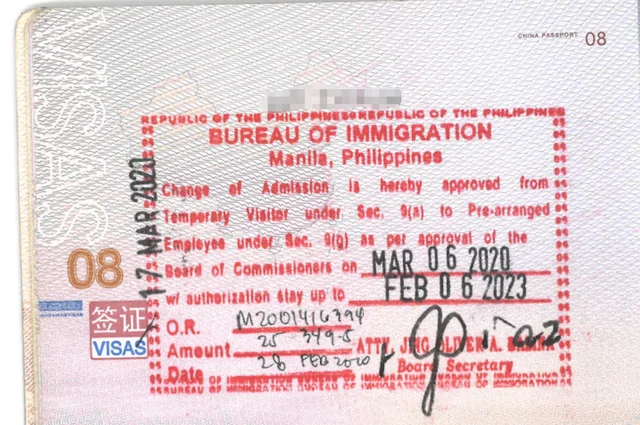
Foreign investment in the Philippines remains one of the most practical ways for overseas entrepreneurs to enter Southeast Asia, thanks to a large consumer market, a skilled workforce, and a regulatory framework that now allows 100% foreign ownership in many sectors. At the same time, the rules are not uniform across industries, so foreign investors must check ownership limits, capital requirements, and visa implications before starting operations.
For workvisaphilippines.com, the most important question is not just whether a foreigner can invest, but how that investment should be structured so the business is legal, sustainable, and aligned with the investor’s immigration status.
Why Foreign Investment Rules Matter
The first thing any foreign investor should understand is that Philippine business ownership is controlled by a combination of constitutional limits, the Foreign Investments Act, and the Foreign Investment Negative List. These rules determine whether a business may be 100% foreign-owned, partially foreign-owned, or reserved for Filipinos only.
This matters because a company that is improperly structured can face incorporation problems, regulatory delays, or later compliance issues with the SEC, DOLE, and the Bureau of Immigration. It also affects what kind of visa or residence option a foreign investor may need if they want to actively manage the business in the Philippines. For that reason, foreign investment planning and immigration planning should be handled together, not separately.
What Foreign Investors Can Own
Many foreign investors are surprised to learn that the Philippines now allows full foreign ownership in a wide range of industries. Sectors commonly open to 100% foreign equity include IT-BPO, consulting, manufacturing, export-oriented enterprises, hotels and resorts, and many technology-driven service businesses, provided capital and business registration rules are met.
Recent reforms also broadened access in areas such as retail, renewable energy, telecommunications, airlines, railways, and domestic shipping, subject to the applicable legal and capital rules. In other words, a foreign investor does not always need a Filipino partner, but they must still confirm whether the business activity is actually open under current law.
What Is Restricted
Not every business is open to foreign investment, and some sectors remain partly or fully closed to non-Filipinos. Typical restrictions apply to mass media, land ownership, certain public interest activities, and other industries listed under the Constitution or the FINL.
The common rule in partially restricted sectors is the familiar 60-40 structure, where Filipino ownership must remain the majority. For certain activities, foreigners may also face specific statutory limits, licensing requirements, or nationality-based qualifications that override general investment freedom. That is why a business that looks open at first glance may still require a different ownership structure, a Filipino majority, or a different business model altogether.
Capital Requirements
Capital requirements are another major part of foreign investment planning in the Philippines. For a domestic market enterprise that is more than 40% foreign-owned, the general minimum paid-up capital is USD 200,000.
There are lower thresholds in certain cases. The minimum can be reduced to USD 100,000 if the business uses advanced technology, employs the required number of Filipino workers, or qualifies under specific startup or endorsed categories. Retail businesses follow their own rule set under the Retail Trade Liberalization Act, with a much higher capital threshold than many service businesses.
Business Structures Available
Foreign investors usually choose among a few main structures depending on how they want to operate. The most common options are a domestic corporation, branch office, representative office, or partnership/joint venture, but the right choice depends on the business purpose and the foreign ownership limits in the relevant sector.
A domestic corporation is often the preferred route when the investor wants a separate Philippine entity with local operations. A branch office may be suitable for companies that want a direct extension of a foreign parent, while a representative office is generally limited to liaison or coordination work and cannot generate local income in the same way. In restricted sectors, a joint venture with a Filipino partner may still be the most practical route.
Visa Impact on Investors
Foreign investment is not only a corporate issue; it also affects immigration status. A foreigner who owns or funds a company may still need the correct visa if they plan to actively manage or work for the business in the Philippines.
For short visits, a 9(a) business visa may be enough to attend meetings, negotiate contracts, or inspect operations, but it does not authorize paid work. For hands-on management or employment, a 9(g) visa with an AEP is usually required. Investors who qualify for long-term residence through capital commitment may also consider the SIRV, while treaty nationals may have access to the 9D visa route if their activity fits the treaty rules.
Common Questions on Foreign Investment
This section answers the questions foreign investors ask most often when starting a business in the Philippines. The answers are intentionally practical because ownership, capital, and visa planning usually need to be resolved at the same time.
- Can a foreigner own 100% of a business in the Philippines?
Yes, in many industries, foreigners can own 100% of a Philippine business, especially in service, export, and many technology sectors. However, the business activity must not fall under a restricted category, and the company must still satisfy capitalization and registration rules. - Can a foreigner own land?
As a general rule, foreigners cannot own land outright in the Philippines. They may, however, lease land or invest through a corporation that complies with the ownership limits applicable to land-holding entities. - Do foreign investors need a Filipino partner?
Not always. A Filipino partner is only needed when the sector is restricted or when the investor chooses a joint venture for commercial or strategic reasons. - How much money do I need to start?
That depends on the business model. Some export- or tech-oriented structures may qualify with lower paid-up capital, while domestic market enterprises with high foreign equity generally need USD 200,000 or more. - Does investing automatically let me work in the Philippines?
No. Owning shares or funding a company does not automatically authorize employment or active management on Philippine soil. The investor still needs a visa that matches the actual role they will perform.
Compliance After Setup
Once the company is formed, compliance continues beyond incorporation. Foreign-owned entities must maintain proper records, corporate filings, tax compliance, and any sector-specific licenses or registrations required by law.
If the company later changes its ownership ratio, business activity, or capital structure, those changes may affect whether it remains compliant with the FINL or capital rules. Investors should also monitor whether the business creates immigration implications, especially if foreign directors or executives will be physically working in the Philippines. In practice, legal structure and immigration status should be reviewed together on a regular basis.
Final Thoughts
Foreign investment in the Philippines can be highly rewarding, but success depends on choosing the correct sector, ownership structure, capital level, and visa pathway from the start. The most common mistakes happen when investors assume that a promising business idea automatically fits Philippine foreign ownership rules or that investing alone gives them the right to work in the country.
Is Assistance Available?
Yes. Work Visa Philippines helps foreign investors align corporate setup with immigration compliance so they can launch and manage their business confidently. From foreign ownership analysis to visa strategy, the goal is to keep the business legal, scalable, and ready for long-term growth.
Reach out to our specialists to guide you:
- Contact Us Here
- Fill Out the Form Below
- Call us at +63 (02) 8540-9623