Yes. Filipino businesses do hire foreigners, but usually for roles that require specialized skills, managerial experience, or international expertise that is not readily available in the local labor market. For workvisaphilippines.com, the important point is that hiring expats is allowed, but it is regulated: the employer and the foreign worker must satisfy immigration, labor, and tax requirements before the person can legally begin work.
In practice, this means Filipino companies often hire expats for executive roles, technical positions, multilingual customer-facing roles, and project-based assignments where local hiring alone is not enough. The process is not impossible, but it is structured, document-heavy, and tied to the foreign worker’s exact job and sponsor.
Why Companies Hire Foreigners
Many Filipino businesses hire foreigners when they need specialized knowledge, regional experience, or leadership that can help a company scale or enter new markets. This is especially common in multinational companies, export-oriented firms, BPO operations, engineering projects, and businesses with international clients or owners.
Employers may also bring in expats when they need someone who has already worked inside the parent company or who can transfer processes, systems, and company culture into the Philippines. In some cases, the business simply cannot find a local candidate with the exact language, technical, or cross-border experience required for the role.
What Filipino Businesses Can Legally Do
Philippine employers can hire foreigners, but they must follow the correct legal process. The Bureau of Immigration and DOLE require an Alien Employment Permit, a work visa, and, in some cases, a provisional work permit or special permit depending on the assignment.
The law also requires the employer to show that there is no competent, able, and willing person in the Philippines available at the time of application for the role. That means the employer cannot simply prefer a foreigner without a reason tied to qualifications or business necessity.
This is why hiring expats is common in some industries but less common in others. The role must justify the hire, and the paperwork must prove it.
The Main Work Route for Expats
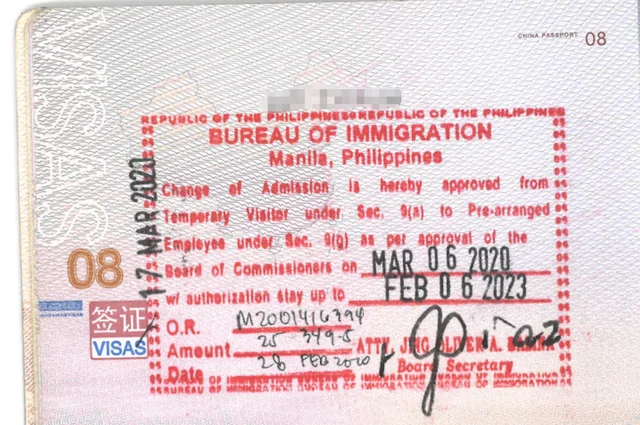
For most long-term hires, the standard answer to hiring expats in the Philippines is the 9(g) Pre-Arranged Employment Visa supported by an Alien Employment Permit. The AEP comes from DOLE, while the work visa comes through the Bureau of Immigration and, when filed abroad, the Philippine embassy or consulate.
This route is used when a foreigner will be employed by a Philippine-based company in a more permanent or ongoing role. It is also the route most employers use when bringing in executives, specialists, engineers, and other foreign staff for regular employment.
Short-Term Hiring Options
Not every foreign hire needs the full 9(g) route. Filipino businesses sometimes hire expats for short assignments, and in those cases, a Special Work Permit may be the better option.
The SWP is generally used for temporary work lasting up to six months and is common for consultants, trainers, performers, technical specialists, and similar short-term workers. If the assignment is still pending approval for the main work visa, a Provisional Work Permit can be used as a bridge so the foreign worker can legally begin work in the meantime.
That flexibility is one reason some businesses are able to hire expats quickly without committing to a long-term residence and employment structure immediately.
Requirements for Hiring Expats
The requirements depend on the type of role and the visa route, but there are some common elements across most foreign-hire cases. Filipino businesses must prepare both company documents and employee documents to support the application.
Common requirements include:
- A valid job offer or employment contract.
- Corporate registration documents and business permits for the employer.
- An Alien Employment Permit application for long-term hires.
- A work visa application, usually the 9(g) route.
- Passport copies, photos, and identity documents for the foreign worker.
- A Taxpayer Identification Number for tax compliance.
If the foreign worker is already in the Philippines or the company wants the person to begin before the visa is finalized, the employer may need a Provisional Work Permit or another bridge solution.
Industries That Commonly Hire Expats
Hiring expats is most common in industries where foreign expertise can fill a genuine gap or support international operations. Filipino businesses in these sectors often see the greatest need for foreign hires.
Typical sectors include:
- Multinational headquarters and regional offices.
- BPO and shared services with foreign-language or specialized operational needs.
- Engineering, construction, and infrastructure projects requiring technical specialists.
- Retail, hospitality, and food service groups with international branding or foreign owners.
- Finance, consulting, and technology companies needing cross-border experience.
These industries often hire foreigners for a combination of skills, market knowledge, and cultural alignment with parent companies or overseas clients.
How Employers Decide to Hire Expats
A Filipino business usually decides to hire a foreigner when the position requires a skill set that is difficult to source locally or when the role is part of a global management structure. The decision often starts with a review of the local candidate pool and the specific business need.
Recent labor rules have made this review more structured, including labor market checks and, in some cases, understudy training requirements for Filipino workers. These rules support the government’s goal of ensuring that hiring expats does not unnecessarily displace qualified local talent.
As a result, employers should not assume they can hire a foreigner simply because they prefer to. They must show that the hire is justified and that the legal process has been followed.
What Happens If the Rules Are Ignored
Hiring expats without the correct permits can create serious problems for both the company and the foreign worker. The U.S. Embassy notes that foreigners found working without an employment permit can face fines, imprisonment, and deportation.
For the employer, unauthorized hiring can also cause payroll and compliance problems, delay project delivery, and damage relationships with clients or regulators. For the worker, it can mean loss of status, cancellation of the assignment, or problems with future visa applications.
That is why businesses that want to hire foreigners should not treat immigration as a side issue. It is part of the hiring process from day one.
Practical Steps for Hiring Expats
A Filipino business that wants to hire a foreigner should follow a clear sequence rather than improvising the process. This keeps the company compliant and helps the employee start work without delays.
A practical hiring workflow is:
- Define the role and confirm why a foreign hire is needed.
- Choose the correct route: AEP and 9(g) for long-term work, SWP for short-term work, or PWP if the main visa is still pending.
- Prepare the company and employee documents.
- File the labor and immigration applications in the correct order.
- Ensure the worker has a TIN and any other registration needed to begin work legally.
When employers follow this sequence, hiring expats becomes a manageable compliance project rather than a last-minute emergency.
Final Insights
Yes. Filipino businesses do hire foreigners, especially when the role needs specialized expertise, international experience, or leadership support that cannot be sourced locally at the time of hiring. But hiring expats is only lawful when the employer chooses the right visa route, secures the needed permits, and keeps the worker in the correct tax and immigration status.
The main long-term route is the AEP plus 9(g) visa, while short-term assignments may use an SWP or a provisional permit if the main work visa is still pending.
Get Expert Assistance
Work Visa Philippines helps employers and foreign professionals navigate hiring expats in the Philippines so the recruitment, visa, and compliance steps all line up from the start. Reach out to our specialists and schedule an initial consultation:
- Contact Us Here
- Fill Out the Form Below
- Call us at +63 (02) 8540-9623