If you are a U.S. citizen or resident planning to take a job in the Philippines, the key question is not “Can I go?” but “Can I legally work there?” The answer lies in the Philippine work visa from the USA process, which centers on the 9(g) Pre‑Arranged Employment Visa and the underlying Alien Employment Permit (AEP) issued by the Department of Labor and Employment (DOLE).
This route matters because it is the standard way for Americans and other foreign nationals to take up employment with a Philippine‑based company, whether in Manila, Cebu, Davao, or Clark. Getting it right means starting early, aligning your employer’s paperwork with the embassy’s checklist, and understanding that the process can take several months.
Why a Philippine Work Visa from USA Is Needed
Every foreign national who wants to be paid by a Philippine company for work performed in the Philippines must have a work‑authorized visa, not just a tourist or business‑visit entry. The U.S. Embassy in Manila explicitly states that all foreign nationals seeking admission to the Philippines for employment purposes must secure an AEP from DOLE, and that anyone found working without this permit faces fines, imprisonment, and deportation.
For Americans, this means even if you receive a remote‑style contract or “honorarium,” unpaid work, or project‑based role, you still need the proper Philippine work visa if the service is rendered in the Philippines. A 9(g) visa from the Philippine Embassy in the U.S. is what converts a job offer into a lawful, immigration‑approved employment relationship.
The 9(g) Work Visa and AEP
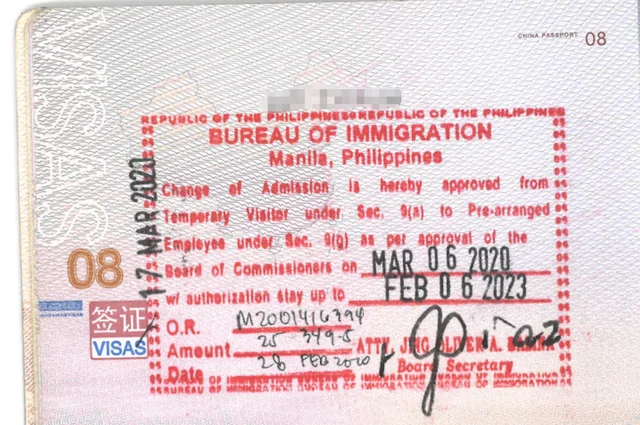
The core of any Philippine work visa application is the 9(g) Pre‑Arranged Employment Visa, which is issued after DOLE has approved an Alien Employment Permit for the foreign worker. The AEP is DOLE’s authorization that the foreign national may be hired for a specific role, salary, and term, and that the hiring does not displace a qualified Filipino worker.
Once DOLE approves the AEP, it is endorsed to the Bureau of Immigration, then to the Department of Foreign Affairs in Manila, which authorizes the Philippine Embassy or Consulate abroad to issue the 9(g) visa. The foreign national must then appear personally at the consular section with the required documents, pay the fees, and receive the visa in the passport.
This two-step AEP-9(g) sequence is why planning ahead is critical; employers and employees must start the process months before the intended start date.
Who Can Apply
A 9(g) visa is issued to foreign nationals who will engage in lawful employment with a Philippine employer. The U.S. Embassy’s pre-arranged employment guidance lists typical roles such as professors and teachers, doctors and nurses, scientists, professionals, and other workers for banks, commerce, industry, agriculture, and business enterprises.
Applicants must be at least 21 years old, have a valid passport, and must be coming to the Philippines to occupy a specific position with a Philippine‑based employer. The visa is not issued for general “work permit shopping” or speculative entry; there must be a concrete job offer and an approved AEP.
Typical Requirements for a U.S. Applicant
The Philippine Embassy in the U.S. provides a clear checklist for 9(g) pre‑arranged employment applicants. The specifics can vary by post, but the core elements are consistent across recent guidance.
For a U.S. citizen applying for a Philippine work visa from the USA, common requirements include:
- A valid U.S. or foreign passport.
- Completed visa application forms.
- Four identical passport‑sized photographs, signed on the front bottom.
- A medical and physical examination report issued within six months of the visa application, including chest X‑ray and laboratory reports, showing that the applicant is free from AIDS and other disqualifying conditions.
- Police clearance issued by the police authorities in the place where the applicant resides.
- Visa application fee payment receipt.
If the spouse is accompanying or joining the principal within six months of the principal’s admission, the marriage certificate is required; for unmarried children under 21, the birth certificate showing both parents’ names is needed.
These documents are layered on top of the DOLE‑generated AEP and supporting papers prepared by the Philippine-based employer, including the employment contract, corporate registration documents, and proof of the company’s ability to hire the foreigner.
How the Process Works from the USA
For a foreign national filing a Philippine work visa from the USA, the process usually runs in this order:
- Employers in the Philippines apply for the AEP.
The Philippine employer files the AEP request with DOLE, usually through the nearest regional office, providing the employment contract, corporate documents, and justification for the foreign hire. - DOLE reviews and approves the AEP.
DOLE checks that the role is legitimate, that the foreigner has the necessary qualifications, and that no qualified Filipino worker is displaced. Once approved, DOLE endorses the file to the Bureau of Immigration and then to the Department of Foreign Affairs. - DFA authorizes the Embassy to issue the 9(g) visa.
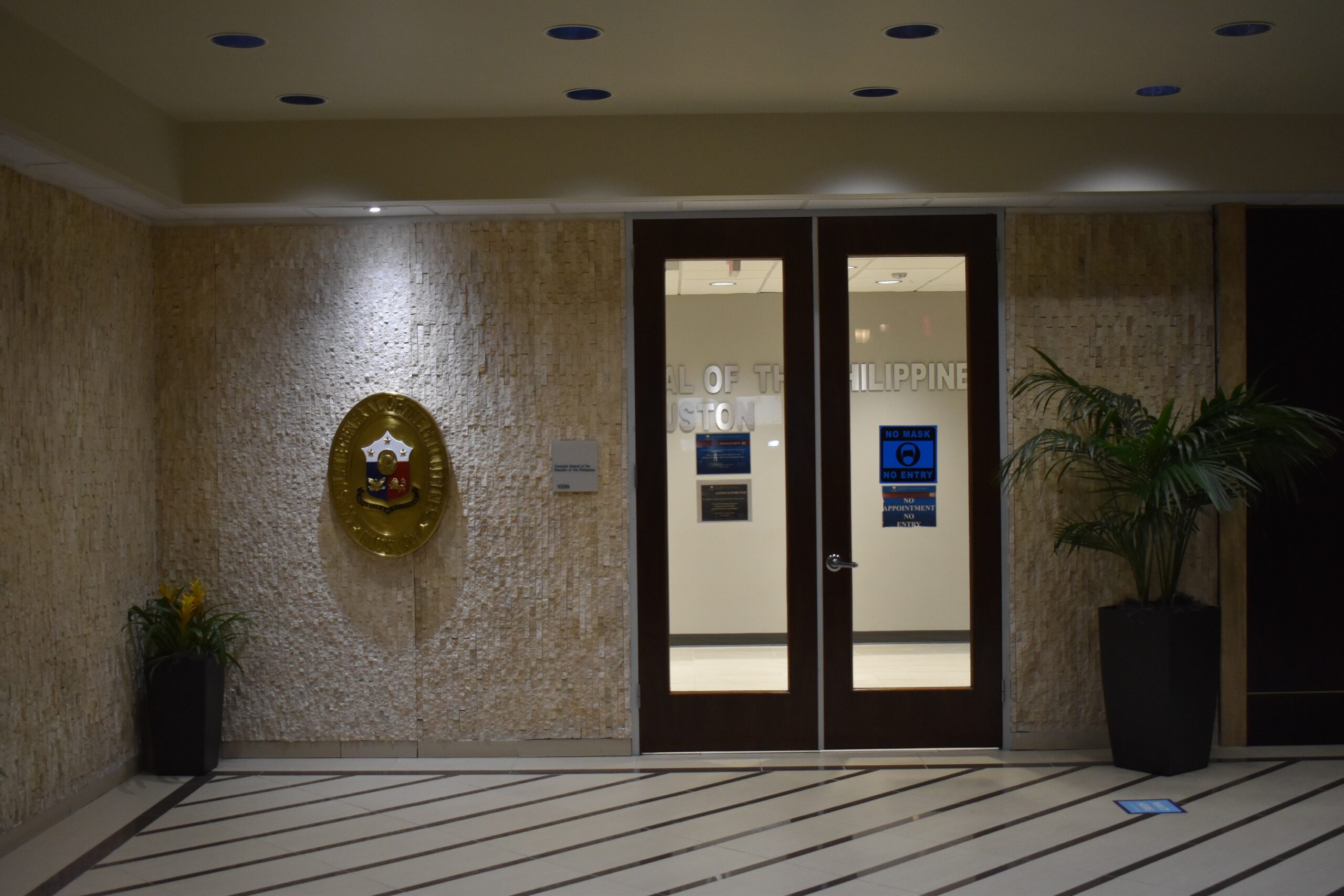
The DFA sends a visa authorization to the Philippine Embassy or Consulate in the country where the applicant resides, in this case, the United States. - Applicant submits documents at the Embassy/Consulate.
The U.S.‑based applicant schedules an appointment, brings the required documents, pays the fees, and appears in person for the visa issuance. - Receive the 9(g) in the passport and travel.
Once issued, the 9(g) allows the foreign national to enter the Philippines and begin work under the approved employment contract.
The timeline can be long; some guides note that the full 9(g) process, including AEP and embassy processing, can take up to seven months, which is why employers and employees are advised to start early.
Provisional Work Permit and Bridging Options
While the AEP and 9(g) are being processed, some employers and foreign workers use a Provisional Work Permit (PWP) as a bridge. The PWP is issued by the Bureau of Immigration and allows the foreign national to start working while the underlying AEP and 9(g) applications are still pending.
This provisional route is useful when the employee must begin duties before the long‑term visa is approved, but it is not a substitute for the full AEP-9(g) sequence. The PWP is temporary; once the AEP is finalized, the employer usually transitions the worker into the standard 9(g) framework.
Renewals, Extensions, and Changes
A 9(g) work visa is usually issued for one to three years, depending on the employment contract, and can be extended for additional periods of one to three years. Each renewal typically requires a fresh review of the AEP, updated documents, and proof that the foreign worker is still in the same role and with the same employer.
If the worker changes employers or takes a different position within the same company, a new AEP and often a new 9(g) endorsement are needed. This is one of the main reasons employers and employees must plan ahead and treat the visa as a living document, not just a one-time approval.
Common Mistakes to Avoid
One of the most common mistakes when applying for a Philippine work visa from the USA is assuming that a short‑term stay or business visitor visa is enough to start work. The U.S. Embassy in Manila stresses that foreign nationals cannot work in the Philippines without an AEP, regardless of how they enter or how little they are paid.
Other frequent issues include:
- Not starting the AEP and 9(g) process early enough, which can delay the start date.
- Failing to update the AEP when changing employers or roles, which can leave the worker out of status.
- Not keeping copies of AEPs, 9(g) visas, and employer contracts, which are often needed for extensions, renewals, and ACR I‑Card processing.
Avoiding these mistakes begins with treating the visa like the core of the hiring process, not as a side task.
Final Thoughts
A Philippine work visa from the USA is the legal gateway for Americans and U.S.-based professionals seeking employment with a Philippine company. The process is standardized but can be slow, so starting the AEP and 9(g) applications months before the desired start date is essential.
Get Expert Help
Work Visa Philippines helps U.S. applicants and Philippine employers navigate the full Philippine work visa process from the USA, from AEP and medical exam preparation to embassy filing and visa implementation. Contact us to get started:
- Contact Us Here
- Fill Out the Form Below
- Call us at +63 (02) 8540-9623