If you are looking into work requirements for expats in the Philippines, the most important thing to know is that foreign nationals cannot simply arrive and start working on a tourist or business trip. The Philippines requires the proper combination of labor authorization, immigration status, and tax registration before a foreigner can lawfully begin employment.
Expats often need more than one document: the right visa, the right work permit, and, in many cases, a tax identification number and immigration registration card. The rules depend on whether the assignment is long-term, short-term, or temporary while another application is pending.
Why Work Requirements Matter
Foreign workers are regulated in the Philippines because the government wants to ensure that local labor is protected while still allowing companies to bring in specialized expertise when needed. That is why an employer cannot just hire a foreign national informally and expect the arrangement to be legal.
The requirement is not one document but a system of approvals that confirm the foreigner is needed, the job cannot readily be filled by a qualified person already in the Philippines, and the worker is in the correct immigration and tax status. If any of those pieces are missing, the foreign worker and the employer can face delays or penalties.
The Main Work Requirement: AEP
The Alien Employment Permit, or AEP, is the foundation of most long-term work requirements for expats in the Philippines. DOLE requires foreign nationals who intend to engage in gainful employment to secure an AEP, and it can be issued only after DOLE determines that no competent, able, and willing person in the Philippines is available at the time of application.
An employer usually files the AEP for the foreign worker with the nearest DOLE Regional Office. The AEP is tied to a specific position, employer, and employment arrangement, so it is not a general pass to work anywhere in the country.
For many expats, this is the first and most important requirement because the work visa normally depends on it.
The Work Visa Requirement
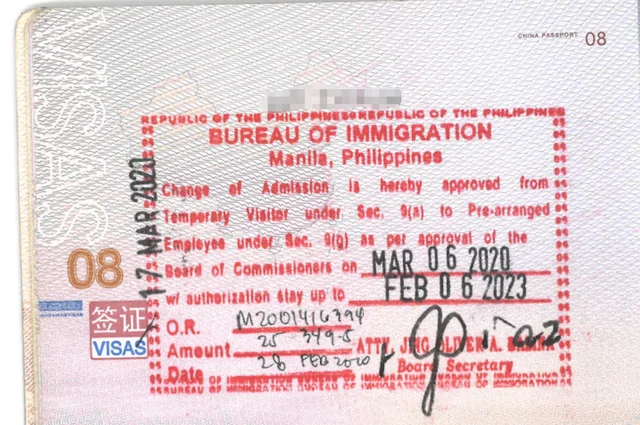
In addition to the AEP, foreign workers usually need a Philippine work visa, most often the 9(g) Pre-Arranged Employment Visa. The Bureau of Immigration and other guidance sources make clear that a work visa is required in addition to labor authorization.
The 9(g) visa is the standard route for foreigners who will work for a Philippine employer for a regular, longer-term assignment. It is usually processed after the employer has initiated the AEP or while the AEP process is underway, depending on the worker’s current location and immigration status.
If you are asking about work requirements for expats, the simplest answer is this: for most long-term jobs, you need both an AEP and a 9(g) visa.
Temporary or Short-Term Work Options
Not every foreign assignment in the Philippines needs the full long-term visa route. If the work is short-term, project-based, or expected to last only a few months, a Special Work Permit may be enough.
According to BI guidance and related tax materials, foreign nationals working in the Philippines for six months or less are generally required to apply for a Special Work Permit with the Bureau of Immigration. The SWP is meant for temporary work or limited activities outside a standard employment arrangement.
If the worker is already in the Philippines and the main work visa is still pending, a Provisional Work Permit can also be used as a bridge so the expat can start working legally while waiting for the full visa approval.
Tax Identification Number Requirement
A foreign worker’s legal status in the Philippines does not stop at immigration and labor authorization. Tax compliance is also part of the work requirements for expats, and current guidance shows that foreign workers are required to obtain a Taxpayer Identification Number, or TIN.
PwC and related guidance note that all applications for work permits and working visas must be supported by a TIN, and that foreign workers are required to apply for one regardless of how long the assignment lasts. This means an expat should not treat the visa process as complete until tax registration has also been addressed.
When a Certificate of Exemption Applies
Some foreign nationals are exempt from the AEP requirement, but that does not mean they can work without any process at all. The U.S. Embassy guidance explains that diplomats, accredited foreign government officials, missionaries engaged only in missionary work, and certain international organization personnel are exempt from securing an AEP.
However, recent DOLE rules now require exempted foreign workers to secure a Certificate of Exemption before commencing employment. That means there is still a formal process, even for those who do not need the standard AEP.
Spouses of certain international organization personnel may also qualify for special treatment, but they are still required to file the appropriate exemption documentation with the DOLE system.
How Employers Support the Process
For expats, the employer is often the main driver of the paperwork. The Philippine employer usually handles the AEP filing and helps coordinate the visa application, especially for foreign nationals who are already in the Philippines or who need the work authorization tied to a specific local position.
Under newer DOLE rules, employers may also need to conduct more detailed job advertisements and labor market checks before hiring a foreign worker. That means the company must show that it made a real effort to identify qualified Filipino candidates before moving ahead with a foreign hire.
This is why the expat’s documents and the employer’s documents must match exactly: the job title, salary, duration, and work location all need to be consistent across the AEP, visa, and employment contract.
Common Documents Expats Need
The exact document checklist depends on the visa and permit type, but most foreign workers should be ready to provide several core items.
Typical requirements include:
- A valid passport.
- A signed employment contract or appointment letter.
- Photos and completed application forms.
- The employer’s SEC or DTI registration, business permits, and company details.
- The AEP or proof that the AEP process is underway.
- A TIN for tax compliance.
- Additional immigration documents, such as an ACR I-Card, where applicable.
For short-term workers, the documents may be simpler, but the expat still needs to prove the nature and duration of the assignment.
What Happens If You Work Without the Right Papers
Working without the required permit or visa is a serious mistake. The U.S. Embassy in Manila notes that aliens found working without an employment permit can be fined, imprisoned, or both, and may also be summarily deported after serving the sentence.
In practical terms, unauthorized work can also create problems for the employer, including stop-work orders, project delays, and issues with future applications for the same foreign worker. That is why the safest approach is always to complete the work requirements before the employee starts the job.
Work Requirements by Situation
The right set of requirements depends on the expat’s role and length of stay.
A useful way to think about it is:
- Long-term employment: AEP + 9(g) + TIN, and usually ACR I-Card registration.
- Short-term assignment of six months or less: SWP, plus TIN and the right visitor status if needed.
- While waiting for the main work visa: PWP as a temporary bridge, with the underlying work visa filing already in progress.
- Exempt workers: Certificate of Exemption instead of the standard AEP, but still subject to formal documentation.
This framework is helpful because it shows that the Philippines does not have one single “expat work permit.” It has several different pathways depending on the facts of the assignment.
Key Takeaways
The main work requirements for expats in the Philippines are the Alien Employment Permit, the correct work visa, and tax registration, with special or temporary permits used when the assignment is short or the main visa is still pending. Exemptions exist, but they still require formal documentation, and unauthorized work carries real legal risk.
Reach Out For Assistance
If you are hiring or relocating a foreign worker, the safest approach is to map the role to the right permit before the expat starts work. Work Visa Philippines helps employers and foreign professionals understand and complete the full set of work requirements for expats so they can stay compliant from day one.
Contact us to schedule an initial consultation:
- Contact Us Here
- Fill Out the Form Below
- Call us at +63 (02) 8540-9623