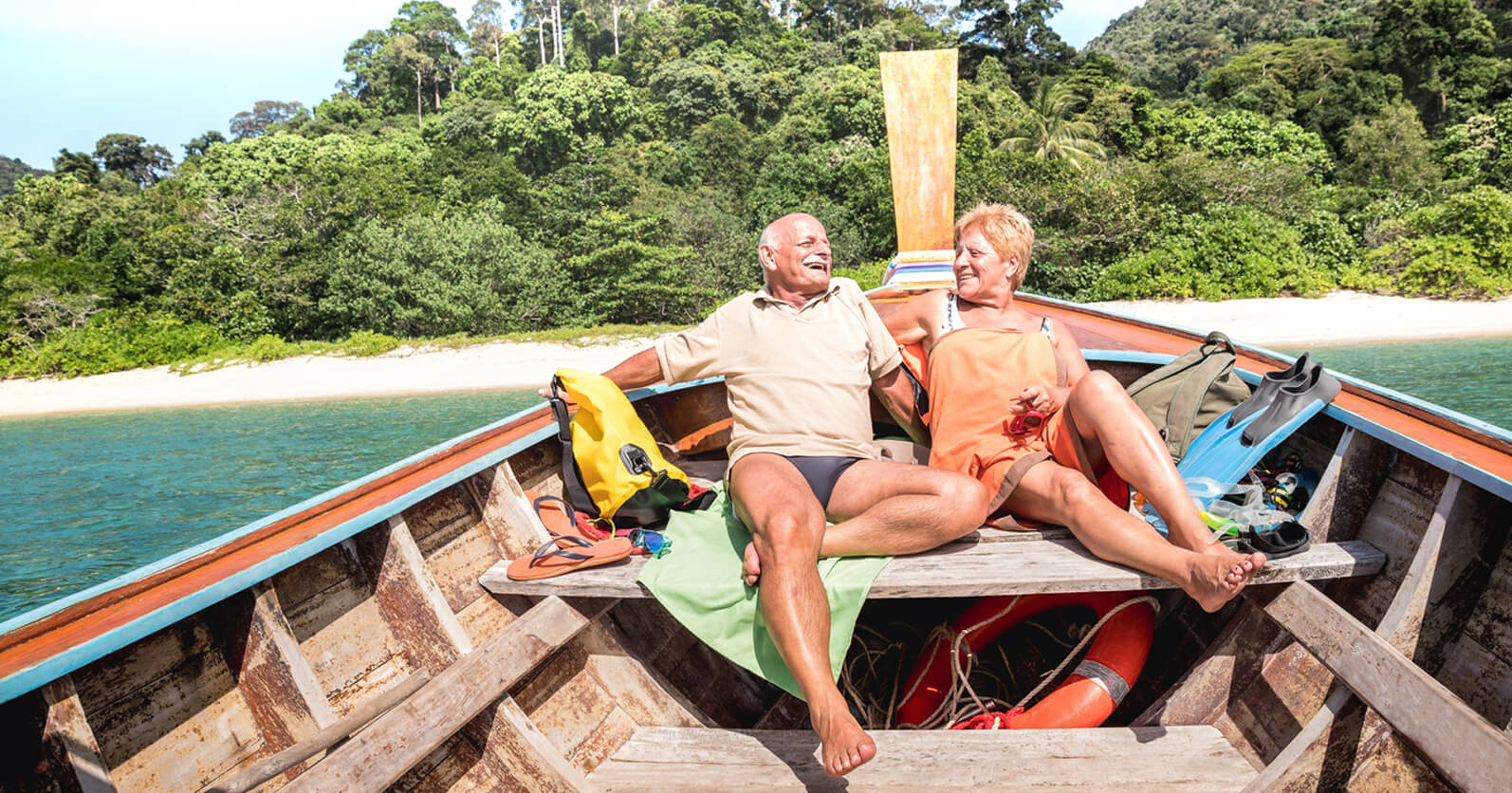
Expat retirement in the Philippines is a serious option for many foreign nationals because the country offers warm weather, low living costs, English as a widely spoken language, and a long-stay visa designed specifically for retirees. For workvisaphilippines.com, this topic matters because retirement is one of the most common reasons foreign nationals choose to live in the Philippines on a long-term basis, even when they are not working for a Philippine employer.
The key to retiring legally is the Special Resident Retiree’s Visa (SRRV), which grants long-term, multiple-entry residency for qualified foreign retirees and their dependents. SRRV holders can stay in the country without needing frequent tourist visas, and they get certain tax and banking benefits that make retirement life smoother.
Why the Philippines Is Attractive for Expat Retirement
For many expats, the Philippines offers a retirement lifestyle that is more affordable than in the U.S., Canada, Australia, or Europe, while still providing decent healthcare, Western-style amenities, and a welcoming local culture. The country’s tropical climate, beach destinations, and island geography also make it attractive for people who want relaxed, outdoor-oriented retirement years.
Another major factor is language. English is widely used in business, government, healthcare, and daily life, so retirees do not need to learn a new language just to handle banking, medical visits, or basic errands. This makes the Philippines simpler for many Western retirees compared to other Southeast Asian destinations where language barriers are sharper.
The SRRV Visa for Retirees
The cornerstone of expat retirement in the Philippines is the Special Resident Retiree’s Visa (SRRV), administered by the Philippine Retirement Authority (PRA). The SRRV is a non-immigrant, long-stay visa that allows qualified retirees to live in the Philippines indefinitely as long as they comply with the program’s requirements.
The SRRV is not a work visa; it is designed for people who are retired and receiving a pension or other retirement income outside the Philippines. However, it does allow retirees to live in the country full-time and enjoy multiple entries, so they can travel in and out of the Philippines without worrying about short tourist visas.
Eligibility and Age Requirements
To be eligible for the SRRV, the applicant must generally be at least 35 years old, but the exact age and deposit requirements depend on the retiree’s profile and whether they have a pension. Different SRRV categories have slightly different rules, but the most common paths are:
- Age 50 and over with a pension: usually requires a smaller time deposit and proof of a monthly pension.
- Age 50 and over without a pension: requires a larger time deposit.
- Age 35-49 without a pension: usually requires a higher deposit, often around USD 50,000.
- Former Filipinos: can often apply with a lower deposit, regardless of age, as long as they meet the minimum age requirement.
The PRA and related guidance show that these categories are designed to match the retiree’s financial profile and pension status, not just age.
Financial Requirements for the SRRV
The financial requirements for expat retirement through the SRRV are based largely on a time deposit in a PRA-accredited Philippine bank and, in some categories, proof of a monthly pension.
Typical pathways include:
- With pension, age 50+:
- Time deposit of around USD 10,000.
- Monthly pension of at least USD 800 for a single applicant, or USD 1,000 for an applicant with dependents.
- Without a pension, age 50+:
- Time deposit of around USD 20,000.
- Without a pension, age 35-49:
- Time deposit of around USD 50,000.
- Former Filipinos and certain special categories:
- Often lower deposits, such as USD 1,500, depending on the program and status.
These figures are subject to change as the PRA updates its programs, so the exact amount should always be confirmed with the PRA or an accredited agency before applying.
Required Documents for the SRRV
The application process requires a set of standard documents that prove identity, age, health, and financial capacity. The exact checklist may vary slightly by category and by whether the applicant is applying from abroad or in the Philippines, but the core documents are consistent.
Typical requirements include:
- Valid passport with at least one year of validity.
- Completed SRRV application form.
- Medical certificate issued within six months before submission.
- Police clearance from the country of origin or residence for the last six months, authenticated by the Philippine consulate.
- Bureau of Immigration Clearance Certificate (BICC) and, if the applicant has stayed more than 90 days in the Philippines, an NBI Clearance.
- Proof of pension (for pensioner categories), showing at least USD 800/month for a single applicant or USD 1,000/month for those with dependents.
- Proof of bank deposit in a PRA-accredited bank.
- Birth and marriage certificates, and passport-sized photos, for dependents.
These documents are reviewed by the PRA, and if the application is approved, the retiree deposits the required amount and receives the SRRV.
Benefits of the SRRV for Retirees
SRRV holders receive several practical benefits that make retirement life easier and more predictable. The rights and benefits are tied to the program and can vary slightly by category, but the main advantages are consistent across most SRRV types.
Key benefits include:
- Permanent resident status is granted as long as the requirements are met, with no need to renew every few months like a tourist visa.
- Multiple-entry privileges, so retirees can travel in and out of the Philippines without obtaining new visas each time.
- Tax-free importation of household effects and personal belongings into the Philippines (subject to certain conditions and limits).
- Exemption from other local taxes on foreign income in some cases, which can make retirement income planning more straightforward.
- Access to PRA-accredited healthcare and banking services, including time deposits and other retirement-oriented financial products.
These benefits make the SRRV more than just a visa; it is a structured retirement program designed to attract foreign retirees to the country.
Cost of Living and Healthcare
For many expats, the cost of living is one of the main reasons they choose the Philippines for expat retirement. A comfortably middle-class retirement budget in the U.S. or Europe can often support a more relaxed lifestyle in the Philippines, especially outside the most expensive areas of Metro Manila.
Healthcare is another important factor. The Philippines has private hospitals and clinics in major cities that serve many expats, and some hospitals have internationally accredited facilities. Retirees often pay privately or use international health insurance, rather than relying on public healthcare systems.
Retirees should plan for health insurance, emergency funds, and possible medical evacuation options, especially if they want to live in more remote areas where hospital access is limited.
How to Apply for the SRRV
Applying for the SRRV can be done either in the retiree’s home country through a Philippine embassy or consulate, or directly in the Philippines through the PRA. The process follows a set sequence of steps, from initial inquiry to final visa issuance.
A typical workflow is:
- Confirm eligibility and choose the appropriate SRRV category based on age and pension status.
- Gather all required documents, including passport, medical certificate, police clearance, and proof of pension or deposit capacity.
- Submit the application to the PRA in Manila or through an accredited agency.
- Undergo verification and processing, which usually takes a few weeks once the application is complete.
- Deposit the required amount in a PRA-accredited bank and receive the SRRV and resident card.
The resident card is renewable every two years, and the retiree must continue to meet the program requirements to keep the status.
Final Thoughts
Expat retirement in the Philippines is a practical option for many foreign nationals because the country offers affordable living, English-speaking services, and a long-stay visa designed specifically for retirees. The SRRV is the main pathway, allowing qualified retirees to live in the country indefinitely, travel in and out easily, and enjoy certain tax and banking benefits.
Where To Get Expert Help
If you are considering retiring in the Philippines, the first step is to confirm your eligibility, choose the right SRRV category, and start gathering the required documents. Work Visa Philippines helps foreign retirees navigate the SRRV process and plan their long-term stay so they can move to the Philippines with confidence. Contact our team:
- Contact Us Here
- Fill Out the Form Below
- Call us at +63 (02) 8540-9623