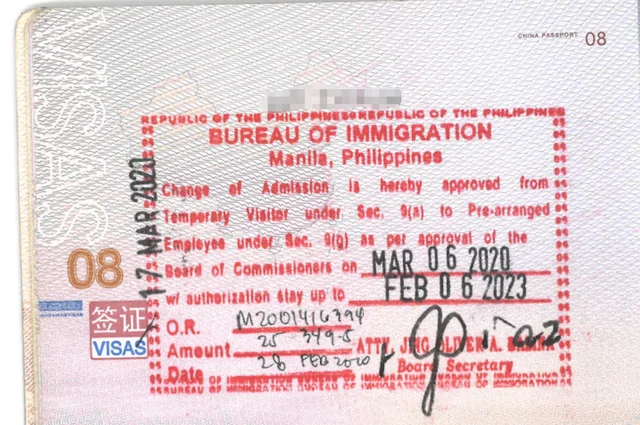
Startup visas in the Philippines are a special visa category created under Republic Act No. 11337, the Innovative Startup Act, to support foreign founders, employees, and investors who are part of qualified startups or startup enablers. These visas are designed to remove immigration barriers that typically block innovation-focused mobility, such as the requirement for an Alien Employment Permit (AEP), and to give qualified foreign participants longer-term residency aligned with startup development.
Startup visas matter because they create a new pathway for foreign entrepreneurs and investors that is separate from the traditional employment visa system. The key practical issue is not just whether the visa exists, but whether the startup qualifies under the law and the applicant’s role matches one of the three authorized categories.
What Startup Visas Are Under the Law
The Innovative Startup Act explicitly authorizes the Department of Foreign Affairs (DFA) to create startup visas for foreign nationals involved in Philippine startups and startup enablers. Section 13 of the law defines three specific startup visa types and sets their basic rules, including the requirement for host-agency endorsement and exemption from the AEP.
This is a policy-driven visa, not a standard visitor or work visa. It sits inside the Philippine Startup Development Program and depends on the host agency system created by the law, which means immigration approval is tied to startup qualification and program alignment.
The Three Types of Startup Visas
The law creates three distinct startup visa tracks, each aligned with a different role in the startup ecosystem. The categories are: startup owner visa, startup employee visa, and startup investor visa. Choosing the right category is critical because the role must match the visa type, not just the person’s title.
Mismatching the role and visa category can lead to delays or compliance issues later, especially when the applicant is expected to prove that they qualify under the specific startup visa provision.
Startup Owner Visa
The startup owner visa is for prospective or current foreign owners of a startup or startup enabler registered in the Philippines. This category is most relevant for foreign founders and co-founders who will own a meaningful stake in the company rather than just being employed by it.
- Best suited for founders and co-founders with real ownership, not just advisory roles.
- Works best when the startup clearly fits the law’s definition of an innovative product, process, or business model.
- Should be planned together with the company registration and ownership structure.
Startup Employee Visa
The startup employee visa is for foreign employees of a startup or startup enabler registered in the Philippines. This category is intended for actual employment, not advisory or investment-only relationships, and is especially useful for early-stage teams bringing in specialized talent.
- Intended for employees with formal employment arrangements, not just consultants.
- Useful for technical, strategic, or specialized roles tied to startup operations.
- The law authorizes exemption from the usual Alien Employment Permit requirement for startup visa holders.
Startup Investor Visa
The startup investor visa is for prospective or current foreign investors of a startup or startup enabler registered in the Philippines. This route fits investors whose primary role is investment rather than day-to-day employment, such as startup backers, fund participants, and strategic investors.
- Appropriate for investors who support startups through capital or strategic resources.
- Should reflect a genuine investment relationship, not disguised employment.
- Often requires careful documentation of the investment role and host-agency endorsement.
Validity and Renewal of Startup Visas
Startup visas are designed for longer-term engagement with the Philippine startup ecosystem, not short visits. The law specifies that startup visas have an initial five-year validity and may be renewed or extended with a three-year validity.
This longer validity period is one of the main advantages of startup visas compared to traditional short-term business or employment visas, which often require repeated renewals and may not provide the same stability for founders and investors.
For foreign founders and investors, this means the startup visa can serve as a more stable residency base while they build or support their startup in the Philippines.
AEP Exemption for Startup Visa Holders
A major feature of startup visas is the AEP exemption. The law explicitly states that bearers of startup visas are exempt from securing an Alien Employment Permit issued by the Department of Labor and Employment (DOLE).
This is a significant practical benefit because the AEP is a complex, time-consuming requirement that most foreign employees must obtain before they can work in the Philippines. The startup visa exemption removes that barrier for qualified startup owners, employees, and investors.
The DFA, Bureau of Immigration (BI), and DOLE are required to promulgate the rules for implementing this exemption, which means the exact process will be formalized in implementing regulations.
Interim Multiple-Entry Startup Visas
The law also provides for interim multiple-entry startup visas for prospective startup owners, investors, or enablers. These visas are valid for six months to one year and are issued for free upon the endorsement of the appropriate host agency.
This interim option is useful for foreign nationals who want to explore the Philippine startup ecosystem, meet with partners, attend events, or evaluate opportunities before committing to a full startup visa application.
For founders and investors, this can be a practical way to start building connections and preparing for a longer-term stay without going through the full startup visa process immediately.
Host Agency Endorsement Requirement
A central requirement for startup visas is host agency endorsement. The law states that the application for startup visas shall require an endorsement from a host agency, in addition to the visa requirements stipulated by the DFA.
The law designates three agencies as lead agencies responsible for the development of the Philippine Startup Development Program:
- Department of Science and Technology (DOST)
- Department of Trade and Industry (DTI)
- Department of Information and Communications Technology (DICT)
Each of these agencies can play a role in endorsement depending on the startup’s sector and focus. For example, DOST is often relevant for science and technology ventures, DTI for business development and promotion, and DICT for digital and innovation-driven ventures.
Qualified Startups and Startup Enablers
The startup visa framework only applies to qualified startups and startup enablers, not to all businesses. The law defines a startup as any person or registered entity in the Philippines that aims to develop an innovative product, process, or business model.
A startup enabler is any person or registered entity registered under the Philippine Startup Development Program that provides goods, services, or capital identified as critical for the growth and operation of startups.
This means that the business must fit the legal concept of a startup or startup enabler and must be properly organized and recognized under the program. The strongest startup visa cases are those where the startup is clearly innovative and aligned with the law’s definitions.
Benefits and Programs for Startups
The Innovative Startup Act provides a range of benefits and programs for startups and startup enablers, which indirectly support the startup visa framework by making the startup ecosystem more attractive and better supported.
Key benefits include:
- Subsidies for the cost of business permits and certificates.
- Endorsement for expedited or prioritized processing with other agencies.
- Subsidies for the use of facilities, office space, equipment, and services.
- Grants-in-aid for research, development, training, and expansion projects.
These benefits create a more supportive environment for startups and can make the startup visa pathway more attractive for foreign founders and investors.
How the Startup Visa Process Works
The startup visa process follows a general sequence that connects the startup qualification step with the immigration filing step. The exact documentary flow can vary depending on the startup’s profile and the host agency involved, but most cases follow the same broad pattern.
Step 1: Confirm startup status
Review whether the business fits the legal concept of a startup or startup enabler and whether it is properly organized in the Philippines. This includes verifying registration and alignment with the Philippine Startup Development Program.
Step 2: Match the role to the right visa
Choose the correct track: owner, employee, or investor. This step matters because a mismatch can create delays or compliance issues later.
Step 3: Secure host agency endorsement
Obtain endorsement from the appropriate host agency (DOST, DTI, or DICT). This endorsement is a required element of the startup visa application and connects the immigration side to the startup policy side.
Step 4: Prepare immigration filing
Once the startup and role are properly documented and endorsed, the visa application can move into the appropriate DFA and Bureau of Immigration steps under the implementing rules. The DFA shall promulgate the rules for the issuance of startup visas by Philippine Consular Officers.
Documents and Planning Points to Expect
While final documentary checklists depend on implementing guidelines and the applicant’s circumstances, startup visa cases normally require a combination of personal identity records, business records, and role-specific support documents.
- Personal records. Expect standard identity materials such as a valid passport, application forms, photographs, and other personal supporting documents required for the relevant visa issuance stage.
- Business records. These often include company formation documents, proof that the startup or startup enabler is properly organized, and records that support its innovative business model.
- Role-specific proof. Owner, employee, and investor cases require different proof, such as ownership documents, employment arrangements, investment records, and host-agency endorsements.
Practical Considerations for Foreign Founders and Investors
Startup visas are not the same as ordinary work visas. They exist because startup founders, employees, and investors do not always fit neatly into the traditional visa categories used for established commercial employers. The law was designed to make room for innovation-focused mobility, but only for cases that genuinely qualify under the startup system.
For foreign founders and investors, the key is to ensure that:
- The startup qualifies under the law.
- The role matches one of the three visa categories.
- Host agency endorsement is secured.
- Business setup, immigration status, and supporting records all align from the start.
Wrapping Up
Startup visas under the Innovative Startup Act offer a specialized immigration pathway for foreign founders, employees, and investors who are part of qualified startups or startup enablers in the Philippines. The law creates three visa types, provides for longer-term validity, exempts holders from the AEP, and requires host agency endorsement as a key part of the process.
For foreign entrepreneurs and investors, the best approach is to assess whether the startup qualifies under the law, match the role to the correct visa category, and coordinate the business and immigration strategy from the beginning. Work Visa Philippines helps founders, startup teams, and investors understand whether the startup visa framework applies to their case and how to align the visa route with company structure, investment plans, and operational needs.
Reach out to our team of experts for guidance:
- Contact Us Here
- Fill Out the Form Below
- Call us at +63 (02) 8540-9623