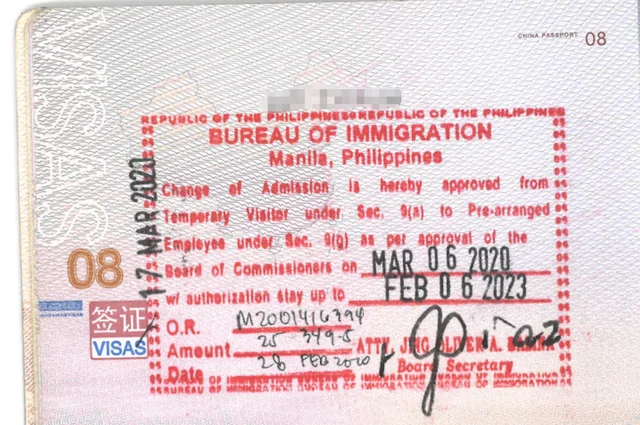
The Innovative Startup Act is the Philippine law that supports the creation, growth, and international competitiveness of startups by giving them incentives, government support, and a clearer policy framework. For workvisaphilippines.com, this law matters because many foreign founders, investors, and key employees want to build or join startup companies in the Philippines, and the law can affect both business setup and immigration planning.
The law’s basic goal is simple: encourage innovation, make startup formation easier, and build an ecosystem where new businesses can grow faster with fewer administrative obstacles. That makes it highly relevant to anyone exploring venture-backed companies, tech startups, and founder-led business expansion in the country.
What the Law Is
Republic Act No. 11337, known as the Innovative Startup Act, was enacted to provide benefits and programs that strengthen the Philippine startup ecosystem. It recognizes startups and startup enablers as important drivers of job creation, innovation, and trade development.
Under the law, a startup refers to a person or registered entity in the Philippines that aims to develop an innovative product, process, or business model. The law also recognizes startup enablers, which are entities that provide critical support services to startups.
Why the Law Matters
The Innovative Startup Act matters because startups often face a different set of challenges than traditional businesses. They usually need faster permits, specialized support, access to mentorship, and easier entry into government programs that can help them scale.
The law helps by removing constraints and promoting an environment where innovation can translate into real economic activity. For foreign founders, that is especially valuable because early-stage companies often need not just capital but also clear rules about ownership, visas, and access to incentives.
Who Qualifies as a Startup
The law gives a broad definition of a startup so that innovative businesses are not excluded just because they are small or new. A startup can be any person or registered entity in the Philippines that is developing an innovative product, process, or business model.
Innovation can involve new goods or services, improved production methods, or a new way of organizing a business. This means the law is not limited to tech companies only, although technology startups are often the most obvious beneficiaries.
What Benefits Are Available
One of the most important parts of the law is that it creates incentives and programs for startups and startup enablers. These benefits may include subsidies, grants, expedited government processing, and support for the use of facilities or equipment.
Examples of the support framework include:
- Subsidies for business registration and permit costs.
- Endorsement for expedited processing of government applications.
- Subsidies or support for office space, equipment, and facilities.
- Grants and assistance for research and development.
- Access to mentorship, networking, and startup ecosystem programs.
These benefits are meant to reduce the burden on early-stage companies and help them move faster from concept to market.
Lead Government Agencies
The law identifies key agencies that are responsible for developing and implementing the startup program. The lead agencies are the Department of Science and Technology, the Department of Trade and Industry, and the Department of Information and Communications Technology.
These agencies are expected to assess, monitor, develop, and expand the startup support system. They also coordinate with other agencies to make sure startup benefits are actually delivered in practice, not just written in law.
Startup Development Program
A major feature of the law is the Philippine Startup Development Program, which serves as the framework for startup support. The program is designed to organize benefits, policies, and incentives across agencies instead of making startups deal with fragmented support systems.
The program is intended to help startups with research and development, access to local and international networks, and participation in startup events and collaborations. It is meant to strengthen the startup ecosystem as a whole, not just one company at a time.
Foreign Founders and Investors
For foreign founders, the Innovative Startup Act is especially important because it connects startup policy to foreign investment and business formation. RA 11337 works alongside the Foreign Investments Act amendments to support startup investment and make foreign participation easier in qualified cases.
Under the amended foreign investment framework, a domestic market enterprise that qualifies as a startup or startup enabler may be eligible for lower capital thresholds when foreign ownership is involved. That means startups endorsed under the law can be more accessible to foreign investors than ordinary domestic-market companies.
This is a major advantage for foreign founders who want to build a company in the Philippines without being blocked by the higher capital requirements that often apply to other foreign-owned businesses.
Startup Visas and Mobility
One of the most practical parts of the law for foreign nationals is that it authorizes the creation of startup-related visas. The law contemplates visas for foreign startup owners, employees, and investors, subject to host agency endorsement.
According to the policy summaries, these startup visas may be issued for an initial period of up to five years and may be renewable for three-year periods. Interim multiple-entry visas can also be issued while the long-term visa is being processed.
This makes the law important not only for business formation but also for immigration planning. A foreign founder who wants to actively manage a startup in the Philippines may need this type of mobility support in addition to company registration.
Practical Impact on Hiring
The Innovative Startup Act also has implications for hiring because startups often need foreign specialists, technical founders, or global team members. If a startup is endorsed under the law, the foreign personnel may benefit from startup visa pathways that are separate from the usual work permit process.
That said, employers still need to understand the actual immigration category being used and whether any labor authorization requirements still apply. A startup visa is not the same thing as a standard work visa, so the company must match the immigration route to the person’s real role and status.
Common Misunderstandings
A common misunderstanding is that the law automatically makes every foreign-owned startup fully exempt from ordinary business rules. That is not correct. The company still has to comply with the Foreign Investments Act, the negative list, and other applicable corporate, tax, and labor rules.
Another mistake is assuming the law removes the need for immigration planning. In reality, foreign founders and employees still need the correct visa or residency status, even if the startup itself is eligible for incentives.
The startup law is supportive, but it is not a blanket waiver for all other legal requirements.
Final Thoughts
The Innovative Startup Act is one of the Philippines’ most important laws for building a startup-friendly environment. It provides benefits, support, and potential visa pathways for startups, startup enablers, foreign founders, and investors who want to build innovative businesses in the country.
Reach Out To Specialists
For foreign entrepreneurs, the main takeaway is that the law can lower barriers and create opportunity, but it still needs to be used correctly alongside the country’s foreign investment and immigration rules. Work Visa Philippines helps founders, investors, and startup teams understand how the Innovative Startup Act fits into business formation, residency, and visa planning in the Philippines.
Contact our team of experts to schedule a consultation today:
- Contact Us Here
- Fill Out the Form Below
- Call us at +63 (02) 8540-9623