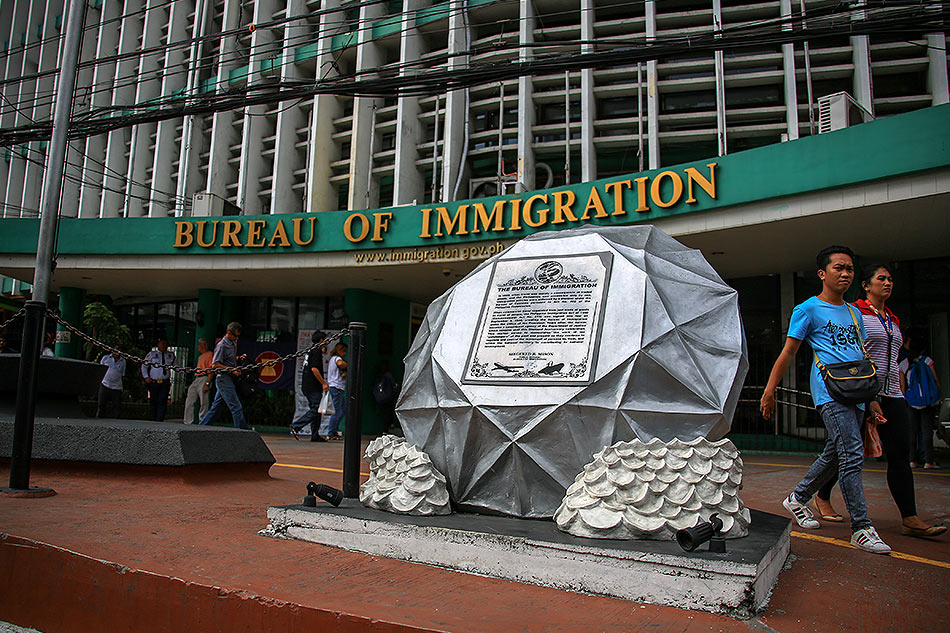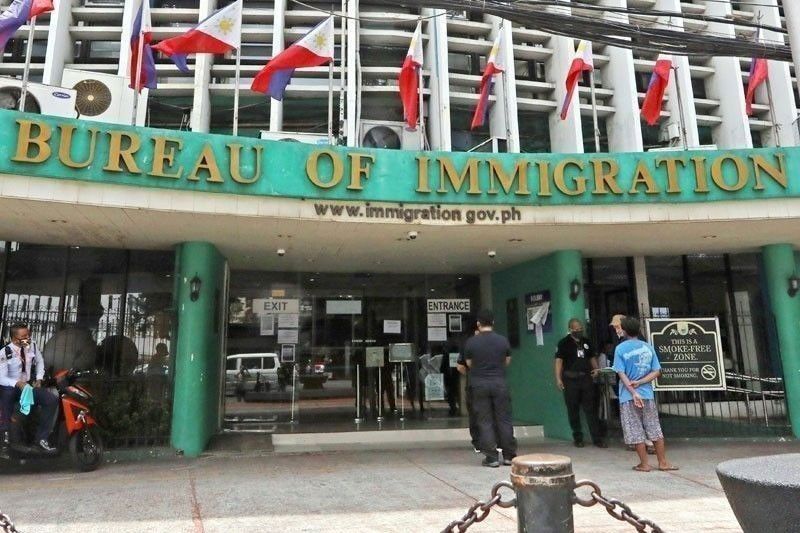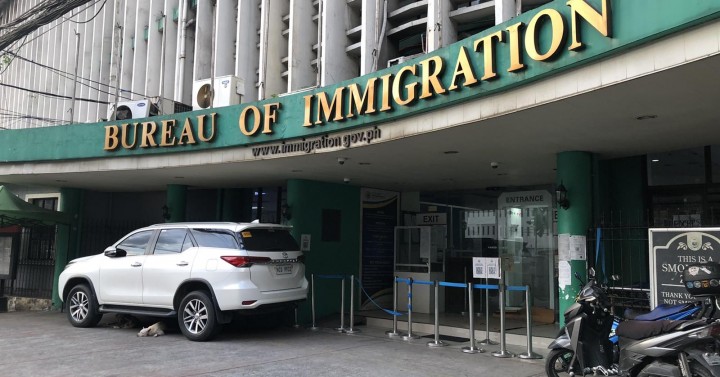
The 9G visa renewal process in the Philippines is a two-stage regulatory procedure that requires coordination between the Department of Labor and Employment (DOLE) and the Bureau of Immigration (BI). For Work Visa Philippines, this is one of the most critical compliance tasks for foreign employees and their employers because a lapse in the 9(g) Pre-Arranged Employment Visa can lead to work stoppage, fines, or even an order to leave the country.
The 9(g) visa is not a one-time approval. It is issued for a specific period that corresponds to the employment contract and the Alien Employment Permit (AEP). Once it nears expiration, the employer and the foreign worker must start the renewal process early to maintain lawful employment and stay in the Philippines.
What The 9G Visa Renewal Process Means
The 9G visa renewal process refers to the steps required to extend or renew a valid 9(g) Pre-Arranged Employment Visa so that the foreign national can continue working legally in the Philippines. The process is closely linked to the renewal of the AEP, because the 9(g) visa is anchored on the labor authorization issued by DOLE.
In practical terms, renewal means filing for a new AEP, then using that renewed AEP to support the extension of the 9(g) visa with the Bureau of Immigration. The validity of the renewed visa should be aligned with the new AEP and the employment contract.
Why Timely Renewal Is Critical
Timely renewal is critical because the 9(g) visa and the AEP are time-bound. If either document expires without a pending renewal application, the foreign employee may be considered out of status and may be barred from working until the situation is corrected.
Late renewal can also trigger penalties, additional fees, and more complex filings. In some cases, the foreign worker may need to downgrade to a temporary visitor visa and reapply, which is costly and disruptive. Starting the process early avoids these risks and keeps the employment relationship stable.
The Two-Stage Renewal Framework
The renewal framework is best understood as two stages. The first stage is labor compliance, handled by DOLE through the AEP. The second stage is immigration compliance, handled by the Bureau of Immigration through the 9(g) visa extension.
This sequence is important because the BI generally requires proof that the AEP has been renewed or is being renewed before it approves the visa extension. Employers cannot skip the labor stage and go directly to immigration without risking denial or delay.
Stage 1: Renewing The Alien Employment Permit
The first stage of the 9G visa renewal process is renewing the Alien Employment Permit. The AEP is usually valid for one to three years, depending on the employment contract and DOLE rules. It must be renewed before it expires to keep the foreign worker’s employment authorization current.
The employer files the AEP renewal at the DOLE Regional Office or Field Office that has jurisdiction over the principal place of business. The filing includes the renewal application form, the updated employment contract, and supporting documents that confirm the continued need for the foreign employee.
Key Documents For AEP Renewal
The document set for AEP renewal is similar to the initial application, but it must be updated to reflect the foreign worker’s current employment details. Each document should be consistent with the employee’s actual role, salary, employer, and work location to avoid delays or requests for clarification.
Typical AEP renewal documents include:
- Notarized AEP renewal application form.
- Copy of the expiring or existing Alien Employment Permit.
- Renewed, extended, or updated employment contract.
- Copy of the foreign national’s passport bio-page.
- Copy of the current visa and latest admission stamp.
- A recent photograph of the foreign employee, if required by the DOLE office.
- Copy of the employer’s SEC or DTI registration.
- Copy of the employer’s current mayor’s permit or business permit.
- PEZA or ecozone certification, if the employer operates inside a special economic zone.
- Proof of the employee’s current job title, salary, and work assignment, if reflected through appointment papers or company certification.
- Other supporting documents that the DOLE Regional Office may require, based on the nature of the employment or any material change in the employee’s position.
The employer should also make sure that the company remains in good standing and that all supporting permits are current at the time of filing. If there has been any change in the employee’s position, salary, or work location, that change should be clearly reflected in the renewal documents.
Timing For AEP Renewal
AEP renewal should be started at least 60 to 90 days before the permit’s expiration. This lead time allows for document preparation, DOLE processing, and any follow-up requests from the labor office.
If the AEP expires before renewal, the employer may face penalties and may need to justify why the renewal was not filed on time. In some cases, the foreign worker’s ability to work may be affected until the AEP is reinstated or renewed.
Stage 2: Extending The 9G Visa With BI
Once the AEP renewal is in process or approved, the second stage of the 9G visa renewal process begins with the Bureau of Immigration. The employer or authorized representative files a petition to extend the 9(g) visa, using the renewed AEP as a key supporting document.
The BI evaluates whether the foreign worker’s employment is still valid, whether the company remains a legitimate sponsor, and whether all immigration requirements are met. If approved, the visa is extended for a period that is co-terminous with the new AEP and the employment contract.
Key Documents For 9G Visa Extension
The document checklist for a 9(g) visa extension is specific and should be prepared carefully to match the foreign worker’s current employment status. All supporting records should be consistent with the renewed AEP, the employment contract, and the company’s present corporate standing.
Common requirements include:
- Accomplished Bureau of Immigration application form for 9(g) visa extension.
- Notarized letter request from the employer or petitioner.
- Renewed or updated employment contract, or equivalent appointment, assignment, or election document.
- Copy or certified true copy of the renewed Alien Employment Permit.
- Copy of the foreign national’s passport bio-page.
- Copy of the current 9(g) visa page or latest visa implementation page.
- Copy of the latest admission stamp in the passport.
- Copy of the valid ACR I-Card.
- Latest Income Tax Return of the applicant, or proof of payment of withholding taxes, when required.
- Company documents, such as the General Information Sheet, audited financial statements, or other proof that the employer remains in good standing, when required.
- Bureau of Immigration clearance or other internal BI compliance documents, if required for the specific filing.
- Official receipts for the required filing and extension fees.
- For dependents, authenticated marriage certificate, birth certificates, passport copies, and ACR I-Card copies, as applicable.
If the employee has been promoted or transferred to a different position within the same company, the employer may also need to submit a Notice of Promotion and supporting appointment documents. In that situation, the foreign worker may also need to surrender the old ACR I-Card and apply for a new one that reflects the updated position.
Where To File The Renewal
The 9(g) visa renewal is filed at the Bureau of Immigration office that has jurisdiction over the employer or the foreign worker’s place of residence. This can be the BI Main Office in Intramuros, Manila, or an authorized BI field office.
Certain cases, such as promotions or changes in position, may have specific filing requirements or may need to be handled at the BI Main Office. Employers should confirm the correct filing location to avoid delays or misrouting of the application.
Fees And Processing Costs
The 9G visa renewal process involves both DOLE and BI fees. The AEP renewal fee depends on the validity period, with an initial fee for one year and additional charges for each extra year up to the maximum allowed.
At the BI, the visa extension fees vary depending on the length of the extension and the applicant’s status. The total cost for the principal applicant and any dependents can range from several thousand to tens of thousands of pesos, depending on the validity period and any express processing options. All fees should be paid through official channels, and receipts must be kept safely.
Processing Time And Lead Time
Processing time for the 9G visa renewal depends on the workload of DOLE and BI, the completeness of the documents, and whether there are any complications in the case. As a rule of thumb, employers should plan for a total lead time of at least 90 days before the current visa and AEP expire.
This timeline includes document preparation, AEP renewal, BI filing, biometric capture, and visa implementation. Starting early reduces the risk of a coverage gap and allows time to address any issues that may arise during processing.
Renewal For Dependents
Dependents of 9(g) visa holders, such as spouses and children, must also renew their status in line with the principal applicant. Their visa extensions are typically filed together with or shortly after the principal’s renewal.
The required documents for dependents include the principal’s renewed AEP and visa documents, proof of relationship such as marriage and birth certificates, and the dependents’ passport and ACR I-Card copies. The validity of the dependents’ visas is usually aligned with the principal’s renewed visa.
Handling Promotions And Position Changes
Promotions and position changes add an extra layer to the 9G visa renewal process. When a 9(g) visa holder is promoted within the same company, the employer must submit a Notice of Promotion to the Bureau of Immigration, along with the appointment or election documents to the new position.
Within 30 days from the BI’s receipt of the Notice of Promotion, the employer must file an application for extension of the existing 9(g) visa, and the foreign worker must surrender the old ACR I-Card for cancellation and apply for a new one under the new position. Non-compliance can lead to denial of the extension and possible cancellation of the existing 9(g) visa.
Common Mistakes And How To Avoid Them
A common mistake is waiting until the last minute to start the renewal. Because the process involves two agencies and multiple steps, late filing increases the risk of a coverage gap and penalties.
Other frequent mistakes include:
- Filing the BI extension without a renewed or pending AEP renewal.
- Submitting an employment contract that does not match the actual role or salary.
- Failing to include dependents’ documents or to align their renewal with the principal applicant.
- Ignoring promotion rules and not filing the required Notice of Promotion and ACR I-Card update.
- Losing or misplacing official receipts needed for filing and future transactions.
Avoiding these mistakes requires careful planning, a clear checklist, and coordination between the employer, the foreign worker, and their immigration representatives.
Key Takeaways
The 9G visa renewal process in the Philippines is a structured two-stage procedure that links DOLE labor authorization with BI immigration status. Employers and foreign workers must start early, prepare complete documents, and follow the correct sequence to maintain lawful employment and stay.
Work Visa Philippines helps employers and foreign professionals manage 9(g) visa renewals from AEP renewal to BI extension, including dependents and promotion cases. If your company has foreign staff on 9(g) visas, the renewal timeline should be tracked well in advance and handled with care to avoid compliance gaps.
Reach Out For Expert Help
For Work Visa Philippines, the 9G visa renewal process is a core service. Most long-term foreign employees in the Philippines are on 9(g) visas, and their ability to keep working depends on timely and correct renewal of both the AEP and the visa.
This makes renewal more than just paperwork. It is a compliance project that affects payroll, operations, and the company’s ability to retain key foreign talent. Proper handling ensures that the foreign worker remains lawful and the employer avoids unnecessary penalties or disruptions. Contact our team of experts today for an initial consultation:
- Contact Us Here
- Fill Out the Form Below
- Call us at +63 (02) 8540-9623