To work as an expat in the Philippines, you need more than a job offer. Foreign nationals must secure the correct work authorization, usually an Alien Employment Permit from DOLE and, for long-term employment, a 9(g) pre-arranged employment visa from the Bureau of Immigration.
Many expats arrive for a career move, an overseas assignment, or a company transfer and then discover that local employment is tightly regulated. The Philippines can be a strong destination for foreign professionals, but only if the legal, tax, and workplace rules are followed from the start.
What It Means To Work As An Expat
Working as an expat means taking up employment in the Philippines as a foreign national rather than as a Philippine citizen. In practice, this covers executives, managers, technical specialists, consultants, and other foreign professionals hired by local companies or foreign-owned entities operating in the country.
The key issue is that an expat cannot simply start working on a tourist visa. The Philippine government requires the appropriate work permit and work visa, and the employer usually plays a central role in securing those documents.
Why The Philippines Attracts Expat Workers
The Philippines is attractive to many expats because it has a large services economy, a growing business environment, and strong demand in sectors that rely on international expertise. The country has become an increasingly appealing destination for foreign professionals and investors.
Another reason is language and commercial familiarity. Many expats find it easier to work with English-speaking colleagues and clients, which lowers the practical barrier to settling into a new role. That said, the local business environment is highly relationship-driven and hierarchical, so success depends on both legal compliance and cultural adjustment.
Legal Requirements To Work As An Expat
The main rule is simple: foreign nationals need legal authority to work in the Philippines before starting employment. The U.S. Embassy states that all foreign nationals seeking admission for employment, all non-resident foreign nationals already working in the Philippines, and all non-resident foreign nationals admitted on non-working visas who want to work must secure an Alien Employment Permit from DOLE.
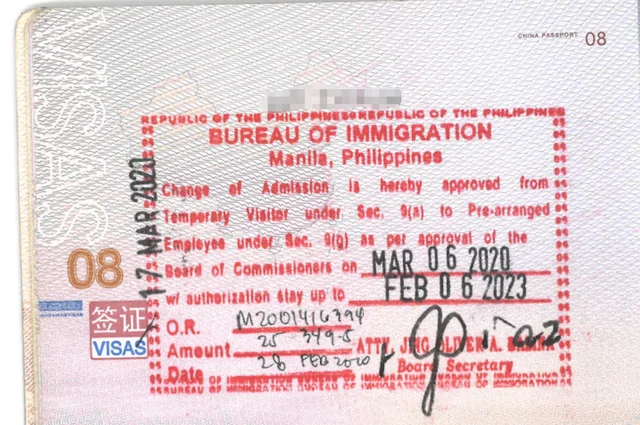
In addition to the AEP, most long-term expat workers also need the proper work visa, usually the 9(g) pre-arranged employment visa. The visa and the labor permit are separate approvals, and both are normally necessary for a lawful long-term employment.
The Role Of The Employer
An expat usually cannot handle the process alone. The Philippine employer normally petitions for the foreign national, files the necessary applications, and provides the supporting company documents.
This is important because the employer must show that the role is real and that the foreign hire is justified. The foreign worker’s job title, duties, compensation, and duration of service should all be consistent across the employment contract, AEP filing, and visa petition.
The AEP First, Then The Visa
The standard sequence for expat employment is to secure the AEP first and then file the work visa. The U.S. Embassy and other immigration guidance confirm that the AEP is the labor-side requirement and that the 9(g) visa or equivalent work authorization follows.
For many expat cases, the AEP is applied for through the employer at the DOLE regional office that has jurisdiction over the workplace. Once the AEP is approved, the employer can file the 9(g) visa application with the Bureau of Immigration.
Work Visa Options For Expats
The 9(g) visa is the most common route for long-term expat employment in the Philippines. It is used for foreign nationals employed by a Philippine company and is tied to the specific employer and position.
Other options may apply depending on the length and nature of the assignment. Short-term work may be handled through a Special Work Permit in some situations, while some temporary arrangements may rely on other immigration categories. The right route depends on the role, contract length, and practical work arrangement.
Short-Term And Long-Term Assignments
Expats on short assignments may need a different process than those with long-term contracts. A Special Work Permit can be used for short-term work, while longer employment generally requires the AEP and 9(g) visa structure.
This distinction matters because an employer should not assume that every foreign assignment needs the same paperwork. A consultant, a project specialist, and a senior executive may each fall into different processing pathways depending on the real facts of the assignment.
Cultural Adjustment In The Workplace
Working as an expat in the Philippines is not only a legal issue. It also requires adapting to a business culture that is often more hierarchical and relationship-focused than what many foreign professionals are used to.
InterNations notes that formal titles matter, status is important, and business relationships are often built through personal interaction and trust. Meetings may proceed more slowly than in some Western environments, and respectful communication is essential. For expats, this means that soft skills are part of work success just as much as technical expertise.
Social Security And Benefits
Expats working in the Philippines should also think about social security coverage and private insurance. The Philippine system covers private sector employees, domestic workers, and the self-employed, but many expatriates still review whether it is enough for their long-term planning.
It may also make sense to maintain home-country coverage or private plans, especially if the assignment is temporary or the employee wants continued retirement and healthcare protection elsewhere. Work authorization is only one part of the expat relocation package; benefits and protection matter too.
Tax Considerations
Foreign nationals who work in the Philippines may become subject to Philippine tax rules depending on their residence status, income source, and employment structure. Employers should not treat tax compliance as separate from immigration compliance, because payroll, withholding, and reporting often go hand in hand.
The employee’s status, the type of contract, and the employer’s registration all affect how the tax rules apply. For expats, it is usually wise to address visa, work permit, and tax planning together rather than one at a time.
Common Documents Needed
Exact document lists vary by case, but expats usually need:
- A valid passport.
- An employment contract or appointment letter.
- Employer registration or company documents.
- AEP application materials.
- Work visa petition forms.
- Supporting documents about qualifications and credentials.
- Police or medical clearances when required.
The key is consistency. If the contract says one thing and the visa filing says another, the case can slow down or become more difficult to approve.
Working Without Proper Authorization
Working without the right visa and permit is not just a paperwork issue. The U.S. Embassy states that foreign nationals who work without an employment permit can be penalized, including fines or imprisonment, and may be summarily deported after serving the sentence.
That is why expats should not begin work on the assumption that “the paperwork will be sorted later.” In the Philippines, the order matters: secure authorization first, then start employment.
Where Expats Usually Need Help
Expats often need help at three points: choosing the correct work visa, coordinating employer filings, and keeping status valid throughout the assignment. This is especially true if the foreign national is already in the Philippines, because visitor status and work authorization are separate issues.
Another common challenge is matching the work role to the correct visa category. A short consultancy may not need the same route as a full-time employment contract, and a foreigner who is managing a Philippine business may face a different analysis again.
Next Steps
To work as an expat in the Philippines, a foreign national must usually secure an AEP and the proper work visa, most often the 9(g) work visa for long-term roles. The employer plays a central role, the process must be sequenced correctly, and the foreign worker must keep lawful status throughout the assignment.
The Philippines can be a rewarding place for expat professionals, but success depends on more than finding a job. It requires legal preparation, cultural adaptation, and ongoing compliance so the move is sustainable from the first day of work to the end of the contract.
How Work Visa Philippines Can Assist
For Work Visa Philippines, helping expats work is one of the core service areas because many foreign professionals want a lawful route into the Philippine labor market. The challenge is not just entering the country; it is staying compliant while actually performing the job.
The best outcomes happen when the employer, employee, and visa strategy are aligned from the beginning. That makes the process smoother, reduces delays, and lowers the risk of enforcement problems later on. Contact us today for an initial consultation:
- Contact Us Here
- Fill Out the Form Below
- Call us at +63 (02) 8540-9623