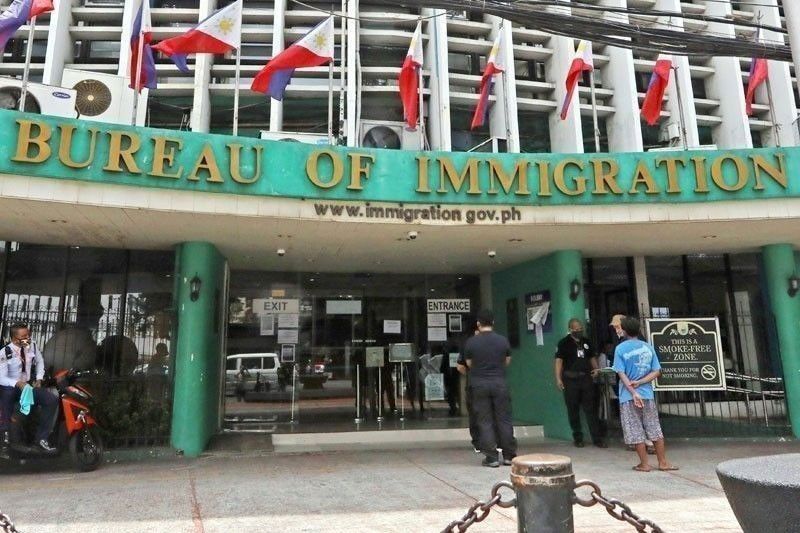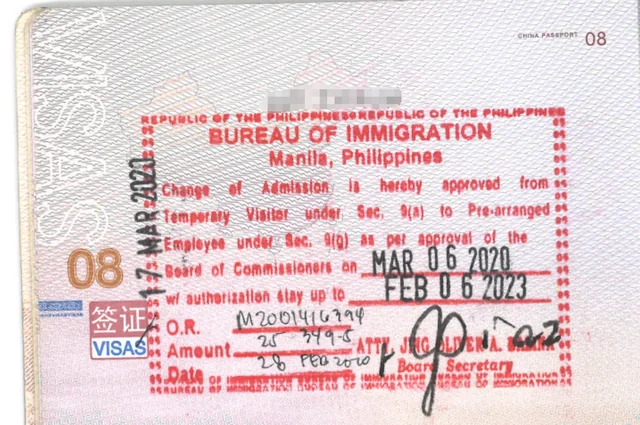
Understanding the 9G visa qualifications is important before accepting a job offer or moving to the Philippines. Foreign nationals who want to work in the Philippines must have the appropriate immigration status and comply with the rules for foreign employment. One of the main options is the 9(g) Pre-Arranged Employment Visa. This visa allows eligible foreign nationals to take up lawful employment with a Philippine-based employer.
Applicants need more than a plan to work. They generally need a qualifying job, a Philippine company willing to act as their petitioner, and the documents required by the Bureau of Immigration (BI). Depending on the job and the applicant’s circumstances, an Alien Employment Permit (AEP) or an applicable exemption may also be required.
The process involves both the employer and the foreign employee. Preparing the correct documents and checking the requirements early can help prevent delays and problems with work authorization.
What Is a 9G Visa?
Before applying, foreign workers should understand what the 9(g) visa is for and how it relates to employment in the Philippines.
The 9(g) Pre-Arranged Employment Visa is a non-immigrant visa for foreign nationals who will engage in lawful employment in the Philippines for wages, salary, or other forms of compensation. It is commonly used by companies that hire foreign professionals, managers, executives, and technical workers.
The visa is handled by the BI, and the Philippine-based employer generally acts as the petitioner. This means the employer plays an important role in preparing and supporting the application.
A 9(g) visa is not the same as a tourist visa or a business visitor visa. A foreign national should not assume that permission to enter the Philippines as a visitor also allows them to take up a regular job.
Who Qualifies for a 9G Visa?
The main requirement is a genuine, qualifying employment arrangement with a Philippine-based employer. Applicants should check both their own circumstances and the company’s ability to support the application.
A valid job offer from a Philippine company
A foreign worker generally needs to be hired by a Philippine-based company that will act as the petitioner for the 9(g) visa. The job offer should describe the position and the employment terms.
The employer must provide the supporting documents required by the BI. A job offer alone does not guarantee approval, and the company must follow the correct application process.
A lawful job and clear work duties
The proposed work must be lawful in the Philippines. The employer should be able to explain the employee’s duties, position, and reason for hiring a foreign national.
Some jobs may require professional licenses or other approvals. A 9(g) visa does not replace a license required to practice a regulated profession.
Qualifications suited to the position
The applicant’s education, skills, experience, and other qualifications should fit the job. The exact requirements depend on the position and the documents required for the case.
Employers should make sure that the employment contract, job description, and supporting records give a clear and consistent picture of the role.
Compliance with labor and immigration rules
Applicants and employers must meet the requirements that apply to their situation. This may include an AEP or proof that a valid exemption or exclusion applies.
The BI makes the final decision on the visa application. Meeting the basic conditions does not guarantee approval.
Does Every Foreign Worker Need an AEP?
The AEP is a separate labor permit handled by the Department of Labor and Employment (DOLE). Employers should check whether the foreign national needs one before starting the 9(g) process.
An AEP is generally required for covered foreign nationals who intend to engage in gainful employment in the Philippines, unless an exemption or exclusion applies. The correct treatment depends on the person’s role and the current rules.
The AEP and 9(g) visa serve different purposes. The AEP addresses the foreign national’s employment under labor rules, while the 9(g) visa addresses immigration status. One should not automatically be treated as a replacement for the other.
Check the current DOLE rules
DOLE updated its rules on employing foreign nationals through Department Order No. 248, Series of 2025, followed by later supplemental and amending issuances. In June 2026, DOLE centralized AEP processing at its Central Office.
Employers should therefore check the current application process instead of relying on older instructions that direct them to file through a regional office.
What Documents Are Needed for a 9G Visa?
The required documents depend on the type of application and the applicant’s circumstances. Employers and applicants should use the latest BI checklist rather than relying on a list from an old article.
Personal documents
The applicant will generally need a valid passport, the required application forms, and supporting immigration records. Additional information or documents may be requested depending on the case.
The BI’s published process also includes document screening, payment of the required fees, and other steps before the visa is implemented.
Employment documents
The employer must provide documents that support the proposed employment. These may include a valid employment contract, a company petition or application letter, and other records required by the BI.
The contract and supporting documents should clearly identify the employee’s position and employment terms. Any required AEP or documents relating to an applicable exemption should also be addressed.
Company documents
The employer may need to submit corporate registration records and other documents showing that it is a valid Philippine-based business. The BI’s commercial 9(g) procedure also lists a notarized certification stating the number of Filipino and foreign employees.
The exact requirements can vary. Before filing, the employer should review the current checklist and make sure the documents are complete, accurate, and consistent.
How to Apply for a 9G Visa
The process involves preparation by the employer, submission to the BI, and completion of the steps required for approval. The following is a general guide; the current official checklist should be followed for the specific case.
Step 1: Confirm the job and employer details
The employer should confirm the position, employment terms, and supporting company records. The applicant should check that their passport and other personal documents are valid and ready for submission.
Step 2: Check the AEP requirement
The employer should determine whether the foreign national needs an AEP or qualifies for an exemption or exclusion. Any required labor permit application should be coordinated with the immigration process.
Step 3: Complete the application documents
The employer and employee should prepare the forms, contract, company records, and other documents listed by the BI. They should check names, dates, job titles, and other details for consistency.
Step 4: Submit the application to the BI
The application is submitted through a BI office authorized to process the transaction. The BI screens the documents and may require payment of fees, a hearing, or additional information.
Step 5: Complete registration and visa implementation
Applicants may need to complete biometric capture and the requirements for an Alien Certificate of Registration Identity Card (ACR I-Card), where applicable. They should check the application status through official BI channels.
If the application is approved, the applicant must follow the BI’s instructions for visa implementation and collection of the relevant documents.
Submitting an application does not mean that the visa has already been granted. Applicants should wait for the required approval and confirm what work authorization is needed before starting employment.
Can You Apply for a 9G Visa While in the Philippines?
Some foreign nationals can apply to convert their existing immigration status to a 9(g) visa without leaving the country. However, the correct process depends on their current status and the rules that apply to their case.
The BI publishes a procedure for conversion to a commercial pre-arranged employment visa. Applicants must meet the requirements and complete the required steps.
Foreign nationals should keep their authorized stay valid while the application is being processed. They should not assume that filing a visa application automatically extends their stay or gives them permission to work.
If the applicant is already in the Philippines on a visitor visa, the employer should confirm the conversion process with the BI and determine whether any additional permit is needed before employment begins.
How Long Is a 9G Visa Valid?
The validity of a 9(g) visa depends on the approval and the employment arrangement. The BI’s published process includes different validity periods, but applicants should not assume that every application will receive the same duration.
The employer and employee should review the approved visa and note its expiry date. They should also check the employment contract and any conditions attached to the visa.
Renewing the visa
Foreign nationals who continue working for the same employer may apply for an extension, subject to the current requirements. The BI has a separate process for extending a commercial pre-arranged employment visa.
The employer should prepare the required updated documents and begin the process early enough to avoid last-minute problems. If the job ends or the employee changes employers or positions, the parties should confirm whether a new application, amendment, or other immigration action is required.
A 9(g) visa should not be assumed to transfer automatically to a new employer.
Can Your Family Join You?
Eligible 9(g) visa holders may apply for dependent status for a qualifying spouse and unmarried children under 21, subject to the BI’s requirements.
The family members will need the relevant application forms and supporting documents. These may include a marriage certificate or birth certificates, depending on the relationship being established.
Dependent status does not automatically grant permission to work. A spouse or dependent who plans to take a job in the Philippines must check the immigration and work authorization requirements that apply to their own situation.
Applicants should use the BI’s current dependent application checklist because requirements may vary by case.
Final Insights: Prepare Before You Start Work
The main 9G visa qualifications are a qualifying job, a Philippine-based employer willing to act as a petitioner, and compliance with the required immigration documents and procedures. Depending on the case, the employee may also need an AEP or must establish that an exemption or exclusion applies.
Employers should confirm the job details, prepare the required company documents, and check the latest BI and DOLE rules before filing. Foreign workers should keep their immigration status valid and avoid starting work until the required authorization is in place.
A careful application process helps both the company and the employee understand their responsibilities and reduce the risk of immigration or employment problems.
Is Assistance Available?
Work Visa Philippines can help foreign nationals and employers understand the 9(g) visa process, work permit requirements, and related compliance matters. Requirements depend on the job, employer, and applicant’s current immigration status, so each case should be reviewed against the current official rules. Contact us today for an initial consultation:
- Contact Us Here
- Fill Out the Form Below
- Call us at +63 (02) 8540-9623