Understanding employer responsibilities for 9G visa holders is important for companies that hire foreign workers. The 9(g) Pre-Arranged Employment Visa allows a foreign national to work for a Philippine employer under an approved employment arrangement. However, the visa is not the only document that may be needed. The Alien Employment Permit (AEP), issued by the DOLE, is a separate labor authorization for covered foreign workers.
Hiring a foreign worker in the Philippines takes more than giving them a job offer and signing a contract. Employers must follow labor, immigration, and company rules before the foreign worker can legally start working. They must also make sure the worker’s permits and visa stay valid throughout the employment period.
Employers that fail to meet these requirements may face compliance problems, delays, or penalties. They may also put the foreign employee’s right to work and stay in the Philippines at risk.
This guide explains the main duties of employers hiring 9(g) visa holders, including work permit applications, visa sponsorship, renewals, employment changes, and recordkeeping.
What Is a 9(g) Visa in the Philippines?
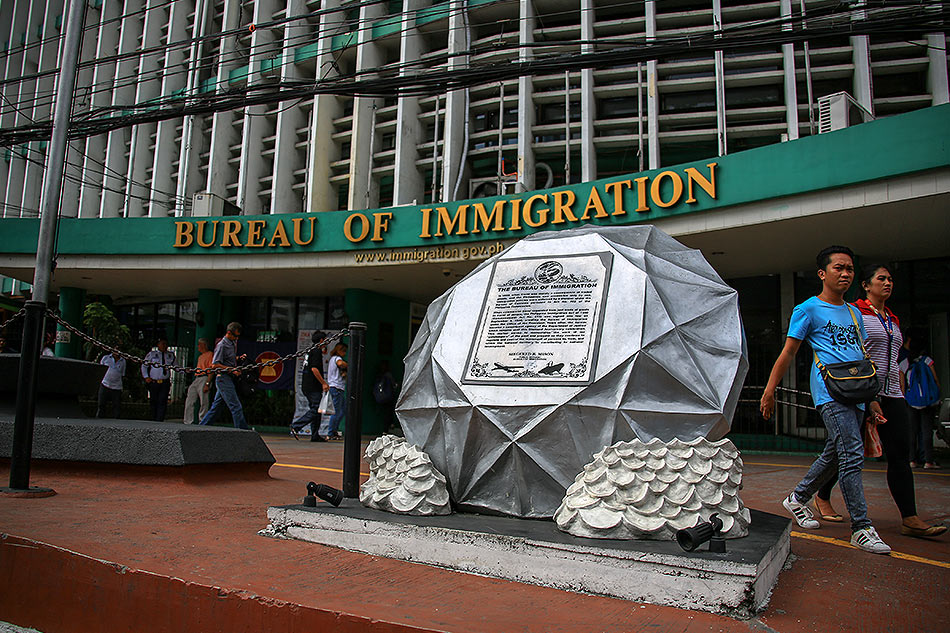
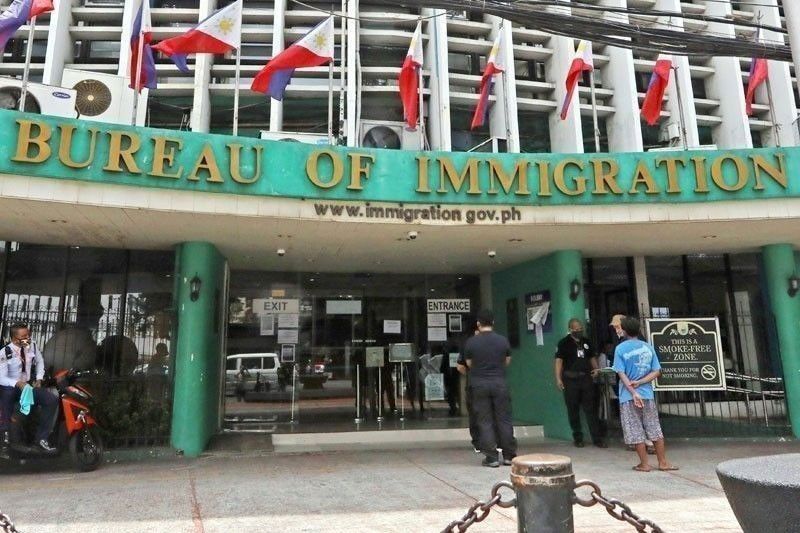
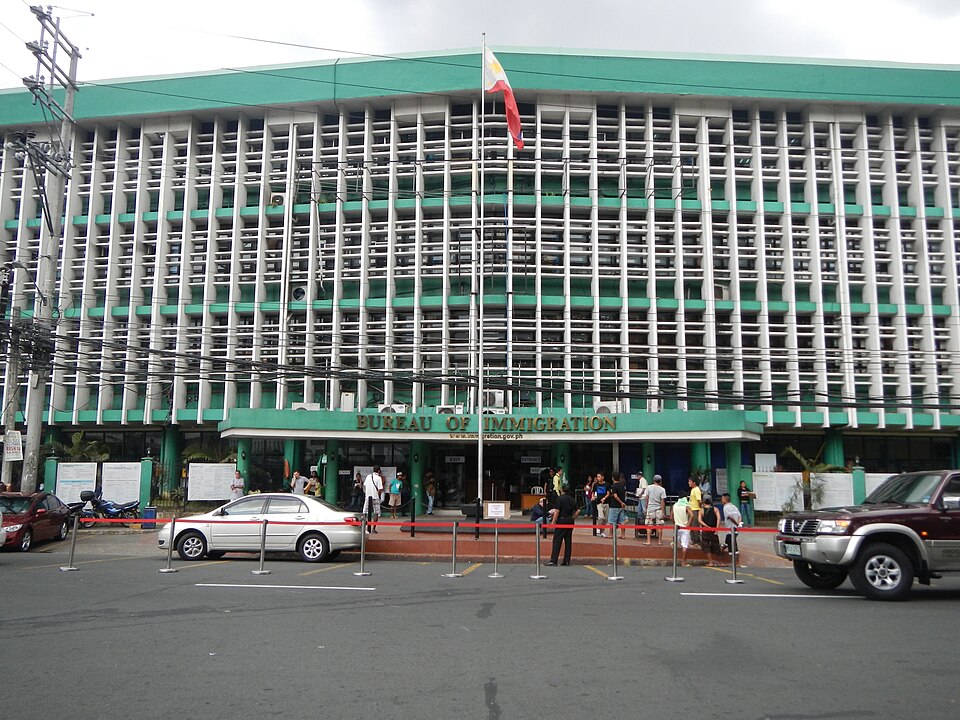
The 9(g) visa is a Pre-Arranged Employment Visa for foreign nationals who plan to work in the Philippines for wages, salary, or other compensation. It is issued by the Bureau of Immigration (BI) based on an approved employment arrangement with a Philippine-based company.
A foreign employee generally needs a Philippine employer to act as the petitioner for the visa. The employer provides supporting documents to show that the employment is lawful and that the foreign national will work for the company.
The 9(g) visa is commonly used by foreign professionals, managers, technical workers, and other employees hired by Philippine companies.
However, employers should understand that the visa does not give a foreign national an unrestricted right to work for any company. The approved employment arrangement matters. If the employee changes employers or the job changes in a way that affects the permit or visa, the company must check the proper process before the employee continues working.
The employer should also confirm whether the foreign worker needs an AEP or qualifies for an exemption or exclusion under DOLE rules.
What Is the Alien Employment Permit (AEP)?
The AEP is a work permit issued by DOLE to covered foreign nationals who intend to engage in gainful employment in the Philippines. It is separate from the 9(g) visa issued by the Bureau of Immigration.
The AEP process helps the government check whether a Filipino worker is available and qualified to perform the job. It also supports the policy of giving Filipino citizens preference in employment opportunities.
For employers, the AEP is an important part of the hiring process. A company should not assume that the foreign employee’s qualifications or job offer automatically removes the need for a permit.
The employer may need to prepare and submit documents such as:
- The foreign employee’s application details.
- Employment contract or appointment documents.
- Company registration and business information.
- Job position and duties.
- Proof of required publication or labor market test.
- Other documents required by DOLE for the specific application.
The exact requirements depend on the application type and the current rules. Certain foreign nationals may qualify for an exemption or exclusion, but the employer should confirm the applicable category and required certificate.
What Are the Main Employer Responsibilities for 9G Visa Holders?
Employers have duties before hiring a foreign employee and throughout the employment relationship. These duties include making sure the employee has the required work authorization, following labor rules, and keeping company and employee records accurate.
1. Confirm That the Foreign Employee Can Legally Work
Before allowing a foreign national to begin work, the employer should check the person’s immigration status and labor authorization.
The company should confirm whether the employee needs an AEP and a 9(g) visa or whether a different permit or exemption applies. It should also make sure that the approved job matches the work the employee will perform.
Employers should not allow a foreign national to begin work based only on a job offer, employment contract, or pending visa application. If a provisional work permit is available for the employee’s situation, it must be obtained before the person works under that authorization.
The company should keep copies of all important documents and make sure they are still valid before the employee starts working.
2. Apply for the Required AEP
For foreign workers who need an AEP, the employer must help them get the required permit. The application must include details about the company, the foreign worker, and the job they will do.
DOLE may review whether Filipino workers are available and qualified for the position. The process may involve job publication and other labor market checks.
Under DOLE Department Order No. 248, Series of 2025, and its supplemental guidelines, employers must follow the current rules for foreign employment. These rules include requirements for the application, supporting documents, and labor market test.
As of June 9, 2026, AEP processing has been centralized at the DOLE Central Office. Regional offices no longer accept and process new or renewal applications under the centralized system.
Employers should check the latest DOLE guidance before filing because the responsible office and procedures may change.
3. Sponsor the 9(g) Visa Application
The Philippine employer acts as the petitioner for the foreign employee’s commercial 9(g) visa application. The company must provide the documents required by the Bureau of Immigration to support the application.
These documents may include:
- The employment contract or appointment.
- Company registration documents.
- Information about the foreign employee’s position.
- A notarized certification of the number of Filipino and foreign employees, when required.
- Other documents listed in the current BI checklist.
The employer should make sure that the submitted information is correct and consistent. Differences in the employee’s job title, salary, company details, or employment terms may lead to questions or delays.
The company should also keep a copy of the application and any approval or notice received from BI.
What Employment Rules Must Employers Follow?
Hiring a foreign employee does not remove the employer’s duties under Philippine labor law. A 9(g) visa holder who is an employee must be treated according to the labor rules that apply to the employment relationship.
1. Provide a Clear Employment Contract
The employment contract should explain the employee’s job, salary, benefits, work schedule, and other important terms.
The contract should match the employment details used in the AEP and visa application. Employers should avoid using vague job descriptions or providing different information in separate documents.
The contract should clearly state:
- The employee’s position and main duties.
- Salary and payment terms.
- Work location.
- Employment period, if applicable.
- Benefits and leave arrangements.
- Conditions for ending employment.
The company should review the contract when employment terms change. Changes that affect the foreign employee’s permit or visa may require additional government action.
2. Pay Salary and Benefits Properly
Employers must follow the labor laws that apply to the employee’s job and work arrangement. This includes paying the correct salary and providing the required benefits and government contributions.
A foreign employee should not be treated as exempt from Philippine labor standards simply because the person holds a 9(g) visa.
The company should check the employee’s classification and applicable rules on wages, working hours, overtime, rest days, leave, and other benefits. It should also review whether the employee is covered by the relevant social insurance and contribution requirements.
Payroll records should be accurate and complete. They may be needed for company audits, labor inspections, or employment-related applications.
3. Follow Workplace Rules and Safety Requirements
Employers must make sure the workplace follows health and safety rules. Foreign workers should also receive the same safety instructions and information given to other employees.
The company should also apply its employment policies fairly and properly. This includes rules on conduct, confidentiality, attendance, performance, and workplace safety.
Employers should keep records of required training and workplace safety measures when applicable.
How Should Employers Handle 9(g) Visa Renewals?
A 9(g) visa is issued for a specific period. If the foreign employee will continue working in the Philippines after the visa expires, the company and employee must prepare for the required extension or renewal process.
Employers should begin reviewing the documents well before the expiration date. Waiting until the last minute may create problems if a document is missing or a government office requests more information.
The employer should check:
- The employee’s current visa expiration date.
- The AEP validity and renewal requirements, if applicable.
- The current BI extension checklist.
- Whether the employee will continue working for the same company.
- Whether the employment contract needs to be renewed or updated.
The employer may need to provide an updated employment contract, company records, employee information, or other documents required by BI.
A visa renewal should not be treated as automatic. The company must confirm that the employee remains eligible and that the required applications are properly filed.
What Happens if a 9(g) Visa Holder Changes Jobs?
A foreign employee’s work authorization is connected to the approved employment arrangement. If the employee changes employers, the new company should not assume that the existing AEP or 9(g) visa can simply be used for the new job.
The new employer should review the requirements for securing the proper work permit and immigration status. The employee may need a new or amended AEP and a new visa application or other BI action, depending on the circumstances.
The former employer should also handle the end of employment properly. This may include updating company records and completing required permit or immigration-related steps.
A change in job title, work location, or duties may also need review if it affects the approved employment details.
Before making changes, employers should:
- Review the employee’s current AEP and visa.
- Confirm whether the new role requires a new permit or visa action.
- Check the current DOLE and BI requirements.
- Avoid allowing work under an authorization that no longer matches the employment.
- Keep records of the change and the related filings.
What Should Employers Do When Employment Ends?
When a foreign employee resigns, is dismissed, or completes the employment arrangement, the employer should properly handle the employment records and any required permit or immigration actions.
The company should not assume that the employee’s 9(g) visa remains valid for work with another employer. The visa is based on the approved employment arrangement.
The employer should review the applicable rules and check whether an AEP cancellation or notice of change is required. DOLE provides forms and guidance for AEP-related changes and cancellation.
The company should also follow Philippine labor law when ending employment. This includes proper documentation, final pay, and other duties that apply to the employee’s situation.
A clear exit process helps prevent confusion about the employee’s status and protects the company’s records.
How Can Employers Keep 9(g) Visa Compliance Records?
Keeping complete records is an important part of employer compliance. Companies should be able to show that their foreign employees have the required documents and that the company has followed the correct process.
Employers should maintain a separate file for each foreign employee. The file may include:
- Passport and immigration documents.
- AEP and related certificates, if applicable.
- 9(g) visa approval and extension records.
- Employment contract and amendments.
- Job description and company details submitted with applications.
- Payroll and employment records.
- Renewal dates and filing confirmations.
- Records of resignation, termination, or changes in employment.
The company should limit access to personal information and handle employee records in line with the Data Privacy Act of 2012.
A simple tracking system can help HR teams monitor expiration dates and prepare renewal documents on time.
Final Perspective
Understanding employer responsibilities for 9G visa holders helps Philippine companies hire and manage foreign employees while following labor and immigration rules. Employers must check the required work permits, support the 9(g) visa application, follow employment laws, and keep employee records updated.
The AEP and 9(g) visa are separate documents, so companies should make sure both requirements are met when applicable. They should also monitor expiration dates and review any changes in the employee’s job or employment status.
By preparing complete documents and following the latest DOLE and Bureau of Immigration requirements, employers can reduce compliance risks and avoid preventable delays. Proper planning also helps foreign employees maintain the correct authorization to work in the Philippines.
Is Assistance Available?
Yes. Hiring foreign employees in the Philippines requires careful attention to labor and immigration rules. Employers must confirm the correct work authorization, prepare supporting documents, and keep permits and visa records updated.
Work Visa Philippines can help companies understand the requirements for AEP applications, 9(g) visa processing, renewals, and employment-related compliance. With proper guidance, employers can prepare documents more carefully and reduce the risk of avoidable delays or mistakes.
Contact us today for an initial consultation:
- Contact Us Here
- Fill Out the Form Below
- Call us at +63 (02) 8540-9623