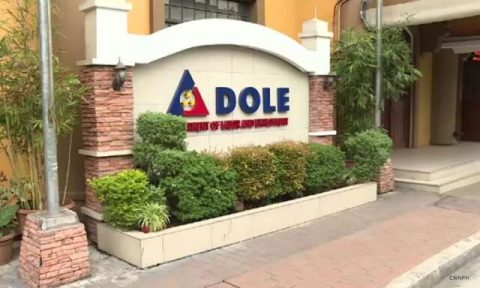
Hiring a foreign national in the Philippines involves more than signing an employment contract. Depending on the nature of the work and the foreign national’s circumstances, the employer may need to secure an Alien Employment Permit (AEP) from the Department of Labor and Employment (DOLE), alongside the appropriate immigration authorization. Understanding the requirements before employment begins helps employers avoid compliance problems and gives foreign professionals a clearer path to working legally in the country.
The DOLE Alien Employment Permit is a labor authorization intended to regulate the employment of foreign nationals while considering the availability of qualified Filipino workers. DOLE Department Order No. 248, Series of 2025, introduced updated rules, followed by supplemental guidelines and further amendments. As of June 9, 2026, DOLE has centralized AEP processing at its Central Office under Department Order No. 248-B, Series of 2026. Employers should therefore check the latest official requirements rather than rely on older application guides.
What Is a DOLE Alien Employment Permit?
Before starting an application, employers and foreign nationals should understand what the permit authorizes and why it is required.
An Alien Employment Permit (AEP) is issued by DOLE to qualifying foreign nationals who intend to engage in gainful employment in the Philippines, subject to applicable rules, exclusions, and exemptions. Article 40 of the Philippine Labor Code provides the legal basis for requiring an employment permit for covered foreign nationals seeking employment in the country.
DOLE assesses whether the proposed employment meets the applicable requirements, including whether a competent, able, and willing Filipino worker is available to perform the relevant services. The assessment also takes into account the foreign national’s qualifications and the applicable labor market rules.
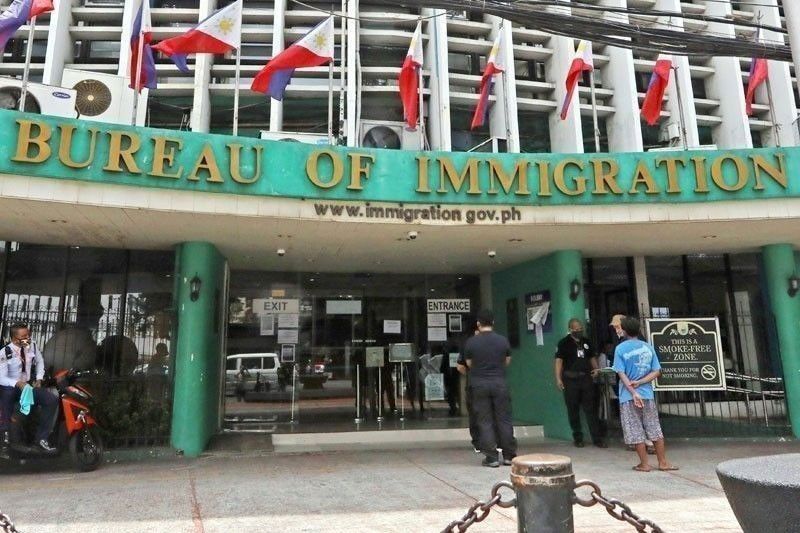
The AEP is not an immigration visa. It addresses the labor authorization aspect of foreign employment, while the Bureau of Immigration (BI) administers immigration permissions such as the 9(g) Pre-Arranged Employment Visa. Depending on the case, a foreign national may need both.
Employers should review DOLE’s official Alien Employment Permit guidance and the applicable department orders for the latest requirements.
Who Needs a DOLE Alien Employment Permit?
Determining whether an AEP is required is an important first step because not every foreign national working or staying in the Philippines follows the same authorization process.
In general, foreign nationals intending to engage in gainful employment in the Philippines need to comply with the AEP rules unless they fall within an applicable exclusion or exemption. The employer also has responsibilities under the rules governing the engagement of foreign workers.
The requirement may be relevant to foreign executives, managers, technical specialists, consultants, and other professionals hired by Philippine-based businesses. However, the specific circumstances of the position and the worker must be assessed before concluding that an AEP is necessary.
Before proceeding, employers should determine:
- Whether the proposed activity constitutes employment or gainful work covered by the rules.
- Whether the foreign national qualifies for an exclusion or exemption.
- Whether a certificate of exclusion or exemption is required.
- Whether the position is subject to professional licensing or other regulatory requirements.
- Which immigration status or visa is appropriate for the intended work.
A foreign national should not assume that a tourist visa, an existing residence document, or permission to enter the country automatically authorizes employment. Similarly, an employer should not assume that a foreign worker is exempt merely because the position is senior, technical, or connected with a foreign-owned company.
What Are the Current AEP Rules in the Philippines?
The AEP framework has changed, so employers should use current regulations instead of treating older checklists as definitive.
DOLE Department Order No. 248, Series of 2025, established updated rules for employing foreign nationals. Department Order No. 248-A, Series of 2025, subsequently clarified and amended certain provisions. Department Order No. 248-B, Series of 2026, introduced further amendments and centralized the relevant AEP functions.
These rules are intended to regulate foreign employment, consider the availability of Filipino workers, and support the transfer of knowledge and skills where required.
Labor market assessment and job publication
The labor market test is a significant part of the AEP process. The assessment considers whether a qualified Filipino worker is available to perform the work for which the foreign national is being hired.
Under the supplemental guidelines in DOLE Department Order No. 248-A, the required job publication is made in a newspaper of general circulation. Posting the vacancy on PhilJobNet and with the relevant Public Employment Service Office (PESO) or Job Placement Office (JPO) is encouraged, but those postings are not a precondition to filing the AEP application under the clarified rules.
Employers should follow the applicable publication requirements carefully and retain supporting evidence. A vacancy announcement should accurately reflect the role being offered and should be consistent with the employment documents submitted for the application.
Economic Needs Test
The 2025 AEP framework also introduced an Economic Needs Test (ENT). This mechanism helps assess the need to employ a foreign national in light of the availability of qualified Filipino workers and other relevant considerations.
Employers should not assume that a foreign candidate’s experience or specialist knowledge automatically guarantees approval. The application must satisfy the applicable criteria and documentary requirements.
Skills transfer and training plans
Certain establishments may be required to submit an Understudy Training Program or Skills Development Program Plan. The supplemental rules identify categories that include certain Foreign Investments Act-registered establishments enjoying fiscal incentives, qualifying public utilities or critical infrastructure operators, and establishments identified as strategic investments.
These obligations are not necessarily identical for every employer. Businesses should confirm whether their establishment falls within a covered category and what supporting documents are required.
Official updates are available through DOLE’s department orders.
What Are the Requirements for a DOLE Alien Employment Permit?
The documents required for an AEP depend on the application type, the foreign national’s circumstances, and the employer. Employers should obtain the current checklist before preparing their submission.
Although a checklist should be verified for each case, the application commonly involves the following categories of information and supporting documents.
1. Application forms and personal identification
The foreign national and employer must provide the prescribed application documents and relevant identification details. The foreign national’s name, passport information, and other personal particulars should be consistent throughout the submission.
Employers should use the current forms issued by DOLE rather than relying on an outdated copy obtained from an unofficial website.
2. Employment contract or appointment documents
The application generally requires evidence of the proposed employment, such as an employment contract or appointment documentation. These records should clearly describe the position, employment terms, and relevant responsibilities.
The job title and actual duties should be consistent across the contract, application form, and supporting employer documents. Unexplained differences can lead to questions or requests for clarification.
3. Employer and establishment documents
DOLE may require documents establishing the identity and legal status of the employer, along with other establishment information specified by the applicable checklist.
The precise requirements can vary depending on the employer’s legal structure and the type of application. A company should therefore verify which registration records, authorizations, or certifications apply to its circumstances.
4. Evidence relating to the position and publication
Employers should prepare the evidence required to demonstrate compliance with the applicable labor market test and job-publication rules. This includes the required newspaper publication and other supporting records specified by DOLE.
Additional documents may be necessary depending on the position, the employer’s circumstances, and the applicable rules.
5. Qualifications and other supporting documents
Documents showing the foreign national’s qualifications, experience, or professional credentials may be relevant to the assessment. The employer should also determine whether the position requires a separate Philippine professional license or authorization.
The above list is a general preparation guide, not a substitute for the current official checklist. DOLE’s AEP page provides access to application forms, checklists, and related documents.
How to Apply for a DOLE Alien Employment Permit
A well-organized application begins with confirming the correct requirements and assigning responsibility for each document. Employers should complete these steps before the foreign national begins work.
Step 1: Confirm whether the AEP is required
First, establish whether the foreign national and proposed employment are covered by the AEP rules. If an exclusion or exemption may apply, check the relevant conditions and whether a formal certificate is necessary.
Do not skip this assessment simply because the worker already holds a Philippine visa or has previously worked in the country.
Step 2: Check the latest official requirements
Review the current DOLE rules and the checklist applicable to the specific application. Confirm the required forms, supporting documents, publication evidence, and any additional establishment-specific requirements.
Because the rules have changed, older online articles may contain superseded instructions.
Step 3: Prepare the employment and employer documents
Collect the employment contract or appointment documents, identification records, employer records, and other required evidence. Check all names, dates, job titles, and employment details for consistency.
Where a document requires certification, authentication, or another formal step, follow the applicable instructions rather than assuming an ordinary copy will be accepted.
Step 4: Complete the applicable publication requirements
Arrange the required publication of the job vacancy in a newspaper of general circulation. Follow the current rules on timing and evidence, and retain copies of the publication and supporting records.
Additional PhilJobNet or PESO/JPO postings may be encouraged under the applicable guidance, but DOLE Department Order No. 248-A clarifies that these postings are not a precondition to filing.
Step 5: File through the current DOLE process
As of June 9, 2026, DOLE has centralized AEP filing, processing, evaluation, approval, issuance, release, adjudication, and enforcement functions at the DOLE Central Office under Department Order No. 248-B, Series of 2026. Regional offices ceased accepting and processing new and renewal AEP applications under the centralized arrangement.
Employers should follow the current Central Office filing instructions and confirm the applicable submission arrangements before lodging an application. Do not assume that a regional office will continue accepting applications under the previous process.
Step 6: Respond to requests and track the application
Monitor communications and respond promptly if DOLE requests clarification or additional documentation. Keep a copy of the submission and records of relevant communications.
An application should not be treated as approved until the appropriate authority has issued the relevant decision or permit. Employers should confirm the worker’s authorization requirements before allowing employment to begin.
How Long Does AEP Processing Take?
Processing time can depend on the application, document completeness, the assessment required, and the procedures in effect when the application is filed.
Employers should avoid relying on a universal processing-time estimate unless DOLE has published one that applies to their specific situation. Missing documents, inconsistent information, publication issues, and requests for clarification can affect the overall timeline.
The employer should begin preparing the application early, particularly where the foreign national’s intended start date depends on several approvals. AEP processing is also separate from the BI’s processing of an immigration visa, so completion of one procedure does not automatically complete the other.
Is the AEP the Same as a 9(g) Employment Visa?
The AEP and the 9(g) visa serve different purposes. Employers must understand the distinction because satisfying one requirement does not automatically satisfy the other.
The AEP is a labor authorization issued under DOLE’s rules. The 9(g) Pre-Arranged Employment Visa is an immigration status administered by the Bureau of Immigration for qualifying foreign nationals coming to the Philippines to engage in lawful employment.
For a typical foreign employee hired by a Philippine-based company, both the labor and immigration requirements may apply. The precise route depends on the foreign national’s circumstances and the relevant legal provisions.
A Provisional Work Permit may be available through the BI while a qualifying 9(g) application is pending. However, it is a separate process and should not be assumed to be automatic. Employers and foreign nationals should confirm whether it applies to their case and obtain the necessary authorization.
An Alien Certificate of Registration Identity Card (ACR I-Card) is also not a substitute for an AEP or work authorization. It serves an immigration registration and identification purpose.
What Should Employers Do After the AEP Is Issued?
Approval is not the end of the employer’s compliance responsibilities. The company should maintain records and review whether changes in the employment relationship affect the permit or other authorizations.
Employers should:
- Keep copies of the AEP and supporting employment records.
- Monitor the permit’s validity and begin renewal preparations when appropriate.
- Check the requirements before changing the foreign national’s employer, position, or employment arrangement.
- Maintain compliance with applicable labor, tax, and social security obligations.
- Confirm whether the foreign national also holds the required immigration status and professional authorization.
- Follow current DOLE instructions on reporting, amendments, cancellation, or other post-issuance obligations that apply to the case.
An existing permit should not be assumed to automatically transfer to a different employer or to a materially different position. Before making a change, the employer should determine whether a new application, amendment, notification, or other procedure is required.
Foreign employees should also ensure that their immigration status remains valid and that their actual work is consistent with the authorizations granted.
Final Thoughts
The DOLE Alien Employment Permit is an important part of Philippine foreign employment compliance. Employers must determine whether an AEP is required, prepare the applicable documents, comply with job publication and labor market rules, and follow the current filing process. DOLE Department Order Nos. 248 and 248-A, Series of 2025, and Department Order No. 248-B, Series of 2026, are particularly relevant to understanding the updated framework and centralized processing arrangement.
The AEP must also be distinguished from immigration permission, such as the 9(g) employment visa. Because the requirements depend on the worker, employer, position, and circumstances, businesses should verify the applicable rules before hiring or changing the employment arrangement of a foreign national.
Is Assistance Available?
Foreign employment procedures can involve several government agencies and separate legal requirements. Work Visa Philippines can assist employers and foreign professionals in understanding the relevant work authorization process, identifying documentation needs, and coordinating the requirements applicable to their circumstances.
For assistance with Philippine work visa and employment permit matters, contact our team of experts:
- Contact Us Here
- Fill Out the Form Below
- Call us at +63 (02) 8540-9623