Hiring a foreign employee can help a Philippine business access specialized expertise, strengthen international operations, and fill a role that requires skills or experience not readily available locally. However, employers must consider more than a candidate’s qualifications and employment contract. They must also determine whether the position requires a labor permit, an appropriate immigration visa, and any additional professional or regulatory authorization.
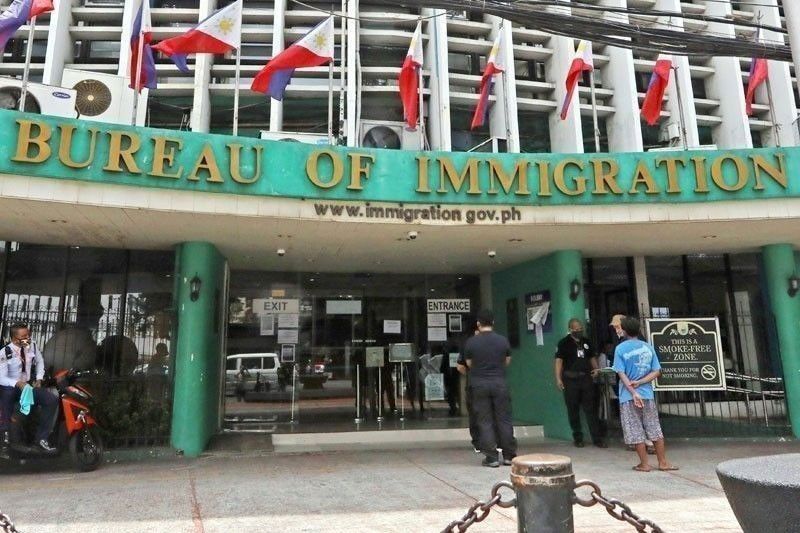
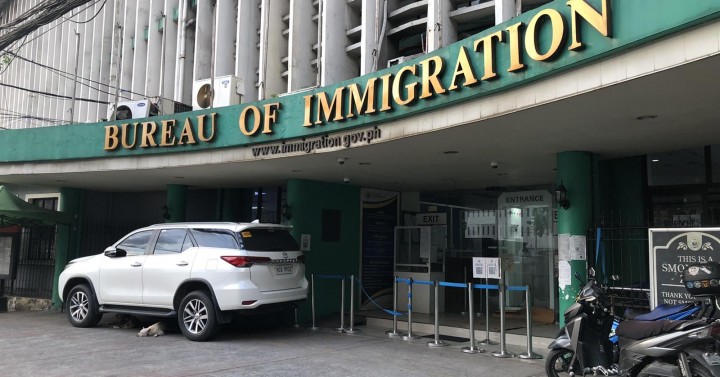
Businesses planning to hire a foreign employee should understand the Philippine government’s requirements before allowing the individual to begin work. The Department of Labor and Employment (DOLE) regulates Alien Employment Permits (AEPs), while the Bureau of Immigration (BI) administers employment-related immigration permissions, including the 9(g) Pre-Arranged Employment Visa.
The rules have also changed in recent years. DOLE Department Order No. 248, Series of 2025, established updated rules for employing foreign nationals, followed by supplemental guidelines and amendments. Effective June 9, 2026, AEP processing was centralized at the DOLE Central Office. Employers should therefore verify current requirements before starting a recruitment or relocation plan.
When Can a Philippine Business Hire a Foreign Employee?
Before recruiting overseas, employers should determine whether the role can legally be filled by a foreign national and which authorizations the position requires.
Philippine businesses may hire foreign nationals for qualifying employment, but the hiring arrangement must comply with applicable labor, immigration, and professional regulations. Foreign ownership of a business does not automatically remove these obligations, nor does a senior job title automatically exempt a foreign employee from permit requirements.
Foreign employees may be considered for management, technical, advisory, specialist, or other positions, depending on the employer’s needs and the applicable legal requirements. The employer must still establish the basis for the proposed engagement and satisfy the relevant application criteria.
Before making an offer, employers should assess:
- The duties and qualifications required for the position.
- Whether a qualified Filipino worker is available to perform the work in accordance with applicable labor market rules.
- Whether the foreign national requires an AEP or qualifies for an exclusion or exemption.
- Which immigration visa or permission is appropriate.
- Whether the occupation requires a Philippine professional license.
- Whether the employer is legally established and able to sponsor or petition for the relevant immigration application.
This preliminary review can help businesses avoid offering a start date that cannot be met because work authorization remains pending.
What Is an Alien Employment Permit?
The Alien Employment Permit is a central part of the process for many employers bringing foreign nationals into their workforce. Understanding its purpose helps businesses distinguish labor authorization from immigration permission.
Under Article 40 of the Philippine Labor Code, covered foreign nationals seeking employment in the Philippines must obtain the required employment permit. The AEP is issued by DOLE following the applicable assessment, including consideration of whether a competent, able, and willing Filipino worker is available to perform the proposed work.
The AEP process is governed by current DOLE rules, including Department Order No. 248, Series of 2025, its supplemental guidelines, and subsequent amendments. Employers should check the rules and official checklist that apply to the particular worker and position.
An AEP is not a visa. It addresses the labor authorization aspect of employment, while immigration permission determines whether the foreign national may enter, stay, or work in the Philippines under the relevant immigration category.
Some foreign nationals may fall within an exclusion or exemption under the rules. Employers should verify the specific legal basis and determine whether a certificate of exclusion or exemption is required rather than assuming that a permit is unnecessary.
Which Work Visa Does a Foreign Employee Need?
After determining the labor permit requirements, the employer must identify the appropriate immigration route. The correct visa depends on the nature of the work, the employment arrangement, and the foreign national’s circumstances.
The 9(g) Pre-Arranged Employment Visa
For many foreign nationals hired by a Philippine-based company for ongoing employment, the 9(g) Pre-Arranged Employment Visa is the relevant employment visa to assess.
The BI describes the commercial 9(g) category as applying to foreign nationals proceeding to the Philippines to engage in a lawful occupation for wages, salary, or other compensation. A Philippine-based company petitions for the foreign employee’s visa.
The employer should prepare the employment and corporate documents required under the current BI checklist and coordinate the immigration application with the labor authorization process. Approval is not automatic merely because a company has offered a job.
The visa may be issued for one, two, or three years, depending on the applicable rules and the employment arrangement approved by the BI. Employers should confirm the approved validity and renewal requirements rather than relying on assumptions.
Provisional Work Permit and Other Work Arrangements
A Provisional Work Permit (PWP) may be available through the BI for an eligible foreign national while a qualifying 9(g) application is pending. It involves a separate application and should not be treated as automatic authorization.
A Special Work Permit may be relevant for certain temporary or specialized work activities, depending on the circumstances and applicable BI rules. It is not a universal substitute for the employment visa required for an ongoing position.
Employers should describe the actual work arrangement accurately when seeking guidance. A short assignment, a long-term employment contract, and remote work for an overseas employer may raise different legal questions.
What Documents Should Employers Prepare?
A complete application starts with consistent employment, company, and personal records. The exact checklist varies according to the permit or visa being sought, so employers should verify the current requirements before filing.
Employment documents
Employers should prepare the relevant employment contract, appointment documentation, and information about the proposed position. These records should accurately state the job title, responsibilities, compensation, and employment terms where required.
The position described in the contract should match the role the foreign national will actually perform. If the duties or employment arrangement change, the employer should check whether the existing authorization remains appropriate.
Company documents
The employer may need to submit corporate registration records and other documents establishing its legal identity and authority to employ the foreign national. The BI’s 9(g) checklist includes a notarized certification stating the number of Filipino and foreign employees, among other applicable documents.
The exact requirements depend on the application and the employer’s circumstances. Businesses should not assume that a single corporate-document checklist applies to every foreign employee or company structure.
Foreign employee documents
The foreign national will need to provide the personal identification and supporting documents required by the relevant agencies. Depending on the case, these may include passport information, application forms, qualification records, and other documents specified in the official checklist.
Documents should be reviewed for consistency before filing. Differences in names, dates, job titles, or employment details can lead to questions and additional processing.
Publication and labor market evidence
The AEP process includes applicable labor market assessment and job-publication requirements. Under the supplemental DOLE guidelines, publication in a newspaper of general circulation is required. Posting on PhilJobNet and with a Public Employment Service Office (PESO) or Job Placement Office (JPO) is encouraged but is not a precondition to filing under the clarified rules.
Employers should retain the required publication evidence and confirm whether other requirements, such as an applicable training plan, apply to their establishment.
How to Hire a Foreign Employee: The Application Process
Employers can reduce avoidable delays by following a structured process and checking the current requirements at each stage. The order and timing of specific filings may depend on the case, so the process should be coordinated rather than treated as a guaranteed sequence.
Step 1: Define the position and assess eligibility
Start by documenting the role, duties, required qualifications, and reason for recruiting a foreign national. Consider whether a qualified Filipino worker may be available under the applicable labor market rules.
At this stage, determine whether the role requires an AEP, whether a recognized exclusion or exemption might apply, and which immigration route is appropriate.
Step 2: Verify the employer’s readiness
Confirm that the hiring company can provide the necessary corporate and employment documents. If the employer is newly established or foreign-owned, review whether its business registration and operating arrangements support the intended hiring structure.
Business registration and work authorization are separate matters. A company’s right to operate does not, by itself, authorize a foreign national to work without the required approvals.
Step 3: Prepare the AEP application
Review the latest DOLE checklist and prepare the application, employment records, publication evidence, and other supporting documents that apply. Check whether the employer falls within a category that requires an Understudy Training Program or Skills Development Program Plan.
Submit the application through the current centralized DOLE process. Since June 9, 2026, the DOLE Central Office has handled AEP filing, processing, evaluation, approval, issuance, release, adjudication, and enforcement functions. Regional offices no longer accept or process new and renewal AEP applications under this arrangement.
Step 4: Coordinate the immigration application
Determine the appropriate BI process, such as an eligible 9(g) application, and prepare the documents required by the BI. Coordinate the immigration and labor requirements so that the foreign employee does not begin work before the necessary authorizations are in place.
If a PWP may be available while a qualifying 9(g) application is pending, confirm eligibility and the separate application requirements with the BI.
Step 5: Confirm authorization before the start date
Do not treat a submitted application, an offer letter, or an appointment as proof that the foreign national is authorized to work. Verify the status of each required permit or visa and ensure that the employee’s actual role is consistent with the authorization granted.
Keep copies of the approvals and the relevant employment records for future compliance checks.
How Long Does It Take to Hire a Foreign Employee?
The total timeline depends on document readiness, the applicable labor assessment, the immigration process, and the circumstances of the application.
The BI states that commercial 9(g) processing usually takes around 40 days when documentary requirements are complete, depending on applicant volume. This is a general estimate for that visa process, not a guaranteed completion date for every case. It also does not represent the total time needed to complete the AEP and other requirements.
Employers should plan for the possibility of additional questions, document corrections, or other procedural requirements. It is prudent to begin preparations well before the intended start date and avoid promising that the employee can start on a particular day until the relevant authorization has been confirmed.
What Must Employers Do After Hiring a Foreign Employee?
Compliance continues after approval. Employers must monitor the employee’s status and ensure that changes to the employment relationship are handled correctly.
Important responsibilities include:
- Monitoring the validity of the AEP and applicable immigration status.
- Preparing renewals or extensions within the required period.
- Checking requirements before changing the employee’s employer, position, or employment arrangement.
- Maintaining accurate employment and company records.
- Complying with applicable labor standards, payroll, tax, and statutory contribution requirements.
- Confirming whether the employee needs a separate professional license or sector-specific authorization.
- Following applicable DOLE and BI procedures if employment ends.
An existing AEP or employment visa should not be assumed to automatically transfer to a different employer or a materially different role. Employers should check whether a new application, amendment, notification, or other procedure is necessary before implementing the change.
Foreign nationals must also comply with applicable immigration obligations. An Alien Certificate of Registration Identity Card (ACR I-Card), where required, is an immigration registration document and does not replace work authorization. DOLE has expressly reminded employers that an ACR and an AEP serve different purposes.
Final Insights
To hire a foreign employee in the Philippines, businesses should assess the role, confirm the applicable labor and immigration requirements, prepare accurate documents, and allow enough time for government processing. The AEP is an important requirement for many foreign employees, while the 9(g) Pre-Arranged Employment Visa is a common immigration route for qualifying long-term employment.
The correct procedure depends on the foreign national, employer, position, and nature of the work. Because DOLE’s AEP rules and processing arrangements have changed, employers should rely on current government guidance rather than outdated checklists or informal assumptions.
Is Assistance Available?
Hiring a foreign national can involve separate applications, employer documentation, labor market requirements, and immigration procedures. Work Visa Philippines can help employers and foreign professionals understand the relevant work authorization process and identify the requirements that apply to their circumstances. Contact us today for an initial consultation:
- Contact Us Here
- Fill Out the Form Below
- Call us at +63 (02) 8540-9623