Foreign nationals who plan to work in the Philippines often need help with visa applications, work permits, extensions, and other immigration requirements. These processes involve government forms, supporting documents, fees, and deadlines. For this reason, some foreign workers and Philippine employers hire an agency or immigration service provider to assist them.
However, not every business that offers immigration processing has the right experience or authority to handle these matters. Some providers only help with basic paperwork. Others may have the proper Bureau of Immigration (BI) accreditation or legal staff who can handle more complex cases. There are also businesses that make false promises to collect money from applicants.
Before hiring an immigration service provider, foreign nationals and Philippine employers should understand what the provider can legally do, how to check its credentials, and what a proper service arrangement should include.
What Does Immigration Processing Cover in the Philippines?
Immigration processing refers to the steps involved in applying for or maintaining a foreign national’s legal status in the Philippines. These steps depend on the person’s reason for staying in the country and the type of visa or permit required.
For foreign workers, the process may involve several government offices. The Bureau of Immigration handles visas and immigration matters, while the Department of Labor and Employment (DOLE) handles Alien Employment Permit applications and related labor requirements.
Common immigration services for foreign workers include:
- Applying for a 9(g) Pre-Arranged Employment Visa.
- Extending an existing 9(g) visa.
- Applying for a Provisional Work Permit when qualified.
- Processing a Special Work Permit for eligible temporary work activities.
- Handling visa downgrading when employment ends or a worker changes status.
- Updating immigration records when required.
- Processing dependent visas for eligible family members.
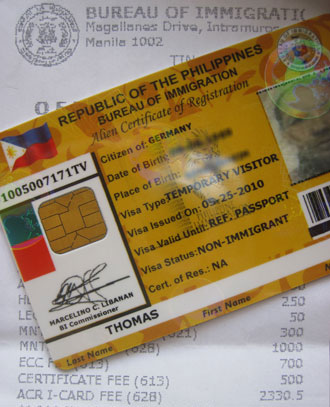
- Assisting with Alien Certificate of Registration (ACR I-Card) matters.
- Preparing documents for other immigration applications.
Not every case requires the same documents or steps. A foreign employee applying for a first 9(g) visa has different requirements from someone renewing an existing visa or dealing with an overstay.
A reliable service provider should first understand the applicant’s situation before giving a list of requirements or quoting a service fee.
Why Should You Check an Immigration Processing Agency?
Hiring an immigration agency can save time, but it does not remove the applicant’s responsibility to provide correct information and follow Philippine law. The agency must also be clear about the work it is allowed to perform.
The main risk is assuming that a registered business is automatically qualified to handle every immigration matter. Business registration and government accreditation are different things.
A company may be registered with the Securities and Exchange Commission (SEC) or the Department of Trade and Industry (DTI). This helps confirm that the business exists under a registered name. However, it does not automatically prove that the company is accredited by the BI or qualified to provide legal advice.
The BI maintains an accreditation system for certain entities and their representatives or liaison officers. Its official website lists accredited consultancies, corporations, law offices, travel agencies, and other organizations.
Applicants should check whether the provider’s claimed authority matches the service being offered. This is especially important when the agency says it can represent a foreign national before the BI.
How Can You Verify an Immigration Processing Agency?
Checking an agency before paying is a basic step in protecting your documents and money. You do not need to rely only on the agency’s website or social media pages. Ask for details that you can compare with official records.
1. Ask for the Agency’s Full Registered Name
Start by identifying the business that will handle your application. The name used in advertisements may be different from its legal business name.
Ask for the following information:
- Full registered business or corporate name.
- SEC registration details or DTI business name registration.
- Complete office address.
- Business permit, where applicable.
- Official email address and contact numbers.
- Name and position of the person handling your case.
- Written service agreement.
Check that the name on the agreement, invoice, and payment instructions matches the business you are dealing with. If the agency uses several names without explaining the relationship between them, ask for clarification.
A real office and business registration are useful starting points, but they do not prove that the provider has BI accreditation or legal authority to perform every service.
2. Check the Agency’s BI Accreditation
If the provider claims to file immigration applications through an accredited representative or liaison officer, ask for proof of that accreditation.
The BI has a specific process for accrediting representatives and liaison officers of consultancies and corporations. Its published requirements include an application form, supporting documents, an affidavit of undertaking, and payment of the applicable accreditation fee and cash bond.
You can also check the BI’s official Accredited Entities page. It provides lists of consultancies, corporations, law offices, travel agencies, and other accredited organizations.
Ask the agency these questions:
- Is the company included in the relevant BI accreditation list?
- Is the person handling the application an accredited representative or liaison officer?
- Can the agency show its current accreditation documents?
- Is the representative authorized to handle the specific transaction?
Do not accept a verbal claim that the agency has a special connection inside the BI. Ask for documents and verify them through official BI channels.
3. Confirm Whether Legal Advice Comes From a Qualified Lawyer
Some immigration cases involve more than document preparation. An applicant may need legal advice about a visa denial, deportation order, blacklist record, overstay, or change in immigration status.
In these situations, ask who will provide the legal advice and handle the case. A person who offers legal representation in the Philippines should be a lawyer admitted to the Philippine Bar and in good standing.
An agency may provide administrative assistance, organize records, and help with routine filing tasks. However, applicants should not assume that every employee of an immigration consultancy is qualified to provide legal advice or represent them in legal proceedings.
If a provider claims that a lawyer will handle the case, ask for the lawyer’s full name and verify the person’s professional standing through appropriate official channels.
What Should a Reliable Immigration Processing Service Include?
A good provider should explain what it will do, what it needs from the applicant, and what remains the responsibility of the applicant or employer. Clear terms help prevent disputes during the application.
The exact service depends on the case, but a proper arrangement should cover several important areas.
1. Initial Review of the Immigration Case
Before accepting payment, the provider should review the applicant’s current status and reason for staying in the Philippines.
For example, a foreign national who has a job offer from a Philippine company may need a 9(g) visa. Someone whose employment has ended may need advice on the proper next step for their immigration status.
The agency should ask relevant questions about the applicant’s passport, current visa, employment, employer, and previous immigration history. It should not recommend a visa category without understanding the facts.
2. A Clear List of Documents
The provider should explain which documents are required and why they are needed. For a 9(g) application, the list may include passport records, employment documents, company records, and other supporting papers under the current BI checklist.
The employer may also need to provide documents to support the foreign worker’s application.
Applicants should receive a clear list rather than a vague instruction to submit every personal document they have. If a document is not available, the agency should explain whether an alternative is accepted by the relevant government office.
3. A Written Explanation of Fees
Immigration processing may involve government fees and private service fees. These should be listed separately.
Ask for a written breakdown that identifies:
- BI filing and government charges.
- DOLE permit fees, if applicable.
- ACR I-Card charges, where required.
- Professional or agency service fees.
- Other expenses, such as document preparation or courier charges.
Government fees can change. Applicants should check the current official schedule instead of relying on an old quotation or a price shared in a social media post.
4. Copies of Submitted Documents
Applicants should know what has been filed on their behalf. A reliable provider should be able to give copies of application forms, supporting documents, payment receipts, and available filing records.
These records are useful if the applicant needs to follow up with the government office, change service providers, or respond to a request for additional documents.
5. Regular Application Updates
The agency should explain how it will provide updates and who the applicant can contact.
It should not promise an approval date that it cannot control. Government processing depends on the type of application, the completeness of the documents, and the actions required by the relevant office.
What Should Employers Know About Immigration Processing for 9(g) Visas?
Employers hiring foreign nationals should take an active role in the visa process. The 9(g) Pre-Arranged Employment Visa is based on an employment arrangement with a Philippine-based employer that acts as the petitioning party.
The BI identifies the 9(g) visa as the relevant category for foreign nationals coming to the Philippines for lawful employment. The employer and employee must provide the documents required for the application.
Employers should not leave every decision to an outside agency. They remain responsible for checking that the foreign worker’s job arrangement and immigration status meet the applicable requirements.
Before starting the process, employers should:
- Confirm the foreign worker’s position, duties, and employment terms.
- Review whether the job requires an Alien Employment Permit or qualifies for an exemption or exclusion under DOLE rules.
- Prepare the company and employment documents required for the visa application.
- Confirm that the selected visa category matches the worker’s actual activities.
- Review the application before it is submitted.
- Keep copies of approvals, permits, and filing records.
- Monitor expiry dates and required renewals.
A private agency can help organize and submit documents where authorized, but it cannot replace the employer’s role as the petitioner or the government’s authority to decide the application.
Employers should also avoid allowing a foreign employee to work based only on a tourist visa or an unapproved application. If a Provisional Work Permit may apply while a 9(g) application is pending, the employer should confirm the requirements and secure the proper approval before the employee begins work.
Red Flags to Watch for Before Paying an Agency
A provider may look professional but still use practices that put applicants at risk.
Be careful if an agency:
- Guarantees that a visa will be approved.
- Claims to have special contacts who can bypass normal BI procedures.
- Refuses to provide its registered business name or office address.
- Cannot show proof of accreditation when it claims to be BI-accredited.
- Asks for payment to an unrelated personal bank or e-wallet account without a clear reason.
- Refuses to issue an invoice or official receipt.
- Does not provide a written service agreement.
- Gives a fee quotation without explaining what it covers.
- Asks the applicant to submit false employment records or other fake documents.
- Tells the foreign national to hide information from immigration officers.
- Keeps an original passport without a clear reason or written acknowledgment.
- Refuses to provide copies of documents filed on the applicant’s behalf.
A promise of guaranteed approval is a serious warning sign. Only the relevant government authority can approve or deny an immigration application. An agency can help prepare a case, but it cannot control the final decision.
How Can You Protect Your Passport and Personal Information?
Immigration applications require personal information, so applicants should take care when sharing documents. Passports, birth certificates, marriage records, financial papers, and employment records can be misused if they reach the wrong person.
Before handing over original documents, ask why they are needed and how long the agency will keep them. Request a written acknowledgment that lists each original document received.
You should also:
- Send documents through the agency’s verified contact details.
- Avoid sharing passwords, one-time passwords, or account access codes.
- Keep digital copies of your passport and application records.
- Ask who can access your personal documents.
- Request information about how the agency stores and protects your records.
- Ask for the return of original documents when they are no longer needed.
The Data Privacy Act of 2012 applies to the handling of personal information in the Philippines. Service providers should have a proper reason for collecting personal data and should handle it responsibly.
Do not sign blank forms or documents that contain information you have not checked. Review every application before it is filed.
What Can You Do If an Immigration Agency Mishandles Your Application?
If an agency fails to provide the service promised, gives false information, or refuses to return your documents, keep a record of what happened. Do not rely only on phone calls or verbal promises.
Collect copies of the following:
- Service agreement and written quotation.
- Invoices, official receipts, and payment records.
- Emails, messages, and other written communication.
- Copies of application forms and supporting documents.
- Filing receipts or transaction records.
- Written requests for updates or document returns.
- Any messages containing promises about approval or processing time.
The next step depends on the type of complaint. You can contact the BI if the issue involves a claimed accreditation or an immigration application. If it is a consumer complaint, you can report it to the proper consumer protection office. For suspected fraud, you may need help from law enforcement or a lawyer.
If the matter involves a lawyer’s professional conduct, use the proper channels for a complaint against a lawyer. If personal information was improperly handled, the National Privacy Commission may be relevant.
Applicants should avoid paying more money simply because an agency threatens to delay the return of documents or claims that an extra payment will guarantee approval.
Next Steps
Immigration processing can be easier to manage when foreign nationals and Philippine employers work with a reliable service provider. However, choosing an agency requires more than checking its website, office, or business registration.
Applicants should check the provider’s identity and confirm whether they have BI accreditation when required. They should also make sure that anyone giving legal advice has the proper qualifications. Ask for a written agreement that clearly lists all fees. Keep copies of every document you submit, and make sure your passport and personal information are safe.
For employers, proper immigration processing also means checking the foreign worker’s visa and labor permit requirements before allowing the person to work. An agency can provide support, but it cannot replace the responsibilities of the employer or the authority of the BI and DOLE.
Taking time to verify a provider before paying can help prevent avoidable delays, financial loss, and immigration problems.
Is Assistance Available?
Work Visa Philippines assists foreign nationals and Philippine employers with work visa applications and related immigration requirements. Whether you need help with a 9(g) visa, a work permit, a visa extension, or another immigration matter, understanding the correct process is an important first step.
Contact us today for a consultation:
- Contact Us Here
- Fill Out the Form Below
- Call us at +63 (02) 8540-9623