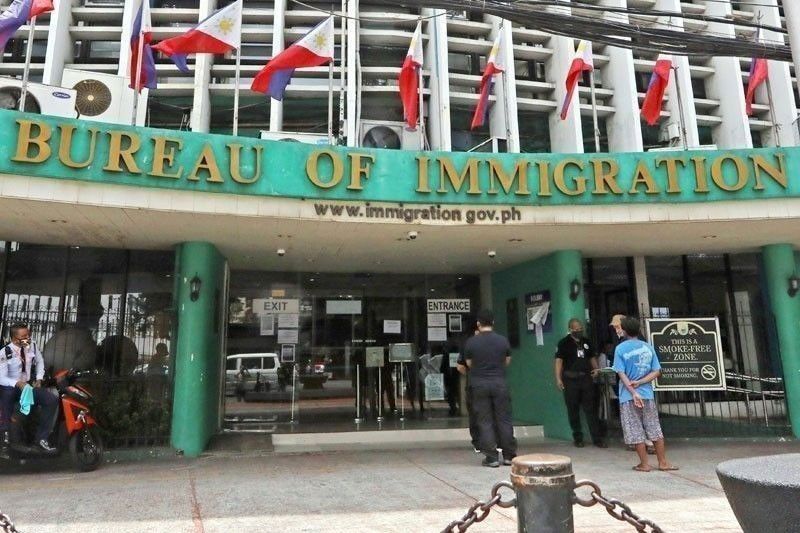
Having a 9G visa denied can be stressful for a foreign employee and the Philippine company sponsoring the application. However, a denial does not necessarily mean that the foreign national can never work in the Philippines. The appropriate next step depends on why the application was denied, which government agency made the decision, and whether the underlying problem can be corrected.
The Philippine 9(g) Pre-Arranged Employment Visa is administered by the Bureau of Immigration (BI) for foreign nationals coming to the Philippines to engage in lawful employment for wages, salary, or other compensation. The application is supported by employer and employment documents, and labor authorization requirements may also apply.
When a 9G visa is denied, the applicant and employer should therefore avoid immediately resubmitting the same documents again. The better approach is to identify the exact reason for the adverse decision, determine whether the problem concerns the employee, the employer, the position, or the supporting permits, and then select the appropriate remedy.
First, Confirm What Was Actually Denied
Before deciding what to do after a 9G visa denied decision, establish which part of the application failed. Not every problem encountered during processing is a formal visa denial.
A Philippine employment application may involve both the Department of Labor and Employment (DOLE) and the Bureau of Immigration. These agencies perform different functions.
DOLE is responsible for the Alien Employment Permit (AEP), while BI handles immigration matters involving the 9(g) visa. A problem with an AEP is therefore not automatically a 9(g) visa denial.
Similarly, an application may be returned because documents are incomplete or additional information is requested. This is different from a formal decision refusing the visa.
The first step should be to obtain and review the actual notice, order, or written instruction associated with the application.
Check:
- Which agency issued the document
- Whether it says the application was denied, returned, or requires additional documents
- The specific ground stated by the agency
- The date of the decision or notice
- Whether the document identifies a period for filing a response or other remedy
- Whether the applicant’s existing immigration status is affected
This distinction matters because the appropriate response depends on the agency and stage involved.
Understand Why a 9G Visa May Be Denied
A 9(g) visa application depends on the foreign worker, the Philippine employer, the proposed employment, and the supporting regulatory documents, presenting a consistent case. BI’s current 9(g) service information requires a complete documentary submission and identifies the Philippine employment relationship as the basis for the commercial visa.
A denial may therefore result from problems involving several areas.
Employer Documentation
The Philippine employer is an important part of the 9(g) visa application. Corporate registration records, employment documents, certifications, and other supporting records must accurately establish that the company exists and is sponsoring the foreign employee for legitimate employment.
Problems can arise when company documents are outdated, inconsistent, incomplete, or do not adequately support the position being offered.
Employment Contract and Position
The employment contract should be consistent with the application and other supporting documents.
For example, the job title, duties, compensation, employment period, and employer identified in the application should not conflict with the information appearing in corporate records or labor-related documents.
An unexplained difference between the position stated in the contract and the position described elsewhere can create unnecessary questions during assessment.
AEP or Other Labor Authorization Issues
A 9(g) visa and an AEP are different authorizations.
The AEP is a labor authorization administered by DOLE, while the 9(g) is an immigration visa administered by BI. Consequently, correcting a 9(g) application does not automatically resolve an AEP problem.
This distinction is particularly important under the current rules. Since June 9, 2026, DOLE has centralized the functions of filing, processing, evaluation, approval, issuance, release, adjudication, and enforcement functions for AEPs at the DOLE Central Office. Regional offices ceased accepting and processing new and renewal AEP applications.
If the underlying issue is actually an AEP refusal or deficiency, the employer should address that issue through the appropriate DOLE process rather than treating it solely as a BI visa problem.
Applicant-Specific Issues
The foreign employee’s own records can also affect an application. Passport information, immigration history, employment credentials, and other personal documentation should be consistent throughout the application.
The applicant should not assume that because the employer’s documents are correct, the 9(g) will automatically be approved.
Determine Whether the Problem Can Be Corrected
Once the reason for the denial is established, classify the problem before deciding on the next filing.
A useful distinction is between a documentary or procedural problem and a substantive problem.
A documentary problem may involve:
- Missing supporting documents
- Incorrect or outdated company records
- Inconsistent information between documents
- Incorrect forms or signatures
- An employment document that does not match the proposed position
- Failure to provide a document requested by BI
- Incomplete supporting evidence
These issues may be capable of correction.
A substantive problem is more significant. It may concern whether the proposed employment, employer, position, or applicant actually satisfies the requirements for the visa. In such circumstances, simply replacing one document may not solve the underlying problem.
The objective should be to correct the reason for the refusal rather than merely make the next application look different.
Consider Reconsideration When the Decision Appears Incorrect
If the applicant and employer believe that BI reached an incorrect conclusion, they should determine whether a Motion for Reconsideration or another available administrative remedy is appropriate.
Do not assume that every 9(g) denial automatically follows the same appeal procedure or that the same deadline applies to every immigration decision. The remedy depends on the actual decision issued by BI and the applicable rules and instructions.
The denial document should therefore be reviewed carefully before preparing a motion.
A strong reconsideration submission should address the actual reason for the adverse decision. It should explain why the decision should be reconsidered and identify the evidence supporting that position.
For example, if the decision appears to have resulted from an overlooked document, the submission should identify that document and explain its relevance. If the agency misunderstood a material fact, the applicant should provide clear evidence correcting the record.
A reconsideration request should not simply reproduce the original application without addressing the stated grounds.
Because immigration decisions can involve procedural and legal issues, applicants facing a formal denial should consider obtaining advice from a Philippine immigration lawyer or qualified professional before filing a remedy.
Reapply Only After Fixing the Underlying Problem
Reapplying may be appropriate when the denial resulted from a problem that can be genuinely corrected.
However, submitting the same application again without addressing the stated ground is unlikely to solve the problem.
Before a new filing, the employer and foreign employee should conduct a complete review of the previous application.
1. Review the Denial
Start with the written reason for the refusal. Avoid relying solely on verbal explanations or assumptions about what happened during processing.
2. Audit the Employer File
Review corporate registration documents, business permits, employment records, financial and tax documents, signatory authority, and other materials relevant to the current BI checklist.
3. Review the Employment Arrangement
Confirm that the job title, duties, compensation, employment period, and contract information are consistent across the application.
4. Check the Labor Authorization
Determine whether the employee requires an AEP or qualifies for an applicable exemption or exclusion. If an AEP issue caused or contributed to the problem, address it with DOLE before treating the matter as resolved.
5. Reconcile the Entire Application
The revised filing should tell one consistent story about the employer, employee, position, compensation, and regulatory approvals.
BI’s published 9(g) requirements include a complete documentary checklist, application forms, and a notarized certification concerning the number of foreign and Filipino employees. The Bureau may also require additional supporting documents depending on the case.
Do Not Ignore the Applicant’s Immigration Status
A 9G visa denied decision can create a separate issue if the foreign national is already in the Philippines.
The applicant should determine how much lawful stay remains and whether another immigration action is necessary. Waiting indefinitely for a reconsideration, new application, or employer decision without checking the person’s authorized stay can create additional immigration problems.
BI’s current visa procedures also emphasize checking application status and complying with requirements for visa implementation, including passport and authorized-stay requirements applicable to the transaction.
The applicant should therefore establish:
- The current immigration status
- The authorized period of stay
- Whether the 9(g) application is still pending or formally denied
- Whether a departure, extension, downgrading, or another immigration action is required
- Whether the employer intends to continue sponsoring the employee
These questions should be resolved promptly rather than after the authorized stay has expired.
Remember That an ACR I-Card Is Not a Work Permit
Another common misunderstanding is treating the ACR I-Card as proof that a foreign national is authorized to work.
The ACR I-Card is an immigration registration and identification document. It does not replace the labor authorization required for covered foreign employment.
Likewise, obtaining an AEP does not itself create a 9(g) visa. The two requirements serve different regulatory purposes.
This distinction becomes especially important when an application fails. If the 9(g) is denied but the applicant continues working because the person has an ACR I-Card or another immigration document, the employer may create a separate compliance problem.
Foreign employees should only perform work in the Philippines when the required immigration and labor authorizations are in place.
Changing Employers Does Not Automatically Solve a Denial
A foreign worker whose 9(g) application was denied may wonder whether a different Philippine employer can simply submit a new petition.
Changing employers is not a guaranteed solution.
The new employer would need to establish its own eligibility and employment relationship, while the foreign national’s immigration status and previous application history still need to be handled correctly.
The 9(g) is tied to the approved employment arrangement. BI’s current service description distinguishes conversion for foreign nationals entering qualifying employment from extension for existing 9(g) holders continuing employment in the Philippines.
A change in employer can therefore require a new immigration process rather than a simple transfer of the existing visa.
Before changing employers as a response to a denial, determine whether the original problem was employer-specific, employee-specific, or related to the position itself.
Prepare a Complete 9G Reapplication File
Once the appropriate remedy has been selected, the employer and employee should prepare the next submission systematically.
The file should generally be reviewed against the latest BI checklist rather than an old checklist downloaded from another website.
The review should cover:
- Current BI application forms
- Valid passport and immigration records
- Employer corporate documents
- Employment contract
- Job title and duties
- Compensation details
- Required employee certifications
- Foreign and Filipino employee headcount certification
- AEP or applicable certificate of exemption/exclusion
- Supporting business and tax documents
- Any documents specifically requested by BI
- Evidence addressing the reason for the previous denial
BI maintains a current Citizen’s Charter and publishes its 9(g) service information through its official website. Its 2026 Citizen’s Charter is listed among the Bureau’s approved charters.
Because immigration requirements can change, applicants should use the current BI checklist at the time of filing rather than relying exclusively on a previous application.
Next Steps
A 9G visa denial should be treated as a problem to diagnose, not simply as a signal to submit another application.
The most important first step is identifying exactly what happened. A formal BI denial, an incomplete application, an AEP problem with DOLE, and an issue involving the applicant’s existing immigration status are different situations and require different responses.
If the denial is based on a correctable documentary issue, the employer may be able to correct the file and reapply. If the applicant believes BI made an incorrect determination, an appropriate reconsideration remedy may need to be evaluated. If the underlying problem concerns the AEP, the employer must address the matter through the DOLE process.
The key is to resolve the actual reason for the refusal before moving forward.
Is Assistance Available?
A 9(g) visa denial can involve both immigration and employment compliance issues, particularly when the foreign worker needs an AEP and the employer must coordinate requirements across DOLE and BI.
Work Visa Philippines can assist foreign employees and Philippine employers in reviewing work visa requirements, employment permits, supporting documentation, and the appropriate next steps after an unsuccessful application.
For assistance, contact our team:
- Contact Us Here
- Fill Out the Form Below
- Call us at +63 (02) 8540-9623