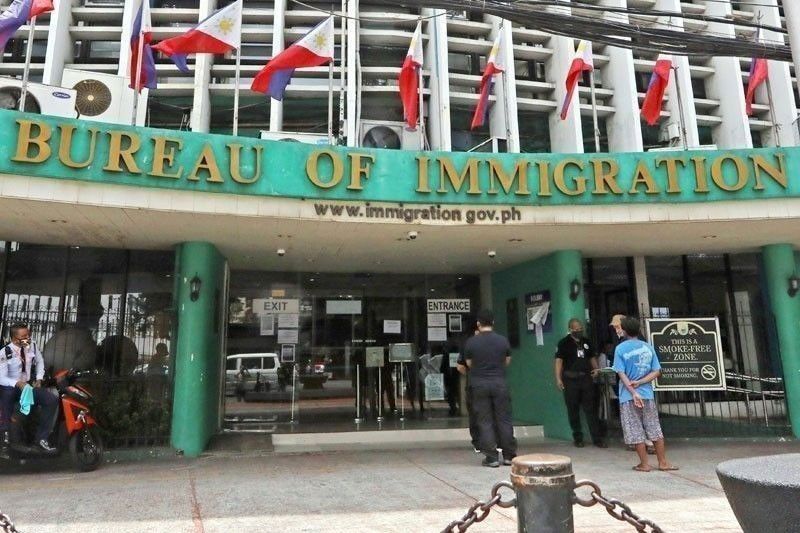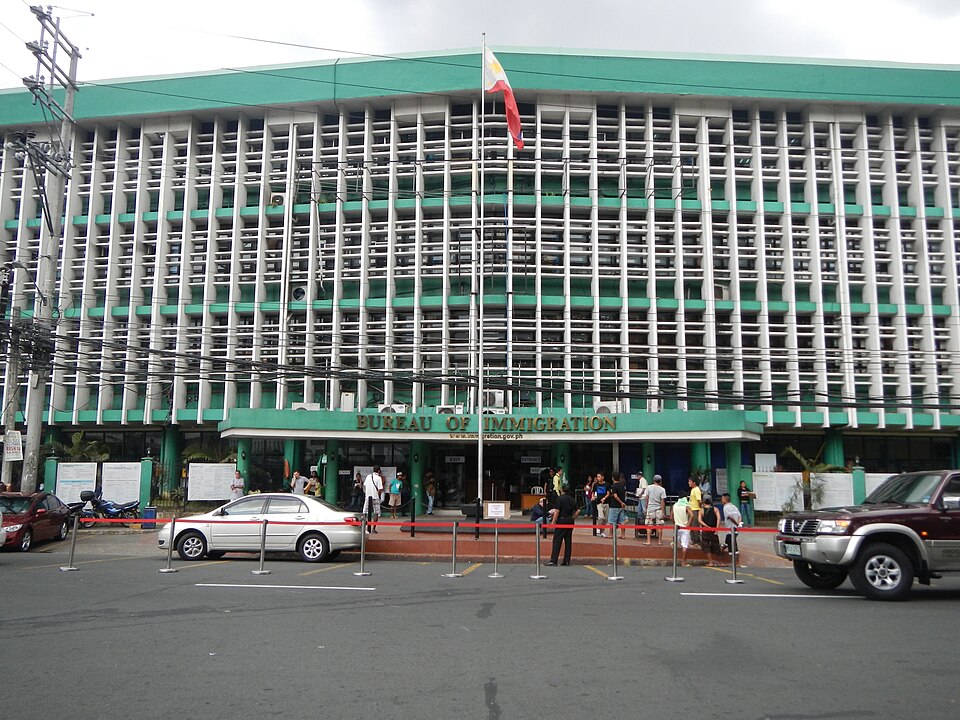
Foreign business owners looking to establish or expand a business in the Philippines must understand the country’s immigration and employment requirements before investing capital or assuming an operational role. Choosing the wrong visa can create compliance problems, delay business activities, and expose both the foreign national and the company to regulatory risks. With different visa categories available for employees, investors, and entrepreneurs, it is important to identify the immigration status that matches the individual’s actual business activities.
A foreign national with shares in a Philippine company doesn’t automatically get the right to work there. Additionally, having a residence visa doesn’t mean that all types of employment are allowed or that the person is exempt from the relevant labor laws.
Before starting a business, understanding their visa options can help entrepreneurs make good decisions.
How Foreign Business Owners Can Choose the Right Visa
Choosing the right visa starts with understanding what the foreign national plans to do in the Philippines.
Understand the Difference Between Business Ownership and Work Authorization
Business ownership and employment authorization in the Philippines are issues that are distinct. While foreigners can invest in Philippine companies, there are ownership regulations that they must follow. Simply owning shares in a corporation does not grant the right to work in the country.
Before you move forward, here are some key points to think about:
- Corporate structure: Determine whether the proposed business structure and foreign ownership arrangement comply with Philippine investment restrictions.
- Business responsibilities: Clarify whether you’ll be a passive investor, company director, employee, executive, or operational manager.
- Employment authorization: Verify if your role will need an employment-related visa, an Alien Employment Permit (AEP), or any other required authorization.
- Immigration status: Select a visa category that matches the person’s purpose of stay and eligibility.
- Continuing compliance: Identify the obligations that must be maintained after the visa is approved.
Match the Visa to the Actual Business Role
Different visa categories serve different purposes. Some are designed for qualifying employment, while others consider investment, job creation, qualifications, or eligibility for permanent residence.
The 9(g) Visa for Foreign Business Owners Who Will Work in the Philippines
The 9(g) Pre-Arranged Employment Visa is a key option for foreign nationals looking to work with a company based in the Philippines. This visa is tied to an employment agreement that’s backed by a local employer, who acts as the petitioner.
So, How Does the 9(g) Visa Function?
The 9(g) visa is intended for foreign nationals entering the Philippines to engage in lawful employment under a qualifying arrangement. The application generally involves employment and corporate documentation required by the Bureau of Immigration.
Before pursuing this route, employers and foreign applicants should assess:
- The proposed position and actual duties of the foreign national.
- The employment arrangement and the company’s role as petitioner.
- The corporate records and supporting employment documents required for the application.
- The applicable work permit requirements.
- The current Bureau of Immigration procedures and eligibility conditions.
A careful assessment helps ensure that the proposed employment arrangement is consistent with the visa being requested.
Determine Whether an Alien Employment Permit Is Required
The Alien Employment Permit (AEP), administered by DOLE, is distinct from the 9(g) visa. It is generally required for covered foreign nationals who intend to engage in gainful employment, unless a specific exemption or exclusion applies.
Assessing the AEP and visa requirements together can help employers plan their recruitment and onboarding processes more effectively.
Special Visa for Employment Generation (SVEG)
Foreign entrepreneurs establishing a Philippine business that employs Filipino workers may also consider the Special Visa for Employment Generation. Unlike a standard employment visa, this special non-immigrant category is associated with qualifying commercial activity and employment generation.
Understand the SVEG Eligibility Requirements
The Special Visa for Employment Generation (SVEG) was created under Executive Order No. 758 in 2008. It is for qualified foreign nationals who take an active role in a business in the Philippines. The business must be able to continue operating and provide jobs for at least 10 Filipino workers.
This visa may be an option for foreign business owners who plan to live in the Philippines and manage their business themselves. However, simply registering a business or investing money is not enough to qualify. Applicants must meet the SVEG requirements.
Applicants should check if they can satisfy the following conditions:
- Direct business participation: The applicant needs to be actively involved in a legitimate and sustainable business or investment in the Philippines, following the relevant regulations.
- Management duties: The applicant should take on management roles and also have the authority to make employment decisions, including hiring, promoting, or terminating staff.
- Job creation: The enterprise must provide actual employment to at least ten Filipino workers in accordance with applicable labor laws.
- Intention to remain: The applicant should show a real intention to remain in the Philippines for the long term.
- Documentary compliance: The applicant must satisfy relevant documentation and national security requirements.
Updated guidelines include an undertaking to employ at least 10 full-time Filipino workers regularly or to invest in rehabilitating an existing business to retain at least 10 Filipino workers.
The business must also comply with applicable labor standards, including minimum-wage requirements and required social security contributions. An applicant occupying a company position must secure an AEP where required.
Maintain Compliance After Approval
Meeting the SVEG requirements during the application process is only part of the responsibility. Because this visa is tied to business activity and employment generation, the enterprise must continue to satisfy the applicable conditions.
Business owners need to keep their employment contracts, payroll records, statutory contributions, and operational documents well organized. Having these files on hand is important in case the authorities ask for more information to verify compliance.
Before choosing the SVEG, entrepreneurs should determine whether their business can realistically maintain the employment requirements and related obligations over time.
Quota Immigrant Visa for Qualifying Foreign Investors
Foreign business owners looking to obtain permanent residence might want to consider the Quota Immigrant Visa. This type of visa differs from the 9(g) visa, which is tied to a specific job, as it has its own set of eligibility criteria and is limited to a certain number of visas issued each year.
It’s important to understand the Quota System and the investment requirements that come with it. According to Section 13 of the Philippine Immigration Act, the Quota Immigrant Visa is available to no more than 50 qualified immigrants from any single nationality, or those without nationality, in a given calendar year.
The Bureau of Immigration’s updated guidelines under Board Resolution No. 2025-002 took effect on September 15, 2025. The revised framework emphasizes qualifications, skills, or specialized knowledge that can benefit the national interest, together with sufficient capital for a viable and sustainable investment in the Philippines. It increased the minimum investment cited in the framework from US50,000toUS100,000.
Simply meeting the investment threshold isn’t enough to secure approval. Applicants also need to meet the necessary eligibility criteria and fall within the restricted annual allocation.
Prepare the Required Supporting Evidence
According to the new guidelines, applicants need to be at least 30 years old and have spent a minimum of 180 days in the Philippines during a single calendar year. They also need to show their unique qualifications and financial abilities, or provide proof of their investment.
Depending on the application, supporting documentation may include:
- A Certificate of Inward Remittance.
- Documents demonstrating condominium ownership or purchase.
- Records confirming ownership or investment in an existing corporation, enterprise, or business.
- Other documents required to establish the applicant’s qualifications and financial capacity.
Applicants should confirm the applicable checklist and evidentiary requirements with the Bureau of Immigration before filing.
Determine Whether the Quota Visa Fits Your Business Plans
The Quota Immigrant Visa may be worth considering for an entrepreneur who meets the residence, qualification, investment, and allocation requirements and seeks permanent residence in the Philippines.
However, permanent residence should not automatically be treated as a substitute for employment authorization. A foreign national who intends to occupy a position in a Philippine company must determine whether additional employment-related permits apply.
Special Investor’s Resident Visa (SIRV)
The Special Investor’s Resident Visa (SIRV) is an option for foreign nationals who want to live in the Philippines and invest in a qualifying business or investment. The Board of Investments (BOI) handles the program. Unlike the SVEG, which focuses on creating jobs for Filipinos, the SIRV mainly depends on meeting the investment requirements.
Understanding the SIRV Requirements
If you’re a foreign national planning to invest and live in the Philippines, the SIRV may be worth considering. You must meet the investment rules, prepare the required documents, and follow the application process.
Eligible applicants may also apply for a change in their visa status if they meet the rules for indefinite stay. Approval is not automatic, so it’s important to check the requirements before applying.
To get started, visit the official BOI website for the latest application forms, document checklists, and instructions. Check the rules for dependents and changes to indefinite status as well. This will help you understand what documents you need and what steps to follow.
Before proceeding, investors should organize their investment records and confirm the documentation needed to demonstrate compliance with the program.
Determine Whether Additional Work Authorization Applies
Getting a Special Investor’s Resident Visa (SIRV) does not mean a foreign investor can do any job in a Philippine company. Before starting work, they should check if they need a work permit or must follow other Philippine labor rules.
For instance, an investor who wants to live in the Philippines but isn’t planning to take on an employment role will have different requirements than someone who intends to oversee staff, handle daily operations, or take on executive responsibilities.
Clarifying the intended role before applying helps investors select an appropriate immigration route and identify any additional requirements associated with their planned activities.
Compare the Main Visa Options Before Applying
Each visa has a different purpose and set of rules. By looking at the available options, foreign business owners can find out which visa suits their plans before investing money or starting the application process.
| Visa category | Primary consideration | Important limitation |
| 9(g) Pre-Arranged Employment Visa | Qualifying employment with a Philippine-based petitioner | The employment arrangement and applicable work permit requirements must be satisfied. |
| Special Visa for Employment Generation (SVEG) | Qualifying enterprise that employs at least 10 Filipinos | The applicant and business must maintain the applicable employment and other conditions. |
| Quota Immigrant Visa | Special qualifications, investment, and limited quota allocation | Meeting the criteria does not guarantee a place within the annual quota. |
| Special Investor’s Resident Visa (SIRV) | Qualifying investment under the BOI program | Investment-based status should not be assumed to cover every employment activity. |
The most appropriate option depends on the foreign national’s planned role, qualifications, investment, residence goals, and ability to meet continuing conditions. This comparison provides a starting point, but the current official requirements must be reviewed before an application is submitted.
Prepare Your Supporting Documentation
Once you’ve chosen the right visa, start collecting the documents you need. Missing, outdated, or incorrect papers can cause problems with your application and make it harder to show that you meet the requirements.
Organize Your Corporate, Employment, and Investment Records
The documents you need depend on the type of visa you are applying for. If you own a business in the Philippines, you may need to provide company registration papers, proof that you own part of the business, investment records, financial statements, employment contracts, and other documents that show you are allowed to run the company.
Applicants pursuing the SVEG should also prepare evidence demonstrating that the enterprise satisfies the applicable employment requirements and labor standards.
To improve application readiness, businesses should:
- Keep accurate records of shareholdings, capital contributions, and investment transfers.
- It’s important that corporate documents and employment records remain consistent.
- Prepare evidence of qualifying employment and employee-related statutory contributions where required.
- Confirm whether documents issued abroad need authentication or an apostille before submission.
- Review the official checklist for the visa category you’re specifically applying for.
Review Personal and Immigration Documents
Applicants may need to provide a valid passport, immigration records, clearances, application forms, and proof of their skills or financial resources. The required documents will depend on the type of visa they are applying for and their personal situation.
Before applying, foreign nationals should check the latest list of requirements from the Bureau of Immigration or the government agency in charge of their visa. Using old information or a checklist for a different visa may lead to missing documents and delays in the application process.
Keep Track of Renewals and Other Requirements
Getting your visa is only the first step. Business owners must keep track of visa rules, permit expiration dates, employee records, taxes, and investment requirements to make sure they stay compliant.
This is particularly important for categories that depend on continuing business operations, qualifying investment, or employment generation.
A practical compliance system should include:
- A calendar for visa and permit expiry dates.
- Organized corporate, employment, and investment documentation.
- Periodic reviews of the workforce and business conditions relevant to the visa.
- Updates on changes to government requirements and filing procedures.
- A process for responding to requests for additional documents or information.
Proactive monitoring helps business owners identify potential issues before they affect their ability to operate or remain in the Philippines.
Final Perspective
Foreign business owners should choose a Philippine visa based on what they plan to do, whether they meet the requirements, and how long they want to stay in the country. The 9(g) visa may be suitable for those hired by a Philippine company. The SVEG is for qualified foreign nationals who run businesses that provide jobs for Filipino workers. The Quota Immigrant Visa may allow qualified applicants to live permanently in the Philippines, subject to the visa’s rules and available slots. Meanwhile, the SIRV may be an option for foreign investors who meet the investment requirements set by the Board of Investments (BOI).
No single category is automatically suitable for every foreign entrepreneur. Company ownership, investment, residence, and permission to work are separate considerations that must be assessed in light of the applicable rules.
Is Assistance Available?
Yes! Work Visa Philippines can help foreign entrepreneurs and employers assess Philippine work visa options, understand employment permit requirements, and prepare for immigration compliance. Our team can help you identify the requirements relevant to your business role and determine the next steps for your application.
Contact us today to discuss your circumstances and the assistance you may need:
- Contact Us Here
- Fill Out the Form Below
- Call us at +63 (02) 8540-9623