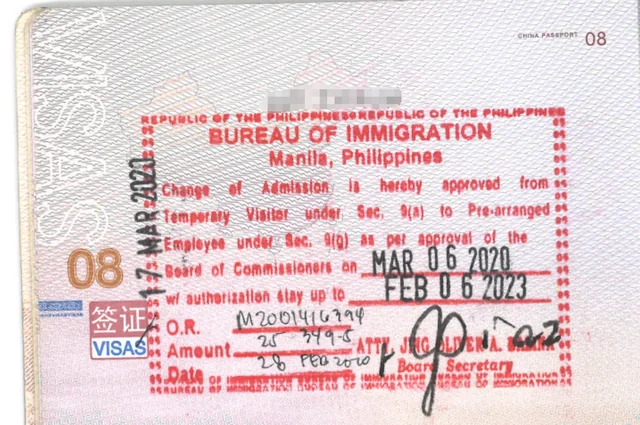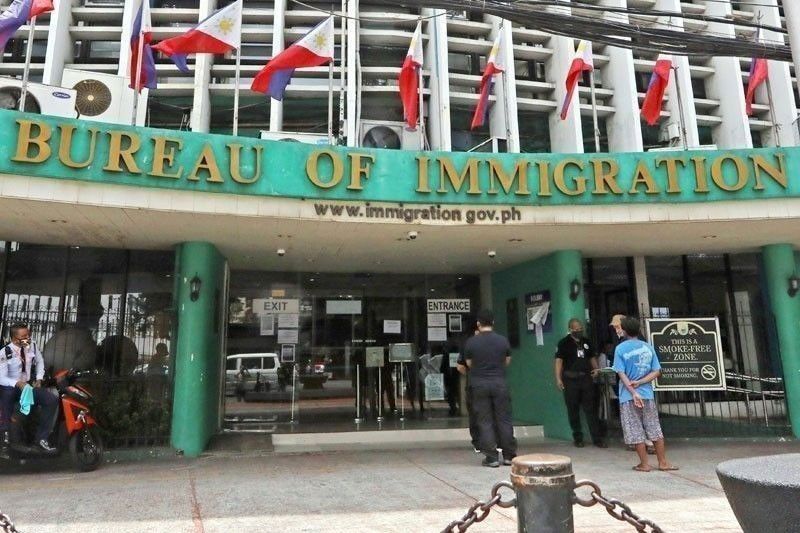
Foreigners planning to work in the Philippines may qualify for different immigration categories depending on their employer, job responsibilities, and the company’s registration status. Two options worth understanding are the Special Non-Immigrant Visa under Section 47(a)(2) and the 9(g) Pre-Arranged Employment Visa. Although both can support qualifying employment in the country, they have different legal foundations, sponsorship arrangements, and application procedures.
Knowing the difference between a PEZA Visa under Section 47(a)(2) and a 9(g) visa is important for foreign managers, skilled workers, consultants, and other professionals who want to work in the Philippines. The Section 47(a)(2) visa is for certain foreign workers, including eligible employees of registered companies and those working on government-approved projects. The 9(g) visa is commonly used by foreign nationals who have a job offer from a company in the Philippines.
What Is a PEZA Visa Under Section 47(a)(2)?
Understanding the legal basis of Section 47(a)(2) is the first step in determining whether this special visa category fits a foreign employee’s circumstances.
The PEZA Visa under Section 47(a)(2) of the Philippine Immigration Act of 1940 is for certain foreign nationals who meet the rules set by Philippine law and the government.
This visa may be available to foreign executives, supervisors, specialists, consultants, contractors, and personal staff working for companies registered with the Board of Investments (BOI) or certain economic zone authorities. It may also cover foreign workers hired by companies that have agreements with the Philippine government or its agencies to complete specific projects.
The applicable sponsoring or endorsing authority depends on the basis for the application. For eligible BOI-registered enterprises, the BOI has a role in endorsing applications to the Department of Justice (DOJ), while the DOJ and Bureau of Immigration (BI) have responsibilities under the applicable visa process.
This is not a general visa for every foreign employee of a company that invests in the Philippines. The employer and employee must fall within a qualifying category, and the application remains subject to government evaluation.
Who can qualify for a PEZA visa?
To qualify for a PEZA visa, the company must meet certain rules. The worker’s job and the required government approval or endorsement also matter.
This visa may be available to foreign executives, supervisors, specialists, consultants, contractors, and personal staff working for qualified companies. It may also cover foreign workers hired for projects under agreements with the Philippine government or its agencies.
Before offering this visa to a foreign worker, the employer should check if the company and the worker meet the requirements. Simply registering a business in the Philippines does not mean the company can use this visa category.
What is the 9(g) Pre-Arranged Employment Visa?
The 9(g) visa is the principal commercial employment visa for foreign nationals entering the Philippines to undertake qualifying employment. It is generally relevant when a Philippine-based company hires a foreign professional under a pre-arranged employment relationship.
Section 9(g) of the Philippine Immigration Act provides the legal basis for this non-immigrant visa. The BI administers the immigration application, and the Philippine employer generally acts as the petitioner.
The 9(g) route is commonly considered by companies hiring foreign managers, executives, technical specialists, and other qualified professionals whose employment meets the applicable requirements.
Unlike Section 47(a)(2), which applies to specific statutory categories and qualifying arrangements, the 9(g) visa is not limited to employment under a BOI registration or government project agreement. Nevertheless, the employer and proposed employment must meet the relevant legal requirements.
What does the employer need to establish?
The employer must support the application with the required corporate and employment documentation. This may include the employment contract or appointment, company registration records, and other documents specified by the BI’s current checklist.
The foreign worker’s job and employment details must match the information in the application. The employer should also check if the worker needs an Alien Employment Permit (AEP) or is allowed to work without one under current DOLE rules.
Getting a job offer does not automatically mean a foreign worker will get a 9(g) visa. The applicant must still meet the immigration requirements and get approval from the proper government agencies.
Special Non-Immigrant Visa vs. 9G Visa: Key Differences
Both visas allow qualified foreigners to work in the Philippines, but they have different rules and application processes. Before choosing one, employers should check the requirements for each visa. The best option depends on the company, the type of job, and the worker’s situation.
| Comparison | Section 47(a)(2) PEZA Special Non-Immigrant Visa | 9(g) Pre-Arranged Employment Visa |
| Legal basis | Philippine Immigration Act: Section 47(a)(2) | Philippine Immigration Act: Section 9(g) |
| Primary use | Qualifying employment under specified investment, economic zone, or government project arrangements | Qualifying pre-arranged employment with a Philippine-based employer |
| Employer eligibility | Must fall within an applicable qualifying category | Must be an eligible petitioner for the proposed employment |
| Government process | May involve endorsement by the appropriate agency and DOJ/BI procedures | Administered through the BI’s employment visa process |
| Work authorization | AEP or an applicable exemption/exclusion must be assessed | AEP or an applicable exemption/exclusion must be assessed |
| Validity | Depends on the applicable authorization and approval | Depends on the approved employment period and visa grant |
| Dependents | Eligible dependents may qualify under applicable rules | Qualifying spouse and unmarried children under 21 may qualify under applicable rules |
Neither category should be treated as automatically superior. The correct choice depends on the company’s qualifying status, the foreign national’s duties, the applicable endorsement process, and the current government requirements.
How the BOI and DOJ Help With Special Non-Immigrant Visa Applications
The steps for applying for a PEZA visa depend on why the company qualifies for this visa. Knowing which government agency handles the application can help employers follow the right process and avoid delays.
BOI-endorsed applications
The BOI provides an application process for eligible foreign nationals employed by BOI-registered business enterprises. Its published services include the issuance of endorsements for the grant or renewal of PEZA visas.
The employer should check if the company and the foreign worker meet the visa requirements. It must also prepare the needed documents, such as the employment application, an affidavit of undertaking, and understudy documents if required.
Even if the BOI supports the application, it does not mean the visa will be approved. The immigration authorities must still check the documents and decide whether to grant the visa.
DOJ applications involving government agreements
A different application process may apply to foreign workers hired by companies that have agreements with the Philippine government or its agencies to complete certain projects.
These cases should not be confused with ordinary employment by a privately owned company that has no qualifying government agreement. The basis for the application determines which rules and supporting documents are relevant.
Employers should confirm the correct filing process with the DOJ and other responsible authorities before preparing the application.
Does Either Visa Require an Alien Employment Permit?
Work visa applications and labor authorization are related but separate compliance matters. Employers must determine whether the foreign national needs an AEP under the current DOLE framework.
The AEP is a labor permit for covered foreign nationals who intend to engage in gainful employment in the Philippines. It is not itself an immigration visa and does not replace the need to secure the appropriate immigration status.
Most foreign workers need an Alien Employment Permit (AEP), unless they qualify for an exemption.
Current DOLE requirements
DOLE Department Order No. 248, Series of 2025, sets new rules for hiring foreign workers in the Philippines. Other government orders later added to or changed some of these rules.
As of June 2026, AEP applications were being handled by the DOLE Central Office. Before applying for a new permit or renewing one, employers should check the latest filing steps and requirements.
For both PEZA and 9(g) visas, employers should not assume that the visa type alone decides whether an Alien Employment Permit (AEP) is needed. If a worker is exempt from getting one, the employer should have documents to support the claim and check the correct process with DOLE.
How Long Are the Visas Valid?
The length of a visa depends on its type, the job, and the approval given by the government. Employers should check the rules before telling a foreign worker how long the visa will last.
A 9(g) visa may be valid for one, two, or three years, depending on the job and the approval of the Bureau of Immigration (BI). Workers may renew their visas if they are still employed and meet the renewal requirements.
A PEZA visa follows a different set of rules. Its validity depends on the approval given by the proper government agencies. Employers should not assume that it has the same validity period as a 9(g) visa. They should also check what happens if the job ends or the project or agreement that allowed the worker to qualify is no longer in place.
For either category, the employer should monitor expiry dates and begin preparing renewal documentation early enough to follow the applicable procedure.
What happens if employment ends or changes?
A foreign national’s visa is tied to the applicable legal and employment circumstances. If the employee resigns, changes employers, takes a different position, or is assigned to a different project, the existing visa should not be assumed to transfer automatically.
The employer and employee should check whether cancellation, amendment, a new application, or another immigration procedure is required. They should also review the employee’s authorized period of stay and any work-permit obligations before making changes.
How to Choose the Right Visa for Your Company
Before choosing a visa, the company should check if it qualifies and what kind of work the foreign employee will do. This helps avoid applying for a visa that does not fit the company’s situation.
When a PEZA Visa May Be the Right Choice
This visa may be an option for companies that qualify under certain BOI registrations, economic zone rules, or government project agreements. Before applying, the company should check if it meets the requirements and find out which government agency needs to endorse the application.
Not all companies with investment registrations can use this visa. Employers should confirm that their business and the foreign worker meet the rules.
When a 9(g) Visa May Be the Right Choice
A 9(g) visa may be suitable when a Philippine company hires a foreign worker under an approved employment arrangement. It may be the right option when the worker does not qualify under a special Section 47(a)(2) arrangement.
The employer should check the latest requirements from the Bureau of Immigration (BI). It should also find out if the worker needs an Alien Employment Permit (AEP) or qualifies for an exemption. This helps the company prepare the correct documents and follow the proper application process.
Choose the Visa That Fits Your Situation
Choosing between a Special Non-Immigrant Visa and a 9(g) visa starts with checking if the company and the foreign worker meet the requirements. Section 47(a)(2) may apply to certain workers hired by qualified investment-registered companies or businesses working on government-approved projects. A 9(g) visa is commonly used by foreign workers who have a job with a company in the Philippines.
Both visas require the right documents and approval from the proper government agencies. Employers must also check the work permit rules that apply to the employee. They should not choose a visa just because they think it will be faster, cheaper, or easier to renew.
Before applying, employers should check the latest rules with the Bureau of Immigration (BI), Department of Justice (DOJ), Board of Investments (BOI), and Department of Labor and Employment (DOLE), depending on the case. Taking time to understand the requirements can help companies hire foreign workers while following Philippine immigration and labor laws.
Is Assistance Available?
Work Visa Philippines can help foreign employees and employers understand Philippine work visa categories, AEP requirements, and related immigration compliance matters. The appropriate visa route depends on the company’s registration, the employee’s role, and the legal basis for the proposed employment. Contact us today for an initial consultation:
- Contact Us Here
- Fill Out the Form Below
- Call us at +63 (02) 8540-9623