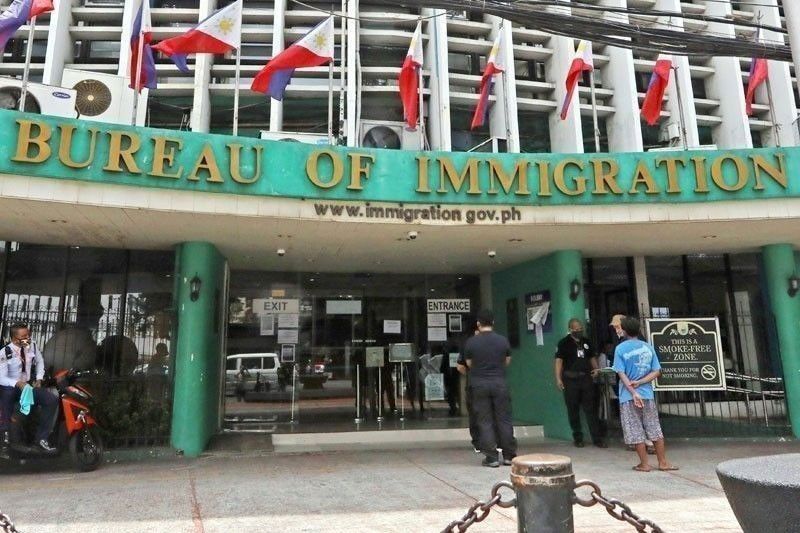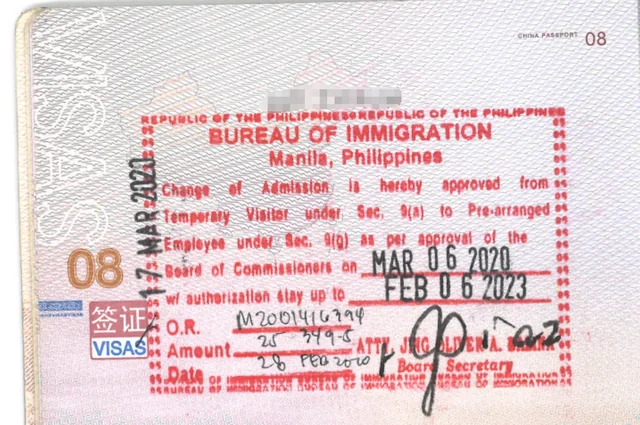
Foreign nationals who want to work in the Philippines need to address two separate but closely connected requirements: authorization to work and permission to stay in the country for employment. The appropriate employment visa depends on the nature of the work, the employer, the expected duration of employment, and the foreign national’s circumstances.
For many foreign professionals taking up regular employment with a Philippine company, the 9(g) Pre-Arranged Employment Visa is the principal long-term employment visa route. However, obtaining a 9(g) visa is not simply a matter of submitting a visa application to the Bureau of Immigration (BI). Foreign workers generally also need to comply with Department of Labor and Employment (DOLE) requirements, including the Alien Employment Permit (AEP), unless an exemption or exclusion applies.
The rules have also changed in recent years. DOLE issued Department Order No. 248, Series of 2025, establishing updated rules for the employment of foreign nationals, followed by Department Order No. 248-A, which clarified several requirements. In June 2026, DOLE further centralized AEP processing at its Central Office.
Understanding these requirements before accepting a Philippine job can help foreign workers and employers avoid unnecessary delays and compliance problems.
What Is an Employment Visa in the Philippines?
An employment visa allows a qualifying foreign national to remain in the Philippines for the purpose of authorized employment. However, the visa should not be confused with the separate labor authorization required under Philippine employment rules.
The most commonly relevant long-term employment visa for a foreign professional hired by a Philippine employer is the 9(g) Pre-Arranged Employment Visa (Commercial). The Bureau of Immigration describes this visa as available to foreign nationals proceeding to the Philippines to engage in lawful employment for wages, salary, or other forms of compensation.
There are other immigration permissions for particular circumstances. For example, a Special Work Permit (SWP) may apply to certain foreign nationals undertaking gainful employment for a limited period, while special non-immigrant visa arrangements may apply to qualifying foreign nationals connected with specific enterprises or projects.
Therefore, the phrase “employment visa” does not refer to one universal visa for every foreign worker. The appropriate immigration category must be determined from the actual employment arrangement.
Do Foreign Workers Need Both an AEP and an Employment Visa?
The distinction between the AEP and an employment visa is one of the most important points for foreign workers to understand.
The AEP is a labor permit, while the employment visa is an immigration authorization. They serve different legal purposes and are generally handled by different government agencies.
Under DOLE’s current rules, foreign nationals intending to engage in gainful employment in the Philippines are covered by the AEP regulations unless they fall under an applicable exemption or exclusion. DOLE explains that the AEP is issued after consideration of whether there is a Filipino citizen who is competent, able, and willing to perform the work for which the foreign national is being hired.
For a regular foreign employee, this means the process may involve:
- Obtaining the necessary labor authorization from DOLE.
- Applying for the appropriate immigration status or employment visa with the Bureau of Immigration.
- Completing registration and identification requirements.
- Maintaining compliance with both labor and immigration rules throughout employment.
Having an AEP does not by itself replace the immigration requirement, and having an immigration visa does not eliminate labor requirements that apply to the position.
The Alien Employment Permit Is a Major Part of the Process
The AEP is designed to regulate the employment of foreign nationals while giving consideration to the availability of Filipino workers.
DOLE Department Order No. 248, Series of 2025, states that the rules apply to foreign nationals who intend to engage in gainful employment in the Philippines and employers that intend to hire foreign nationals. Except where an exemption or exclusion applies, the employer must secure the AEP before the foreign national actually starts employment.
The application is therefore not simply an assessment of the foreign worker’s qualifications. The proposed position and the employer are also relevant.
The labor market component can require the employer to demonstrate that the position is appropriately available for foreign employment under the applicable rules. DOLE’s updated framework also emphasizes the development of Filipino workers and the transfer of skills, knowledge, and technology where applicable.
For employers, this means that hiring a foreign worker should be planned before the employee’s intended start date.
What Changed Under the 2025 AEP Rules?
The Philippine government substantially updated the rules governing foreign employment in 2025.
DOLE Department Order No. 248 introduced revised rules intended to regulate foreign employment while balancing investment, local employment protection, and skills transfer. The order includes requirements related to the labor market test and mechanisms such as Understudy Training Programs and Skills Development Programs for certain establishments.
Department Order No. 248-A subsequently clarified the job-publication requirement. Under the supplemental guidelines, publication is made in a newspaper of general circulation. Employers are also encouraged to post vacancies through PhilJobNet and the relevant Public Employment Service Office or Job Placement Office, but those additional postings are not a precondition to filing the AEP application.
This is important because older guides may describe the AEP process using requirements that have since been amended.
Foreign workers and employers should therefore rely on the current DOLE rules and applicable checklists rather than assuming that an older employment visa guide remains accurate.
AEP Processing Is Now Centralized
Another important development is the centralization of AEP processing.
Effective June 9, 2026, DOLE centralized the processing, evaluation, and issuance of AEPs at the DOLE Central Office. DOLE Regional Offices were directed to stop accepting, processing, evaluating, and issuing new and renewal AEP applications.
This change matters when planning an employment visa application because older articles may instruct applicants or employers to file AEP applications through a particular regional DOLE office.
The current process should instead be checked against DOLE’s centralized procedures and the latest official instructions.
Employers should also make sure that supporting documents are complete and consistent. DOLE has emphasized that incomplete or inconsistent submissions can affect processing. Previous DOLE guidance on AEP processing also identified document evaluation, qualification review, compliance requirements, approval, and permit issuance as part of the process.
Who Can Apply for a 9(g) Employment Visa?
The 9(g) Pre-Arranged Employment Visa is designed for foreign nationals who have an employment arrangement in the Philippines.
The Bureau of Immigration currently identifies the commercial 9(g) category for foreign nationals proceeding to the Philippines to engage in a lawful occupation in exchange for wages, salary, or other compensation.
The applicant should have a genuine employment relationship and a Philippine employer or sponsoring entity capable of supporting the application.
The exact documentary requirements can vary depending on the circumstances of the applicant and employer. The BI’s current checklist and application requirements should therefore be reviewed before filing.
The 9(g) process may include:
- Preparation of the required application documents
- Submission for pre-screening
- Payment of applicable government fees
- Attendance at a required hearing
- Biometric or ACR I-Card processing,pr where applicable
- Checking the application status
- Visa implementation after approval
These steps are reflected in the Bureau of Immigration’s current 9(g) procedure.
What Documents Are Usually Needed?
The exact requirements depend on the application, but employment visa applicants should expect to provide documents establishing their identity, employment, and eligibility.
For a 9(g) application, the Bureau of Immigration currently identifies a checklist of documentary requirements, an application form, additional information concerning children where applicable, and a notarized certification concerning the number of foreign and Filipino employees.
The employer may also need to provide corporate and employment documentation supporting the application.
Depending on the circumstances, documents can include:
- Valid passport
- Employment or appointment documentation
- AEP or applicable proof of labor authorization
- Employer registration and corporate documents
- Proof of the foreign worker’s qualifications
- Immigration forms
- Documents concerning dependents, where applicable
- Additional documents requested by the government agency
Applicants should not rely on a generic online checklist because requirements can change depending on the visa category, employer, nationality, and individual circumstances.
Qualifications and the Proposed Job Matter
A foreign worker’s professional background is important, but qualifications alone do not guarantee approval.
Under the AEP framework, DOLE considers the proposed foreign employment in the context of Philippine labor market rules. The employer must identify the position, its functions, and the qualifications needed to perform it. The rules also provide mechanisms intended to promote the development of Filipino workers and the transfer of skills.
Employers should therefore be able to explain why the foreign national is being hired for the particular position.
A strong application should present consistent information across the employment contract, job description, corporate documents, AEP application, and immigration application.
For example, if an employment contract describes a foreign national as a technical specialist but another document describes the same person as a general manager, inconsistencies may create questions during processing.
Can a Foreign Worker Start Working Immediately After Entering the Philippines?
Entering the Philippines does not automatically authorize a foreign national to begin employment.
This is an important distinction for individuals who enter the country as visitors and later receive a job offer.
A foreign national should have the appropriate labor and immigration authorization before beginning work. DOLE’s rules specifically provide that, unless an exemption or exclusion applies, an employer must secure an AEP before the foreign national actually starts employment.
Similarly, a visitor or temporary immigration status should not simply be treated as an employment visa.
Employers should coordinate the employee’s start date with the completion of the required work authorization and immigration process.
What If the Employment Is Only for a Short Period?
Not every foreign worker needs the same long-term employment visa.
The Bureau of Immigration provides a Special Work Permit – Commercial for foreign nationals who will engage in gainful employment for three to six months. The SWP has its own requirements and procedures and should not be treated as simply a shorter version of a 9(g) visa.
There are also specific SWP categories for activities such as artists and athletes, with their own conditions.
The correct permit, therefore, depends on what the foreign national will actually do in the Philippines, how long the activity will last, and whether the circumstances fit a particular immigration category.
A company should not automatically use an SWP simply because an assignment is short. The proposed activity should first be assessed under the applicable immigration and labor rules.
What About Foreign Employees Working Remotely?
Remote work requires a separate analysis because not every foreign national working online from the Philippines fits the traditional employment visa model.
A foreign professional employed by a Philippine company is different from a person who works remotely for an overseas employer or foreign clients while physically present in the Philippines.
The Philippines established a Digital Nomad Visa framework through Executive Order No. 86, Series of 2025. The framework is intended for qualifying foreign remote workers who meet its requirements, including conditions concerning remote work, foreign-source income, health insurance, criminal record, nationality, and other eligibility requirements.
This means a foreign national should not automatically assume that a 9(g) employment visa is appropriate simply because they perform work while physically located in the Philippines.
The actual employer, source of compensation, nature of work, and intended stay should be reviewed before selecting an immigration route.
Can Family Members Accompany a 9(g) Visa Holder?
Foreign employees relocating to the Philippines may also need to consider their family’s immigration status.
The Bureau of Immigration provides for the inclusion of the spouse and dependent children under 21 years old and unmarried of a principal 9(g) visa holder, subject to the applicable requirements.
Family members do not simply acquire the principal employee’s status automatically. Separate documentary requirements and immigration procedures may apply.
Applicants should prepare civil-status documents and other evidence required to establish the relationship.
Where documents were issued outside the Philippines, authentication, apostille, or other document-formalization requirements may also need to be considered, depending on the document and country of issuance.
How Long Does an Employment Visa Take?
Processing time should not be treated as a guaranteed number of days.
The overall timeline can depend on the completeness of the documents, the AEP process, employer compliance, the applicable visa category, government processing, and whether additional requirements or clarification are requested.
The AEP process itself has undergone significant changes. DOLE previously communicated a 15-working-day process cycle for AEP issuance under its 2025 rules, but the subsequent centralization of AEP processing in 2026 means employers should confirm the current process and service standards before relying on a timeline.
Similarly, the Bureau of Immigration’s published 9(g) page contains fee information that it expressly identifies as updated as of March 2014 and subject to change. For this reason, applicants should obtain current fee information from BI rather than relying on old online figures.
A Practical Employment Visa Checklist for Employers
Preparing early makes the process easier to manage.
Before hiring a foreign national, an employer should review:
- The proposed position – Define the job title, duties, workplace, and required qualifications.
- The foreign worker’s qualifications – Check education, experience, professional credentials, and any applicable licensing requirements.
- AEP eligibility – Determine whether the foreign national requires an AEP or qualifies for an exemption or exclusion.
- Labor market requirements – Complete the applicable publication and labor market procedures under the current DOLE rules.
- Employer documents – Keep corporate registration and employment documents current and consistent.
- Employment visa category – Determine whether a 9(g), SWP, special non-immigrant visa, or another immigration category applies.
- Family requirements – If the employee is relocating with family, review dependent immigration requirements at the same time.
- Start date – Coordinate the employee’s actual work commencement with the required authorizations.
- Post-approval compliance – Track visa validity, AEP requirements, ACR I-Card obligations, renewals, and changes in employment circumstances.
This checklist is not a substitute for the government agency’s current requirements, but it provides a useful framework for preparing the application.
What Happens After the Employment Visa Is Approved?
Approval is not the end of the compliance process.
Foreign workers must continue to comply with the conditions attached to their immigration status and employment authorization. Employers should monitor the validity of the AEP and employment visa and address renewals before expiration.
Changes in employment can also require additional action. A foreign worker should not assume that an employment visa automatically authorizes work for any Philippine employer simply because the worker already holds a valid immigration status.
The employer and employee should review the appropriate requirements before changing employers, positions, or the nature of the work.
The ACR I-Card should also not be confused with a work permit. It is an immigration registration document and does not independently authorize employment.
Key Takeaways
Getting an employment visa in the Philippines involves more than submitting an immigration application. For a regular foreign employee, the process generally requires coordination between labor authorization and immigration requirements.
The 9(g) Pre-Arranged Employment Visa remains an important route for foreign nationals taking up qualifying employment in the Philippines. At the same time, the AEP framework has changed significantly. DOLE’s 2025 regulations introduced updated rules for foreign employment, while the June 2026 centralization of AEP processing changed where applications are handled.
The safest approach is to determine the correct immigration category first, verify whether an AEP or another labor authorization is required, prepare consistent documentation, and confirm current procedures with the relevant government agencies before the employee begins work.
For employers, planning the immigration process at the same time as recruitment can prevent avoidable problems. For foreign professionals, understanding the difference between an employment visa, an AEP, and other work permissions can make the relocation process much clearer.
Need Help With an Employment Visa in the Philippines?
Foreign employees and Philippine employers may need to coordinate several requirements before lawful employment can begin. Work Visa Philippines can assist with understanding the appropriate employment visa route, preparing the required documentation, and navigating Philippine immigration and work permit requirements.
If you are a foreign professional planning to work in the Philippines or an employer preparing to hire a foreign national, contact our team at Work Visa Philippines to discuss your requirements and determine the appropriate immigration process:
- Contact Us Here
- Fill Out the Form Below
- Call us at +63 (02) 8540-9623