Living in the Philippines can be rewarding for foreign nationals who want a warmer climate, a lower cost of living than many Western countries, and an English-friendly environment for daily life. For workvisaphilippines.com, the key point is that living here long term is not only about lifestyle; it is also about choosing the right visa, residence path, and practical setup for work, retirement, or family relocation.
The Philippines offers a mix of city convenience, beach-town calm, and island living, but the best experience usually comes from planning the legal and practical details before arrival. That includes visa status, housing, healthcare, banking, transportation, and how you will adapt to local culture and daily routines.
Why Expats Move Here
Many foreigners choose the Philippines because it offers a friendly social environment, tropical weather, and a cost structure that can be easier to manage than in the U.S. or Europe. English is widely spoken, so daily tasks such as opening a bank account, talking to a landlord, or visiting a clinic are often more manageable than in countries where language barriers are stronger.
Another reason is flexibility. People come to the Philippines for work, retirement, business, family, or simply a lifestyle change, and the country has visa categories that can support each of those plans. That makes it a strong destination for expats who want a longer-term base in Southeast Asia.
Choosing the Right Visa
The biggest legal issue in living in the Philippines is that your visa must match your actual purpose of stay. A tourist or business visit is not the same as working, retiring, investing, or settling long-term, and each path has different requirements.
Common long-stay routes include:
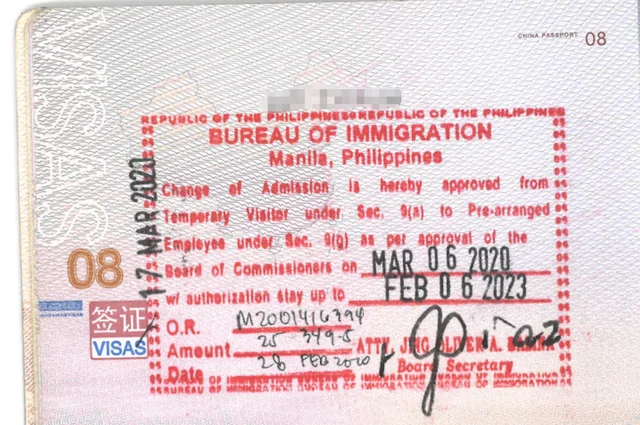
- 9(g) Pre-Arranged Employment Visa for foreign workers.
- Special Work Permit for short-term assignments.
- SRRV for retirees who qualify.
- SIRV for investors who meet the required criteria.
- Visitor visas and extensions for short-term stays.
If you plan to stay beyond a short visit, you should choose a visa early instead of waiting until after arrival. That keeps your stay lawful and reduces the risk of later corrections or overstay issues.
Housing and Neighborhoods
Finding the right place to live is one of the biggest parts of settling into the Philippines. Some expats prefer the convenience of Metro Manila, while others choose quieter provincial cities or beach communities where the pace of life is slower.
Areas like Makati and BGC are popular with expats because they offer more modern infrastructure, business access, and walkable urban lifestyles. Cities such as Cebu, Davao, Dumaguete, and Baguio are often mentioned by expats as more relaxed alternatives depending on budget and lifestyle preference.
Renting is usually the first step for new arrivals because it gives time to learn the market before committing to a long-term property decision. This is especially important because foreigners face land ownership limits, and property planning should be done with those rules in mind.
Cost of Living
The cost of living is one of the main reasons many foreigners consider living in the Philippines. Housing, food, transport, and domestic services can be more affordable than in many Western countries, although costs vary widely depending on location and lifestyle.
Metro Manila and premium lifestyle districts can still be expensive, especially for imported goods, private healthcare, and international schooling. On the other hand, smaller cities and provincial areas can offer a much lower monthly budget, especially for retirees or remote workers who do not need a central business location.
The practical takeaway is that your budget should reflect your city choice, housing expectations, and healthcare needs, not just generic national averages.
Healthcare and Insurance
Healthcare should be part of every expat’s plan before moving. The Philippines has private hospitals and clinics in major cities, but expats often prefer private care because it is faster and more comfortable than public options.
Many foreign residents use international health insurance or local private coverage rather than relying entirely on out-of-pocket payments. This is especially important for retirees and families, who may need ongoing medical care, prescriptions, or emergency treatment.
If you plan to live outside major metro areas, you should check the nearest hospitals and the availability of emergency transport before settling there.
Banking and Money Management
Opening and managing bank accounts is a major step in living in the Philippines because it affects rent payments, salary deposits, transfers, and daily spending. Foreigners may need passport copies, visa documents, proof of address, and sometimes an Alien Certificate of Registration Identity Card, depending on the bank and account type.
Many expats also keep an offshore or home-country account for international transfers and use a local account for day-to-day expenses. That can make it easier to manage exchange-rate fluctuations, remittances, and cross-border bills.
If you are moving on an SRRV or another long-term visa, it is worth coordinating your banking setup with your visa planning so you have the right documents ready.
Transportation and Daily Movement
Transportation in the Philippines can be convenient in some areas and challenging in others. Metro Manila has ride-hailing apps, taxis, buses, and rail, but traffic can be heavy and daily travel can take longer than expected.
Outside the capital, domestic flights, ferries, vans, and local transport become more important because the country is made up of thousands of islands. Many expats find that owning a car is useful in some cities, while others prefer to rely on drivers or ride-hailing services in dense urban areas.
The best transport setup usually depends on where you live, how often you travel, and whether your work or retirement life is centered in one city or spread across multiple locations.
Culture and Social Life
Adjusting to local culture is one of the most important parts of living in the Philippines because the social rhythm is often different from what expats are used to. Filipino culture is generally known for hospitality, family orientation, and politeness, but day-to-day life may still involve traffic, noise, crowds, and administrative delays that require patience.
Many expats find it easier to settle in when they learn basic Filipino phrases, respect local customs, and join community events or expat groups. Building good relationships with neighbors, landlords, staff, and local professionals can make everyday life much smoother.
Working While Living Here
If you plan to work while living in the Philippines, your visa must allow employment, and your employer must complete the required labor and immigration process. Most long-term workers need an Alien Employment Permit (AEP) and a 9(g) visa, while short-term assignments may use a Special Work Permit.
Remote workers should be careful not to assume that a tourist or visitor status gives them automatic permission to work for a foreign or local employer while physically in the Philippines. The safest approach is always to align your visa with the actual work arrangement before starting.
Retirement and Long-Term Stay
For retirees, living in the Philippines often means choosing the SRRV route. The SRRV is the main retirement visa option and is designed for foreigners and former Filipinos who want long-term residence with multiple-entry privileges.
The SRRV is not about employment; it is about stable residence and retirement planning. Applicants should compare the available SRRV options carefully because the right category depends on age, pension status, and whether the applicant is a former Filipino or a foreign retiree.
Property, Family, and Lifestyle Planning
For many expats, living in the Philippines also means planning for family life, school options, and where to rent or buy property. Foreigners cannot generally own land directly, so housing decisions need to be made with property law in mind.
Families should also think early about schooling, healthcare, and the practicalities of moving with children or pets. The more pieces you plan before arrival, the easier it is to avoid stress later.
Final Insights
Living in the Philippines can be a rewarding experience for expats who plan well, choose the right visa, and adapt to local conditions. The country offers affordability, English-friendly daily life, and a variety of long-term visa routes for workers, retirees, and investors.
The main key is to treat the move as a full-life transition, not just a travel decision. Work Visa Philippines helps foreign nationals and families plan the visa side of living in the Philippines so they can settle in legally and confidently from day one.
The best expat experience starts with legal clarity and practical planning. When visa, housing, healthcare, transport, and banking are aligned, life in the Philippines becomes much easier to manage. For expert assistance, contact our team:
- Contact Us Here
- Fill Out the Form Below
- Call us at +63 (02) 8540-9623