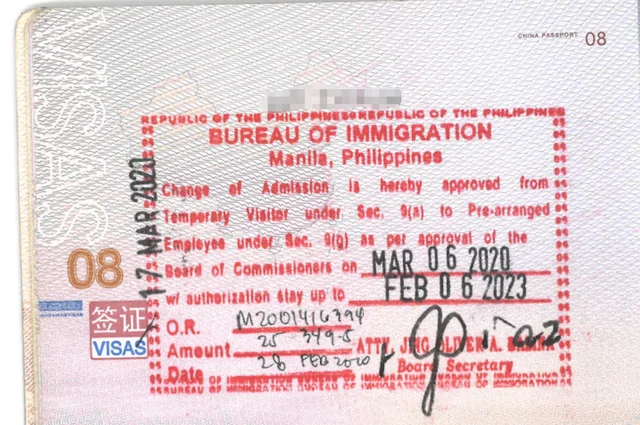
The latest recruitment trends in the Philippines show a market that is shifting from volume hiring to value hiring, where employers care more about measurable impact, adaptability, and long-term fit. Recruitment strategy increasingly affects visa planning, foreign hiring, and how quickly a company can bring in local or international talent.
In 2026, Philippine employers are also paying closer attention to AI, remote-work flexibility, employer branding, and skills-based hiring. These changes do not replace traditional hiring rules; instead, they make it more important to align recruitment decisions with compliance, immigration, and workforce planning.
Why Recruitment Trends Matter
Recruitment trends are not just HR talk. They affect how fast companies can fill roles, what skills they prioritize, and whether they choose local candidates, expats, remote workers, or a mix of all three. In the Philippines, those choices matter even more because foreign hiring can trigger work permit and visa requirements.
As the market moves toward value and capability, employers are narrowing their hiring to fewer but more strategic roles. That means recruiters and business owners need to think beyond headcount and focus on the roles that truly drive growth.
Skills-First Hiring
One of the strongest recruitment trends in the Philippines is the shift toward skills-first hiring. Employers are placing more emphasis on what a candidate can actually do than on tenure, title history, or formal pedigree alone.
This is especially visible in roles that require cross-functional thinking, digital fluency, and the ability to work in hybrid or fast-changing environments. Companies want employees who can contribute quickly and adapt as business needs change.
For recruiters, this means interviews are becoming more practical and less dependent on static CV screening. For employers, it means hiring decisions may be more selective but also more aligned with business outcomes.
AI in Recruitment
AI is now a major part of the hiring conversation, and Philippine employers are no exception. The latest trend is not just using AI to automate tasks, but also dealing with how candidates use AI to polish applications and how employers verify real capability.
AI is influencing recruitment in at least three ways: screening, assessment, and workforce planning. Screening tools can help sort applications faster, assessment tools can help evaluate skills, and analytics can help recruiters forecast which roles will be hardest to fill.
At the same time, employers need to be careful not to over-trust polished applications or generic AI-generated answers. The challenge in 2026 is not simply adopting AI; it is using it in a way that still protects hiring quality and trust.
Remote and Flexible Work
Remote work flexibility remains one of the important recruitment trends in the Philippines, especially for companies competing for skilled professionals. Candidates increasingly expect flexibility as part of the total value of a job offer, not just as a perk.
This matters for employers because flexibility can widen the talent pool, support retention, and make roles more attractive in a competitive market. It also affects location strategy, since a company may hire outside its main office city or combine local, hybrid, and remote team models.
For foreign employers or multinational companies, remote work still has compliance implications if staff are working from the Philippines under Philippine labor or immigration rules. That is why hiring flexibility must be balanced with proper employment classification and legal review.
Employer Branding Matters More
Employer branding is becoming more important as candidates become more selective about where they work. In a market where skilled workers have options, companies need to show not only what they pay, but also why their workplace is worth joining.
A strong employer brand can help a company attract people who value growth, trust, balance, and clarity. This is especially true for specialized roles where candidates compare benefits, culture, management quality, and career progression before deciding.
Businesses that communicate well about purpose, training, leadership, and flexibility are often better positioned to win talent without overpaying every time.
Succession and Leadership Continuity
Another major development in Philippine hiring is the connection between recruitment and succession planning. Family-owned businesses and legacy companies are becoming more deliberate about leadership continuity and whether the next leader is ready internally or needs to be hired from outside.
This trend is important because leadership hiring is becoming more capability-based and less informal. Employers are asking harder questions about judgment, cross-functional experience, and resilience before placing someone in a key role.
For foreign investors and multinational firms, this means the recruitment process is increasingly tied to governance and continuity planning, not just open-position filling.
High-Demand Roles
The Philippine labor market in 2026 still shows strong demand in several categories, even as companies become more selective overall. The most in-demand roles often appear in operations, healthcare, education, applied technology, analytics, and business-process functions.
This means recruitment is not slowing down uniformly; rather, demand is concentrating in roles that support transformation, customer service, and technical delivery. Employers looking for these skill sets may need to move faster, offer more attractive packages, or look beyond traditional candidate pools.
For foreign nationals, high-demand specialized roles can sometimes justify international hiring, but the employer must still satisfy Alien Employment Permit (AEP) and visa requirements where applicable.
Foreign Hiring and Compliance
Recruitment trends also affect how companies think about hiring foreign nationals. If a company is unable to fill a critical role locally, it may explore hiring an expat, but that decision requires compliance with DOLE regulations and immigration rules.
This is where recruitment and visa strategy overlap. A company may want a specialist quickly, but the hire cannot simply start work without the proper authorization if the role is in the Philippines. That is why employers should coordinate recruitment with permit and visa planning from the beginning.
The more strategic the role, the more likely it is that hiring decisions will involve cross-border mobility, work authorization, and longer onboarding timelines.
What Employers Should Do Now
Employers that want to keep up with recruitment trends should treat hiring as a strategic function rather than an administrative one. The companies that adapt fastest are usually the ones that invest in skills assessment, employer branding, and faster decision-making.
Practical steps include:
- Rewriting job descriptions to focus on outcomes and skills rather than long lists of credentials.
- Reviewing whether a role can be filled locally before deciding to hire abroad.
- Using flexible work structures where appropriate to widen the candidate pool.
- Coordinating HR, legal, and immigration planning for any foreign hire.
- Strengthening leadership pipelines so succession is not dependent on emergency hiring.
These steps help companies stay competitive while reducing delays and compliance risk.
Final Thoughts
The major recruitment trends in the Philippines for 2026 point toward skills-first hiring, stronger use of AI, greater demand for flexibility, and more emphasis on employer branding and succession planning. At the same time, companies that hire foreign nationals must continue to follow the proper work permit and visa rules.
Why You Need Work Visa Philippines
For workvisaphilippines.com, recruitment trends are directly tied to visa processing and talent mobility. The more selective and skills-focused hiring becomes, the more important it is to match recruitment decisions with the right work permit, visa, or residence strategy.
This is especially true for companies that hire expats, operate hybrid teams, or run regional businesses from the Philippines. Good recruitment is no longer just about finding talent; it is about finding the right talent and legally placing that talent in the right work structure.
For employers, the best strategy is to recruit with precision, plan ahead for compliance, and build hiring processes that support both growth and legal stability. Work Visa Philippines helps companies and foreign professionals navigate recruitment, mobility, and immigration planning so talent decisions stay fast, compliant, and sustainable. Contact us today for an initial consultation:
- Contact Us Here
- Fill Out the Form Below
- Call us at +63 (02) 8540-9623