The Department of Labor and Employment (DOLE) has revised the Alien Employment Permit (AEP) application process to make it easier for foreign workers and Philippine employers. Under Department Order No. 248-C, Series of 2026, the government has reduced some documentary requirements, changed the Labor Market Test publication process, shortened the processing period, and updated how applicants pay their fees.
These changes are important for companies that hire foreign nationals and workers who need permission to take up employment in the Philippines. A properly prepared AEP application helps employers meet labor rules and supports the foreign worker’s application for the correct work visa.
However, a simpler process does not mean that employers can ignore other legal requirements. The revised AEP application rules remove certain documents from the filing stage, but they do not cancel the laws and permits that apply to regulated activities. Employers must still check which requirements apply to their business and the foreign worker’s job.
What Is an Alien Employment Permit?
Before looking at the new rules, employers should understand what an AEP does and why it matters when hiring a foreign national.
An AEP is a document issued by DOLE that allows a foreign national to work for an employer in the Philippines, subject to the conditions of the permit and applicable labor rules. It is part of the government’s process for checking the employment of foreign workers and protecting opportunities for qualified Filipino workers.
Foreign nationals who plan to work in the Philippines generally need an AEP unless they qualify for an exemption or exclusion under the rules. The permit is connected to the employer and the approved position. It should not be treated as a general license that allows a foreign national to work for any company.
The AEP is also different from a work visa. DOLE handles the employment permit, while the Bureau of Immigration (BI) handles immigration status. A foreign employee may need both approvals to work and stay in the country legally.
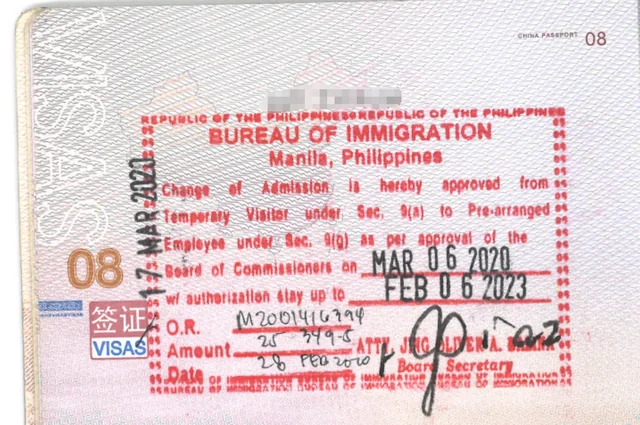
Many foreign employees hired by Philippine companies need a 9(g) Pre-Arranged Employment Visa. Employers should check both the AEP and 9(g) visa requirements to make sure the worker has the proper work authorization and visa for their actual job.
What Changed Under the Revised AEP Application Rules in 2026?
The new rules are meant to reduce paperwork and make AEP applications easier to process. DOLE issued Department Order No. 248-C, Series of 2026, to update Department Order No. 248-B and simplify the application process.
The changes cover the documents employers need to submit, the posting of job vacancies, processing time, who can file the application, and payment. In its announcement dated October 28, 2026, DOLE explained the main updates and its goal of making the process easier for employers and foreign workers.
The updated rules took effect on November 12, 2026, based on the published implementation information. Employers applying for a new AEP or renewing an existing one should check the latest requirements instead of relying only on older checklists.
The main changes are explained below.
1. Fewer Documents Are Required When Filing an AEP Application
One of the main changes is the removal of certain permits and licenses from the documents that applicants must submit with an AEP application.
Under the revised rules, applicants no longer need to submit the following documents as part of the AEP filing:
- Department of Justice (DOJ) Authority to Employ Alien.
- Department of Environment and Natural Resources (DENR) Authority to Hire Foreign National.
- Professional Regulation Commission (PRC) Special Temporary Permit.
- Philippine Construction Accreditation Board (PCAB) License.
This change reduces the number of documents that employers must collect before submitting an AEP application. It may also help companies avoid delays caused by waiting for supporting papers from other government agencies.
However, employers need to understand what this change means. Removing a document from the AEP application requirements does not mean the employer no longer needs to get a permit, license, or approval required under another law. These requirements may still apply separately.
For example, a foreign professional may still need the proper PRC authorization before performing regulated professional work. A construction company must still follow applicable construction accreditation rules. The revised AEP procedure does not give a foreign worker permission to perform activities that require a separate license.
Employers should review the foreign employee’s actual duties and the company’s industry rules before deciding that a separate approval is unnecessary.
2. Broadsheet Newspaper Publication Is No Longer Required
The Labor Market Test is an important part of the AEP process. It allows DOLE to assess whether qualified Filipino workers are available for the position that the employer wants to fill with a foreign national.
Under the earlier procedure, applicants had to arrange publication of the job vacancy in a newspaper of general circulation. This could add time and expense to the application, especially for employers that needed to coordinate with a newspaper publisher.
The revised rules discontinue broadsheet publication at the applicant’s expense. Labor Market Test notices may instead be published through the DOLE Official Portal or Public Repository, or filed with the University of the Philippines Law Center.
This change gives employers a different way to meet the publication requirement. It also reduces the need to arrange and pay for a separate newspaper notice.
However, employers should not assume that the Labor Market Test itself has been removed. The purpose of the process remains important: to check the local labor market and determine whether qualified Filipino workers are available for the position.
Companies should still prepare accurate job information. They should also follow the current DOLE instructions on how and where to submit the required notice.
3. AEP Processing Time Has Been Shortened
Processing time is another major concern for employers hiring foreign workers.
Under the revised procedure, DOLE has reduced the stated AEP processing period from 15 working days to 10 working days. The rules also allow one extension of 10 working days when needed, giving a maximum period of 20 working days under the stated procedure.
This change may help employers plan their hiring activities more clearly. It also gives foreign employees a better idea of how long the labor permit stage may take.
Still, the stated processing period should not be treated as a guarantee that every application will be approved within 10 working days. The actual result may depend on the completeness of the documents, the need for additional review, and whether the application meets the legal requirements.
Employers should not set a definite start date based only on the shorter processing time. They must also allow time for the immigration process and any other approvals required for the job.
A practical approach is to prepare the application early, check every document before filing, and allow time for the 9(g) visa or other required immigration action.
4. Employers May Use Their Own HR Personnel to Process Applications
The revised rules also make it easier for employers to handle AEP applications through their own staff.
Companies may process applications through their HR officers or personnel. Company owners and legal counsel may also take part in the process, subject to the applicable filing and authorization rules.
This gives employers more options when handling applications for foreign employees. Companies with experienced HR teams may be able to prepare and submit the documents themselves instead of depending completely on an outside representative.
However, internal processing still requires care. HR staff should understand the current DOLE checklist, the Labor Market Test, and the difference between an AEP and a work visa.
Employers should also make sure that the person handling the application has the correct company documents and authority to act on the company’s behalf. Poorly prepared submissions can still lead to requests for more information or other delays.
For companies with several foreign employees, it may help to assign one person or team to monitor permit applications, renewal dates, and changes in employment arrangements.
5. Payment Is Collected After Technical Evaluation
The revised rules change when applicants pay the AEP fees. Under the new process, DOLE does not collect fees upon the initial submission of the application.
Instead, the Order of Payment Slip is issued only after the application has been approved following technical evaluation. This means the applicant first submits the required documents for review. Payment follows at the stage stated in the updated procedure.
This is a practical change for employers because it separates the initial filing from the payment step. It also helps applicants understand that submitting an application does not mean that the permit has already been approved.
Companies should follow DOLE’s current payment instructions and keep the official receipt and other related documents. They should avoid sending money to unofficial accounts or using old payment instructions without first checking if they are still valid.
The applicable fees should also be confirmed with DOLE because the amount and payment instructions may depend on the current rules.
6. Philippine Embassies and Consulates May Endorse AEP Applications
The revised procedure also provides a way for Philippine Embassies and Consulates to endorse AEP applications through official notes.
These endorsements may be sent to the Bureau of Local Employment (BLE) or the Department of Foreign Affairs (DFA), as provided under the new rules. This can support coordination when an application involves a foreign national or a matter handled through a Philippine post abroad.
Employers and foreign workers should not assume that an endorsement takes the place of the regular AEP requirements. It only helps send or support the application through the proper government channels. It does not mean the AEP will be automatically approved.
Applicants should check with the relevant Philippine Embassy or Consulate and DOLE office to confirm whether this process applies to their situation.
How Does the Revised AEP Application Affect the 9(g) Work Visa?
The AEP and 9(g) visa have different purposes, but they are often linked for foreign employees. Knowing how they differ helps employers avoid mistakes when hiring foreign workers and arranging their work permits and visas.
The AEP is a labor permit issued by DOLE. The 9(g) Pre-Arranged Employment Visa is an immigration visa issued through the Bureau of Immigration for a foreign national who has arranged employment in the Philippines.
The updated AEP application process may make it easier to apply for a work permit. However, it does not replace the Bureau of Immigration’s visa requirements or guarantee approval of a 9(g) visa.
Employers should coordinate both applications and check the correct filing order under the current rules. They should also confirm whether the foreign employee needs an AEP or qualifies for an exemption or exclusion.
A company should not allow a foreign national to begin working simply because an AEP application has been submitted. The worker must have the required legal authority to perform the job and maintain the proper immigration status.
What Should Employers Prepare Before Filing an AEP Application?
Although the revised rules reduce some requirements, employers still need to prepare a complete application. Good preparation can prevent avoidable delays and help the company respond to DOLE requests.
The required documents depend on the type of application and the worker’s situation. Employers should always check the latest DOLE guidelines. In general, they should review these areas:
- Company records
Prepare the company documents required to show that the employer is properly registered and operating in the Philippines. Check that the company name and details are consistent across the records.
- Employment documents
Review the employment contract or appointment documents. The job title, duties, salary, and employment terms should match the information submitted in the AEP application.
- Foreign worker information
Check the employee’s passport details, personal information, qualifications, and other records required by the current checklist. Make sure names and dates are consistent.
- Labor Market Test requirements
Prepare the job vacancy details and follow the current DOLE rules for publishing or filing them. Keep copies of the records to show that the required steps were completed.
- Special Industry Requirements
Check if the employee’s job or the employer’s industry requires any extra license, permit, or professional authorization. Even if a document is no longer required for an AEP application, the company may still need it under a separate law or regulation.
- Application and Renewal Schedule
Check whether the company is applying for a new permit or renewing an existing one. Keep track of the permit’s expiration date and prepare the renewal documents early.
Why Employers Should Review Their Existing AEP Procedures
The 2026 changes give companies a reason to check their internal hiring and compliance processes. Employers that still follow older procedures may spend time collecting documents that are no longer required at the AEP filing stage.
A review can help the company update its document checklist, assign tasks to HR staff, and plan application schedules. It can also help identify other permits that are still required, even if they are no longer included in the AEP application.
Companies that hire several foreign workers should keep one central record of each employee’s AEP, visa, passport, and employment details. This makes it easier to monitor renewal dates and respond to requests from the DOLE or the Bureau of Immigration.
Employers should also be aware of the separate DOLE directive on application processing. Starting June 9, 2026, new and renewal AEP applications have been processed by the DOLE Central Office instead of the DOLE Regional Offices. Companies should check the latest filing instructions before submitting an application.
Final Perspective
The revised AEP application rules under DOLE Department Order No. 248-C, Series of 2026, make several parts of the process easier for foreign workers and Philippine employers. The changes remove certain documents from the filing stage, end applicant-paid broadsheet publication, shorten the stated processing period, allow employers to use their HR personnel, and move payment to a later stage after technical evaluation.
However, these changes do not remove the need to follow other labor, professional, industry, and immigration rules. Employers must still complete the Labor Market Test and secure any separate approval required for the employee’s work.
Is Assistance Available?
Yes. Work Visa Philippines assists foreign nationals and Philippine employers with AEP applications, 9(g) work visas, renewals, and related immigration requirements. Whether your company is hiring a foreign employee for the first time or updating its existing permit procedures, getting the requirements right can help prevent delays and compliance problems.
Contact us today for a consultation:
- Contact Us Here
- Fill Out the Form Below
- Call us at +63 (02) 8540-9623