Visa assistance services help foreign nationals, employers, and investors prepare, file, and manage immigration applications correctly so they can enter, stay, work, or invest in the Philippines legally. For workvisaphilippines.com, these services matter because Philippine visa rules are layered, document-heavy, and tied to the traveler’s real purpose, whether that purpose is work, business, investment, retirement, or a short visit.
A good visa assistance service does more than submit forms. It helps applicants choose the right visa category, prepare the required documents, coordinate with agencies such as the Bureau of Immigration and DOLE, and avoid the delays that often come from incomplete or inconsistent filings.
Why Visa Help Matters
Philippine visa applications are not one-size-fits-all, and that is the main reason many foreign nationals look for professional assistance. A person coming for a short business meeting may need a different process from someone taking up employment, and a retiree or investor may need an entirely different visa route.
The problem is that many applicants only discover these differences after they have already bought tickets, signed contracts, or arrived in the Philippines. Visa assistance services reduce that risk by matching the traveler’s real purpose with the correct legal path before the application is filed.
What Visa Assistance Services Do
Visa assistance services typically provide end-to-end support for the application process. That can include eligibility review, document preparation, filing, follow-up with agencies, and guidance on renewals or related permits.
In practical terms, a service provider may help with:
- Choosing the correct visa category based on the applicant’s purpose.
- Preparing application forms and supporting documents.
- Coordinating filings with BI, DOLE, or a consulate where required.
- Tracking deadlines for extensions, conversions, or renewals.
- Advising on related documents like ACR I-Cards, work permits, or proof of travel purpose.
This support is especially valuable because the Philippines uses different agencies for different steps, and missing one requirement can delay the whole case.
Who Uses These Services
Visa assistance services are used by a wide range of clients, not just employees. Foreign professionals, company executives, investors, retirees, students, and family members all commonly need help at some point in their immigration journey.
Employers also rely on visa assistance when hiring foreign staff because Philippine work authorization usually requires coordination between DOLE and the Bureau of Immigration. For companies, the service helps reduce onboarding delays and keeps the foreign hire legally employable from the start.
Common Visa Types They Handle
A strong visa assistance provider should be able to support several visa and permit categories, since different clients need different routes. The most common Philippine immigration categories include visitor visas, work visas, investor visas, retirement visas, student visas, and special non-immigrant routes.
Examples include:
- 9(a) Temporary Visitor Visa for tourism and business visits.
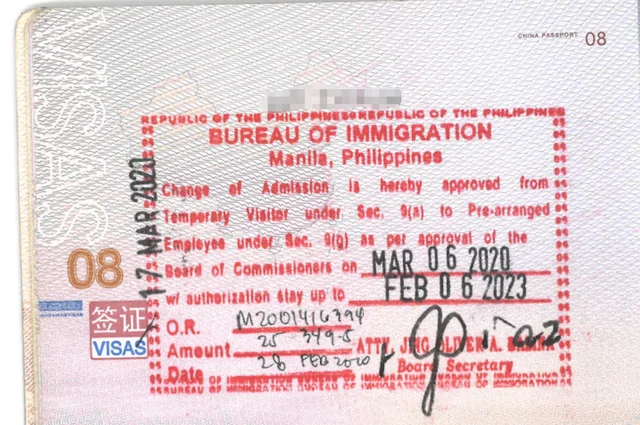
- 9(g) Pre-Arranged Employment Visa for foreign employees.
- Alien Employment Permit (AEP) for foreign workers who need work authorization from DOLE.
- Provisional Work Permit (PWP) for temporary work while the 9(g) is pending.
- Special Work Permit (SWP) for short-term work assignments.
- SIRV for qualifying foreign investors.
- SRRV for retirees who meet the required criteria.
- ACR I-Card registration and certification for many foreign residents and visa holders.
A provider that understands these categories can help the applicant avoid filing under the wrong route.
How Professional Support Works
The process usually starts with an eligibility or case assessment. The provider reviews the applicant’s nationality, purpose of stay, intended length of stay, employer or sponsor details, and current status in the Philippines, then recommends the proper visa path.
After that, the service helps collect the correct documents and check them for consistency. This step matters because many delays come from missing signatures, expired passports, incorrect photos, or documents that do not match the actual visa category.
Once the file is ready, the service may submit it to the relevant office, monitor the case, and follow up on any requested corrections or additional documents. For complex cases, the provider can also coordinate with legal or immigration specialists when the applicant needs a work permit, employer sponsorship, or a special resident route.
Why Employers Need It
Employers benefit from visa assistance services because hiring a foreign worker in the Philippines is not just an HR issue; it is a compliance issue. The company must often support the AEP, the 9(g), and any related immigration documents before the employee can legally start work.
A visa assistance provider can help the employer avoid common mistakes such as starting work too early, filing incomplete documentation, or missing the bridge between the AEP and the work visa. For companies with project deadlines, this can be the difference between a timely launch and a delayed assignment.
Why Expats Need It
Expats often need visa assistance because they may not be familiar with Philippine immigration terminology, filing procedures, or agency timelines. A foreign national who understands U.S. or European work mobility rules may still be surprised by how Philippine work, residence, and registration processes are separated across BI, DOLE, and other offices.
For example, a foreigner entering on a business visit may later need a work visa if the role becomes operational. A retiree may need guidance on residence registration and ACR I-Card requirements. An investor may need a special resident route that depends on capital placement and investment registration.
What Good Service Looks Like
Good visa assistance is not just about speed; it is about accuracy and compliance. A reliable provider should explain the visa type, outline the document checklist, identify the likely timeline, and tell the applicant what is and is not allowed under the chosen category.
It should also provide realistic guidance on what the applicant must prepare personally, such as passports, clearances, photos, medical reports, or civil records. If a provider promises instant approval or ignores the actual legal requirements, that is usually a warning sign rather than a benefit.
Common Problems Visa Assistance Helps Prevent
Visa assistance services are especially useful because many visa problems are preventable. The most common issues are usually not dramatic legal disputes; they are simple filing errors that lead to delay or rework.
Common problems include:
- Filing under the wrong visa type.
- Submitting incomplete or inconsistent documents.
- Missing a renewal deadline for work or residence status.
- Starting work without the correct permit or visa in place.
- Failing to secure an ACR I-Card or related registration when required.
A good visa assistance provider helps catch these issues early, before they become expensive or disruptive.
Key Takeaways
Visa assistance services help foreign nationals and employers handle Philippine immigration correctly from the beginning. They reduce confusion, prevent paperwork mistakes, and keep the applicant aligned with the proper visa, permit, and registration requirements.
Get Expert Assistance
For anyone coming to the Philippines to work, invest, retire, or join a family, professional guidance can make the difference between a smooth process and a costly delay. Work Visa Philippines provides visa assistance services designed to help foreign nationals and employers move through the Philippine immigration process with confidence and compliance.
That is why visa assistance is valuable: it helps people choose the right route, prepare the right documents, and stay legal from entry to renewal. In a system where the wrong filing can create delays or overstay issues, that support has real business value. Contact us today:
- Contact Us Here
- Fill Out the Form Below
- Call us at +63 (02) 8540-9623