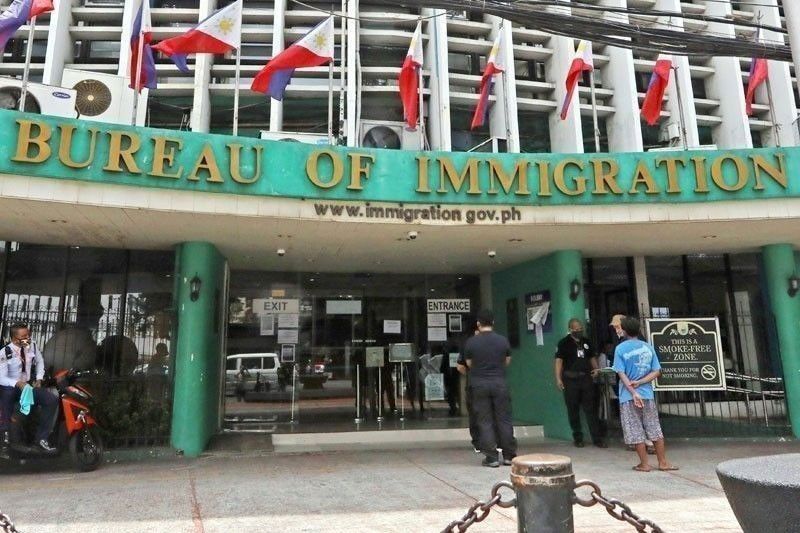
Foreign professionals who plan to continue working in the Philippines after their current 9(g) visa expires need to complete the appropriate extension process before their authorized stay ends. The Bureau of Immigration (BI) refers to this transaction as an Extension of Pre-arranged Employee – Commercial Visa, commonly called a 9(g) visa extension or renewal.
To renew a 9G visa, the foreign employee must continue to qualify for the visa and must have an ongoing employment relationship with the Philippine company supporting the application. The process also involves the employer, because the 9(g) is based on pre-arranged employment.
Renewal should not be treated as an automatic extension. The applicant must submit the required documents, undergo BI processing, and complete visa implementation after approval. The Bureau of Immigration’s current procedure states that applicants for an extension of the commercial 9(g) visa should be inside the Philippines when filing.
The labor side of the renewal must also be considered. A foreign employee covered by the Alien Employment Permit (AEP) system needs the appropriate labor authorization from the Department of Labor and Employment (DOLE). Since June 9, 2026, AEP processing, including renewals, has been centralized at the DOLE Central Office.
What Is a 9G Visa Renewal?
A 9(g) visa renewal is technically an extension of an existing Pre-arranged Employment – Commercial Visa.
The 9(g) visa is a non-immigrant visa for foreign nationals who have pre-arranged employment in the Philippines. The commercial category covers foreign nationals who intend to continue employment with a Philippine company. The BI’s current service information specifically provides an Extension of Pre-arranged Employee – Commercial transaction for existing 9(g) holders who wish to continue their employment in the Philippines.
The extension is therefore different from applying for a 9(g) visa for the first time.
A renewal normally involves an existing visa holder who:
- Already holds a commercial 9(g) visa
- Continues to work for the same Philippine employer
- Wants to extend the authorized employment and stay
- Remains eligible for the relevant immigration status
- Is in the Philippines when the extension application is filed
If the employee has changed employers, changed the nature of the employment, or experienced another material change in circumstances, a different immigration procedure may be necessary.
When Should You Renew a 9G Visa?
Planning the renewal before expiration is important because a foreign employee’s legal ability to remain and work in the Philippines depends on maintaining the appropriate status and work authorization.
The safest approach is to begin preparing well before the current 9(g) visa expires. This gives the employer and employee time to check the AEP, employment contract, corporate documents, passport, ACR I-Card, and other requirements.
The BI’s current 9(g) extension procedure requires the applicant to be inside the Philippines at the time of filing.
Employers should therefore avoid waiting until the final days of validity to begin gathering documents.
A renewal should also be coordinated with the AEP. Under the current DOLE framework, AEP renewal applications can be filed within the prescribed period before the AEP expires, and the AEP remains a separate labor authorization from the 9(g) visa.
What Are the Basic Requirements to Renew a 9G Visa?
The exact documentary requirements should always be checked against the latest BI checklist, but the Bureau’s current commercial 9(g) extension procedure identifies several core requirements.
The BI lists the following for the extension of a commercial 9(g):
- Complete documentary checklist
- Application form
- Additional information concerning children, when applicable
- Notarized certification of the number of foreign and Filipino employees
The Bureau also identifies the Consolidated General Application Form (CGAF) as part of the application process.
Supporting employment and corporate documents may also be required, depending on the application and the current BI checklist.
Employers should make sure that the information presented to BI remains consistent with the employee’s actual employment. In particular, the employer should review the employment contract, position, compensation, duration of employment, and corporate information before filing.
What Documents Does the Employer Need to Prepare?
The employer has an important role in a 9(g) extension because the visa is based on continued employment.
The Bureau’s Citizens’ Charter identifies employment documentation among the requirements for commercial 9(g) extensions. For example, a current BI checklist used for commercial 9(g) extension applications requires documentation such as a renewed employment contract or an equivalent appointment or assignment document, with details concerning compensation, employment duration, and the nature and scope of the applicant’s work.
Corporate documents may also be requested to establish the employer’s identity and continuing operations.
Employers should therefore prepare current versions of relevant records rather than simply submitting the documents used during the employee’s original visa application.
This is particularly important when the company has changed its corporate information, business address, officers, ownership structure, or other material information since the original 9(g) application.
The AEP Must Be Checked Separately
A 9(g) visa and an AEP are not the same document.
The 9(g) is an immigration visa administered by the Bureau of Immigration. The AEP is a labor authorization administered by DOLE for covered foreign workers.
DOLE’s current rules state that, unless an exemption or exclusion applies, an employer intending to employ a foreign national must secure an AEP before the foreign employee actually starts employment.
The AEP, therefore, needs to be reviewed as part of the 9(g) renewal process.
This is especially important if the foreign employee’s AEP is also approaching expiration. The employer should coordinate the two applications rather than assume that extending the 9(g) automatically extends the AEP.
AEP Renewals Are Now Processed Centrally
Employers renewing a foreign employee’s AEP need to follow the current 2026 system.
Effective June 9, 2026, DOLE centralized the processing, evaluation, approval, issuance, release, adjudication, and enforcement functions for AEPs. Regional DOLE offices stopped accepting and processing both new and renewal AEP applications.
DOLE’s updated system places these functions under the Bureau of Local Employment.
Current DOLE information also states that new and renewal AEP applications are filed and processed through the centralized system, with employers or authorized representatives able to submit applications electronically.
This is an important update for companies that previously renewed AEPs through their local DOLE regional office.
An employer preparing to renew a 9(g) should therefore confirm the current AEP procedure rather than follow an older checklist or regional filing instruction.
What Is the Step-by-Step Process to Renew a 9G Visa?
The renewal process involves several stages, from checking eligibility to implementing the approved visa.
1. Review the Current Employment
The first step is to confirm that the foreign employee is continuing employment with the same Philippine company.
The BI describes the commercial 9(g) extension as available to existing holders who wish to continue their employment with the same commercial company in the Philippines.
The employer should review the employee’s position, duties, compensation, and employment contract before starting the application.
If the employee has changed employers, the company should not automatically file an ordinary renewal.
2. Check the AEP
The employer should determine whether the foreign employee’s AEP remains valid and whether it also needs to be renewed.
If an AEP renewal is required, it should be handled through the current centralized DOLE process.
DOLE’s foreign employment rules also provide for exemptions and exclusions from the standard AEP requirement, so employers should verify the employee’s current category rather than assume that every foreign worker follows exactly the same process.
3. Prepare the BI Documents
Next, the employee and employer should gather the documents required for the 9(g) extension.
The BI identifies the CGAF, supporting documents, and notarized certification concerning the employer’s Filipino and foreign employees among the requirements for the commercial 9(g) process.
Documents should be checked carefully for consistency before submission.
4. File the Extension Application
The applicant should submit the complete application to the appropriate BI office authorized to process the transaction.
The current BI procedure provides for submission for pre-screening, payment of applicable fees, and the succeeding immigration steps.
The applicant should be inside the Philippines when filing the extension application.
5. Attend the BI Hearing
The commercial 9(g) extension process includes a hearing.
The applicant should monitor the application and comply with any instructions issued by BI during processing. Missing a required appearance or failing to provide additional documents can affect the application timeline.
6. Complete ACR I-Card Processing
The 9(g) extension also involves the foreign national’s ACR I-Card.
The BI states that for a visa extension, previously captured biometric data may be used for printing the renewed ACR I-Card. The Bureau also has specific biometric rules based on the applicant’s age.
The ACR I-Card should not be confused with the AEP. The ACR is an immigration registration document, while the AEP concerns authorization to work under the Philippine labor system.
7. Wait for Approval
After submission, the applicant should monitor the application’s status through the appropriate BI channels.
Approval of the application is necessary before the visa can be implemented.
Applicants should avoid relying on unofficial claims about guaranteed approval or fixed processing periods because individual applications can involve different documentary or administrative circumstances.
8. Submit the Passport for Visa Implementation
Once the extension has been approved, the BI procedure requires the passport to be submitted for visa implementation.
The applicant can then complete the process for the renewed ACR I-Card where applicable.
The foreign employee should retain copies of the approved documents and updated immigration records for future renewals, travel, employment changes, or other transactions.
What Happens to Dependents During a 9G Renewal?
The 9(g) framework also covers certain dependents of the principal visa holder.
The BI identifies the spouse and unmarried children below 21 years old as eligible dependents of a qualifying 9(g) holder, subject to the applicable requirements.
Dependents should have their own immigration records reviewed during the renewal process.
The employer or foreign employee should not assume that renewing the principal’s 9(g) automatically resolves every requirement for the dependents. Their documents and immigration status should be checked separately.
This is particularly important when a child approaches the applicable age limit or when a family member’s circumstances have changed.
Can You Travel While Renewing a 9G Visa?
Travel during a pending 9(g) extension requires careful planning.
The BI’s current commercial 9(g) extension procedure specifies that the applicant should be inside the Philippines when filing.
Foreign employees who need to leave the country while an application is pending should therefore check with BI about the consequences for the pending application and their immigration status before making travel arrangements.
The safest approach is to avoid unnecessary international travel during a sensitive stage of the renewal unless the immigration implications have been reviewed.
This is particularly important when the existing visa is close to expiration.
What If the 9G Visa Has Already Expired?
An expired visa should not simply be treated as a normal renewal.
Once the authorized immigration status has expired, the foreign national’s situation may involve additional immigration requirements, penalties, or other consequences depending on the circumstances.
The BI maintains separate procedures for immigration transactions involving extensions, updating of stay, revalidation, and other matters. Its current forms list includes procedures for revalidation and other immigration actions.
A foreign national whose 9(g) visa has already expired should therefore obtain advice on the appropriate BI procedure instead of assuming that a standard extension application will resolve the problem.
Early renewal preparation is preferable to dealing with an expired status.
Do 9G Holders Need an Annual Report?
Renewing a 9(g) work visa does not eliminate the foreign national’s separate annual reporting obligation.
The Bureau of Immigration’s 2026 Annual Report Guidelines cover registered foreign nationals holding ACR I-Cards or paper-based ACRs with valid visas. The guidelines state that annual reporting is required within the first 60 days of each calendar year and requires personal appearance, subject to the procedures provided by BI.
BI also reminded registered foreign nationals that the annual report requirement applies to holders of immigrant and non-immigrant visas who have been issued ACR I-Cards.
The annual report should therefore be treated as a separate compliance obligation from the 9(g) renewal.
How Much Does It Cost to Renew a 9G Visa?
The cost of a 9(g) extension depends on the applicable fees and circumstances of the applicant.
The BI’s online 9(g) service page publishes fee tables for one-, two-, and three-year transactions, but it expressly states that those fees were updated as of March 6, 2014 and may change without prior notice.
For this reason, older online articles should not be used as the sole source for current 9(g) renewal fees.
Applicants should confirm the current fees with BI when preparing the application.
The same principle applies to AEP fees. Employers should use the current DOLE/BLE requirements and payment instructions rather than relying on outdated fee schedules.
A Practical 9G Renewal Checklist
Preparing the renewal as a coordinated employer-and-employee process can make the application easier to manage.
Before filing, check the following:
- Current 9(g) expiration date
- Valid passport
- Current ACR I-Card
- Employment contract and employment details
- Current AEP or applicable AEP exemption/exclusion
- Employer’s corporate documents
- Notarized certification of Filipino and foreign employees
- Current BI forms and checklist
- Dependent documents, if applicable
- Annual Report compliance
- Current BI and DOLE filing procedures
- Applicable government fees
The checklist should be verified against the latest BI and DOLE requirements before filing because immigration and labor procedures can be amended.
Key Takeaways
To renew a 9G visa successfully, foreign employees and Philippine employers need to treat the process as an ongoing compliance matter rather than a simple visa stamp renewal.
The Bureau of Immigration provides an extension process specifically for existing commercial 9(g) holders who intend to continue employment with the same Philippine company. The current procedure requires the applicant to be inside the Philippines when filing and includes document submission, payment, a hearing, ACR I-Card processing, approval, and visa implementation.
The AEP must also be considered separately. Since June 9, 2026, DOLE has centralized new and renewal AEP processing under its Central Office, meaning older regional filing instructions may no longer apply.
Starting the renewal process early, keeping employment documents consistent, checking AEP validity, and using the current BI and DOLE requirements can help employers and foreign employees maintain lawful employment and immigration status.
Need Help to Renew a 9G Visa in the Philippines?
Renewing a 9(g) involves both immigration and employment considerations, particularly when the foreign employee also needs to renew an AEP. Work Visa Philippines can assist foreign employees and Philippine employers with 9(g) visa applications, extensions, work permits, and related immigration requirements.
For assistance to renew a 9G visa, contact us today:
- Contact Us Here
- Fill Out the Form Below
- Call us at +63 (02) 8540-9623