Foreign nationals planning to work in the Philippines often encounter two terms during the immigration process: the Alien Employment Permit (AEP) and the 9(g) Pre-Arranged Employment Visa. Because both are connected to foreign employment, they are sometimes treated as if they are interchangeable. They are not.
Understanding the difference between the AEP and the 9G visa is important for both foreign employees and Philippine employers. The AEP is a labor authorization administered by the Department of Labor and Employment (DOLE), while the 9(g) is an immigration visa administered by the Bureau of Immigration (BI). In many ordinary employment situations, a foreign worker may need to address both.
The process has also changed since older online guides were published. DOLE introduced new rules for employing foreign nationals in 2025, and AEP processing was centralized nationwide in 2026. Employers and foreign workers should therefore use current requirements rather than relying on older procedures.
What Is an AEP?
The AEP is the labor authorization that regulates the employment of covered foreign nationals in the Philippines.
Under the current DOLE framework, the AEP system is intended to regulate the employment of foreign nationals while giving preference to Filipino workers and encouraging the transfer of skills and knowledge to the Philippine workforce. DOLE Department Order No. 248, Series of 2025, established new rules and regulations for the employment of foreign nationals.
The AEP process examines the proposed employment rather than simply granting a foreign national general permission to work anywhere in the Philippines.
The application can involve information about:
- The Philippine employer
- The foreign employee
- The position being offered
- The employee’s qualifications
- The employment period
- The employer’s workforce
- The availability of qualified Filipino workers
- Other requirements applicable to the employer or position
An AEP is therefore closely connected to the specific employment arrangement.
What Is a 9G Visa?
The 9(g) visa is an immigration visa for qualifying foreign nationals who have pre-arranged employment in the Philippines.
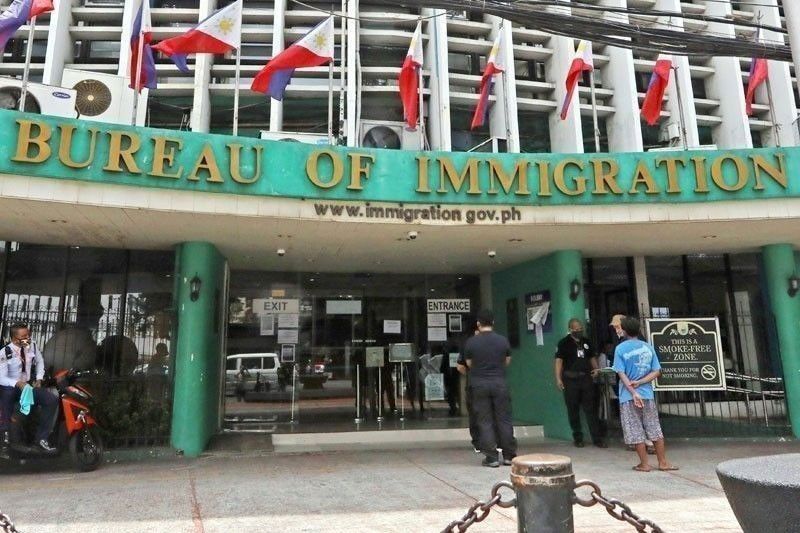
The Bureau of Immigration identifies the Pre-Arranged Employment Visa (Commercial) as a visa for foreign nationals proceeding to the Philippines to engage in a lawful occupation for wages, salary, or other forms of compensation. The BI also describes the applicant as being hired by a Philippine-based company that acts as the petitioner for the visa.
The 9(g) therefore addresses the immigration side of the foreign employee’s stay.
In simple terms:
AEP = labor authorization
9(g) visa = immigration visa for qualifying pre-arranged employment
This distinction is the starting point for understanding AEP vs 9G visa.
AEP vs 9G Visa: What Is the Main Difference?
The biggest difference is the government agency and legal purpose behind each authorization.
The AEP is handled by DOLE, while the 9(g) is handled by the Bureau of Immigration.
| AEP | 9(g) Visa |
| Administered by DOLE | Administered by the Bureau of Immigration |
| Relates to employment authorization | Relates to immigration status |
| Applies to foreign nationals covered by the AEP system | Applies to qualifying foreign nationals with pre-arranged employment |
| Considers labor market and employment requirements | Establishes immigration status for employment |
| Connected to the approved position and employer | Connected to the petitioning/employing Philippine company |
| Does not replace an immigration visa | Does not replace labor authorization where an AEP is required |
The two should therefore not be viewed as competing alternatives.
For a typical foreign professional hired by a Philippine company, the question is often not whether to obtain an AEP or a 9(g). Instead, the employer needs to determine how the two requirements fit together.
Does a Foreign Worker Need Both an AEP and a 9G Visa?
For many ordinary foreign employees of Philippine companies, both labor and immigration requirements must be considered.
The AEP addresses whether the foreign national may be employed under the applicable DOLE rules. The 9(g) addresses the foreign national’s immigration status for the pre-arranged employment.
However, not every foreign national automatically follows the same process.
DOLE rules provide for categories that may be exempt from or excluded from the AEP requirement. In applicable cases, the foreign national may need a Certificate of Exemption or Exclusion rather than a standard AEP. DOLE’s 2025 rules specifically strengthened the documentation of these categories.
Likewise, other immigration categories can apply to foreign nationals whose activities do not fit ordinary commercial employment.
This is why employers should determine the correct category before filing.
Why the AEP Is Not a 9G Visa
The difference becomes clearer when looking at what each document is designed to accomplish.
An AEP is a labor-related authorization. It does not, by itself, provide the foreign national with the immigration status required for long-term employment in the Philippines.
A 9(g) visa, on the other hand, is an immigration visa. It does not eliminate the need to satisfy separate labor requirements where the AEP rules apply.
A foreign national should therefore not assume that obtaining a 9(g) automatically resolves every employment requirement.
Similarly, an AEP should not be treated as a substitute for the appropriate immigration status.
The two systems operate alongside each other.
How the AEP Process Works
The AEP process begins with the employer’s proposed employment of the foreign national.
Under the current rules, DOLE considers the availability of Filipino workers and other factors when assessing an application. Department Order No. 248 introduced the Economic Needs Test as part of the framework for evaluating the need for foreign employment.
The employer should therefore prepare the employment information carefully.
This includes ensuring that the job description accurately describes the position and that the foreign employee’s qualifications correspond to the requirements of the job.
The 2025 rules also introduced or strengthened requirements concerning skills transfer in certain circumstances.
Under Department Order No. 248-A, an Understudy Training Program or Skills Development Program Plan may be required for certain establishments, including specified enterprises registered under the Foreign Investments Act that employ foreign nationals and enjoy fiscal incentives, certain public utilities or critical infrastructure businesses, and establishments identified as strategic investments.
Not every employer will fall into these categories, but employers should determine whether the additional requirements apply to them.
What Is the Labor Market Test?
The labor market component is an important part of the AEP system.
The purpose is to determine whether qualified Filipino workers are available for the position before a foreign national is authorized under the applicable AEP rules.
The 2025 framework requires publication of the relevant vacancy in a newspaper of general circulation. Department Order No. 248-A clarified that employers are encouraged to post the vacancy through PhilJobNet and the Public Employment Service Office or Job Placement Office, but those additional postings are not a precondition to filing the AEP application.
The rules are therefore different from some older guides that continue to describe all three publication channels as mandatory conditions for filing.
Employers should follow the current DOLE requirements applicable at the time of the application.
When Should the AEP Application Be Filed?
Timing is another area where employers should avoid relying on outdated information.
DOLE’s 2025 rules require that the AEP application be filed within the applicable period following the execution of the employment contract or the issuance of the appointment. DOLE’s current guidance states that employers must apply within 15 calendar days of signing the employment contract or issuing the foreign national’s appointment.
The vacancy publication rules can also affect when the application can be filed.
Because the AEP process changed again in 2026, employers should confirm the current filing procedure before submitting an application.
The important point is that the AEP should be treated as part of the employment onboarding process, rather than paperwork that can be addressed after the foreign worker has already begun working.
AEP Processing Is Now Centralized
One of the most important recent developments for employers is the centralization of AEP processing.
DOLE Department Order No. 248-B, Series of 2026, centralized the filing, processing, evaluation, approval, issuance, release, adjudication, and enforcement functions relating to AEPs. The change took effect on June 9, 2026.
This means older instructions directing employers to process new or renewal AEP applications through their local DOLE regional office may no longer reflect the current system.
DOLE’s 2026 transition information specifically refers to the cessation of regional AEP processing and evaluation as part of the centralized framework.
Employers preparing applications should therefore use the current centralized process and requirements.
How the 9G Visa Process Works
The 9(g) visa process addresses the foreign employee’s immigration status after the employment arrangement has been established.
The Bureau of Immigration’s current procedure for conversion to a Pre-Arranged Employee Commercial visa includes submitting the required checklist and application form, providing supporting documents, paying applicable fees, attending a hearing, completing the relevant biometric and ACR I-Card process, and submitting the passport for visa implementation if the application is approved.
The BI also identifies a notarized certification of the number of foreign and Filipino employees as part of the commercial 9(g) requirements.
The exact documentary requirements should be checked against the current BI checklist because immigration requirements can change.
Can a Foreign Worker Apply for a 9G Without a Philippine Employer?
For the ordinary commercial 9(g), employment with a Philippine-based company is central to the application.
The Bureau of Immigration’s FAQ states that the foreign national must have been hired by a Philippine-based company, which will apply for the pre-arranged employment visa as the petitioning employer.
This is one of the reasons the 9(g) visa is different from an immigration status based solely on an individual’s financial resources, tourism, or personal circumstances.
The visa is tied to the foreign national’s pre-arranged employment.
A person who wants to work for a Philippine company should therefore establish the employment relationship before assuming that a 9(g) application can proceed.
What Happens if the 9G Application Is Still Pending?
The existence of a pending 9(g) application does not automatically mean that the foreign national has unrestricted permission to work.
The Bureau of Immigration provides a Provisional Work Permit (PWP) for a foreign national during the pendency of an application for a pre-arranged employment visa.
A PWP is therefore relevant when the foreign employee needs work authorization while the immigration application is still being processed.
However, employers should not assume that a PWP eliminates other applicable labor requirements.
The AEP and 9(g) systems have different purposes, so the company should establish which labor and immigration documents the foreign national needs before the employee begins working.
Is an ACR I-Card the Same as an AEP or 9G?
The ACR I-Card is another document that can cause confusion.
The ACR I-Card is an immigration registration and identification document. It is not the same thing as an AEP and should not be treated as an independent work permit.
The Bureau of Immigration’s 9(g) procedure includes an ACR I-Card application as part of the immigration process.
This means a foreign worker may encounter all three terms during the immigration process:
- AEP: labor authorization from DOLE
- 9(g): employment-based immigration visa
- ACR I-Card: immigration registration/identification document
Keeping these functions separate helps prevent misunderstandings about work authorization.
What Happens When the Employee Changes Employers?
A change of employer should be treated as an immigration and labor compliance issue.
AEP authorization is connected to the employment for which it was issued, and the foreign worker should not assume that the permit automatically follows them to a different company.
The same principle applies to the 9(g) visa.
The Bureau of Immigration’s 9(g) framework is based on pre-arranged employment and a Philippine-based petitioner.
Therefore, a foreign employee who leaves the sponsoring employer and joins another Philippine company should have the new employment arrangement reviewed before beginning the new job.
The employer should determine whether a new AEP, new immigration application, amendment, downgrade, or another procedure is required under the circumstances.
What About a Change in Position?
Changing positions can also affect compliance.
An AEP is connected to the employment for which it was granted. Under the current rules, employers should review the applicable requirements if the foreign national’s employer or approved position changes.
A material change in job duties should not automatically be treated as an internal HR matter with no immigration consequences.
For example, a foreign employee hired for a technical position who later moves into a substantially different role may need the company to reassess the labor authorization requirements.
Employers should review the position before implementing major changes.
Are There AEP Exemptions and Exclusions?
Not every foreign national working in the Philippines is necessarily subject to the standard AEP process.
The DOLE rules identify categories that are exempted or excluded from the AEP requirement, subject to the conditions and documentation required by the applicable rules.
The 2025 framework also requires certain foreign nationals who fall within exemption or exclusion categories to obtain the appropriate certification from DOLE before engaging in employment.
This is important because an employer should not simply assume that a foreign worker needs a standard AEP—or assume that the worker does not need one—without checking the applicable category.
The correct approach is to identify the legal basis for the exemption or exclusion and complete the corresponding documentation.
Are There Other Work Visa Options?
The 9(g) is an important employment visa, but it is not the only immigration category that can be relevant to foreign nationals performing activities in the Philippines.
The appropriate route depends on the nature of the work, employer, industry, duration, and legal basis for the foreign national’s stay.
Some foreign nationals may qualify for specialized permits or visa categories rather than the ordinary commercial 9(g). Certain temporary activities, for example, can involve a Special Work Permit rather than a long-term employment visa.
Foreign nationals working remotely for foreign employers or clients may also fall under a different immigration framework from employees hired by Philippine companies.
This is why employers should assess the actual work arrangement instead of selecting a visa simply because it is commonly described online as a “work visa.”
AEP vs 9G Visa for Employers
For employers, understanding the distinction helps organize the hiring process correctly.
The AEP side primarily involves labor authorization and the Philippine employment market. The 9(g) side involves immigration status based on pre-arranged employment.
A practical employer workflow is:
- Define the position and employment arrangement.
- Confirm whether the foreign national is subject to the AEP requirement.
- Review the current DOLE labor market requirements.
- Determine whether any exemption, exclusion, Economic Needs Test, or skills-transfer requirement applies.
- Prepare and submit the AEP through the current centralized process, where required.
- Prepare the appropriate Bureau of Immigration application.
- Determine whether a PWP is applicable while the 9(g) application is pending.
- Confirm work authorization before allowing the employee to begin work.
- Monitor the AEP and immigration status throughout employment.
- Review compliance before changing the employee’s employer or position.
This separation makes it easier for HR and management teams to identify which requirement belongs to which government agency.
AEP vs 9G Visa for Foreign Workers
Foreign employees should also understand the distinction before accepting a Philippine job.
An employment contract establishes the relationship with the employer, but it does not by itself replace the government authorizations required for foreign employment.
A foreign worker should ask the prospective employer:
- Will the company act as the petitioner for the 9(g)?
- Is an AEP required for the position?
- Who will prepare the AEP application?
- What documents must the employee provide?
- When can the employee legally begin working?
- Is a PWP applicable while the 9(g) application is pending?
- What happens to the visa and AEP if employment ends?
- What procedures apply if the employee changes position?
These questions can help identify compliance issues before the employee relocates to the Philippines.
Why Understanding AEP vs 9G Visa Matters
The distinction between the AEP and 9(g) is more than a technical issue.
A foreign worker may have an immigration document but still have unresolved labor authorization requirements. Conversely, an employer may have completed the labor permit process while the employee’s immigration status still needs to be addressed.
The two processes must therefore be coordinated.
This is particularly important under the current Philippine system because the AEP rules were substantially updated in 2025 and the processing structure was centralized in 2026.
Employers that understand the difference can plan recruitment, documentation, onboarding, and renewals more effectively.
Final Insights
When comparing AEP vs 9G visa, the most important point is that they serve different legal functions.
The Alien Employment Permit is part of the Philippine labor system and is administered by the DOLE. It regulates the employment of covered foreign nationals and incorporates labor market considerations, qualifications, and, in applicable cases, skills-transfer requirements.
The 9(g) Pre-Arranged Employment Visa is an immigration authorization administered by the Bureau of Immigration for qualifying foreign nationals who have pre-arranged employment in the Philippines. The BI identifies a Philippine-based employer as the petitioner for the commercial 9(g).
For many foreign employees of Philippine companies, the two requirements work together rather than replacing one another.
Employers should also remember that the system is not static. DOLE’s 2025 foreign employment rules and the 2026 centralization of AEP processing have changed procedures that appear in older online guides. Using current government requirements is therefore essential when preparing an application.
Need Help With an AEP or 9G Visa?
Understanding the difference between an AEP and a 9(g) visa is an important first step, but the correct process depends on the foreign employee, employer, position, and circumstances.
Work Visa Philippines assists foreign nationals and Philippine employers with work visa and employment permit requirements, including 9(g) applications and related immigration matters.
For assistance with an AEP, 9G visa, work permits, employment visas, or foreign employee compliance, contact us to discuss the applicable requirements for your employment arrangement:
- Contact Us Here
- Fill Out the Form Below
- Call us at +63 (02) 8540-9623