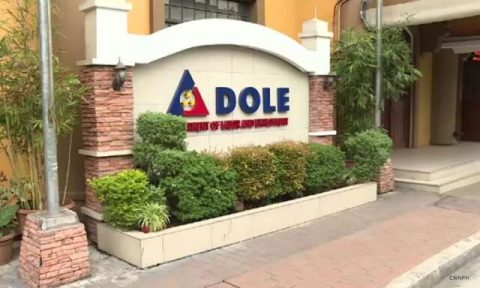
Foreign nationals who want to work in the Philippines must comply with both immigration and labor regulations. One of the most important labor requirements is the Alien Employment Permit (AEP), which is administered by the Department of Labor and Employment (DOLE).
Understanding the DOLE requirements for foreign workers is essential for both employers and foreign professionals. The AEP is separate from an immigration visa, such as the 9(g) Pre-Arranged Employment Visa. A foreign national may need to secure both the appropriate labor authorization and immigration status before legally working for a Philippine employer.
The rules have also changed significantly. DOLE issued Department Order No. 248, Series of 2025, establishing new rules on the employment of foreign nationals. Department Order No. 248-A later clarified and amended several provisions. In June 2026, DOLE centralized AEP processing nationwide, meaning older instructions about filing new or renewal applications through regional DOLE offices are no longer current.
For employers hiring foreign professionals, understanding the current requirements before the employee begins work can help prevent avoidable compliance problems.
What Is an Alien Employment Permit?
The AEP is the principal DOLE authorization for covered foreign nationals who are employed in the Philippines.
DOLE explains that the AEP system regulates the employment of foreign nationals while safeguarding the interests of Filipino workers. Under Article 40 of the Labor Code, a foreign national seeking employment in the Philippines and an employer intending to employ a foreign national are subject to the applicable employment permit requirements.
The AEP is connected to a particular employment arrangement. It is not a general permit allowing a foreign national to work for any company or perform any occupation in the Philippines.
The application can therefore involve information about:
- The foreign employee
- The Philippine employer
- The position being offered
- The employee’s qualifications
- The employment arrangement
- The availability of qualified Filipino workers
- The workplace
- Other requirements applicable to the employer or position
This makes the AEP an important part of the hiring process rather than a document that should be addressed only after employment has started.
Who Needs an AEP?
The AEP requirement generally applies to foreign nationals who intend to engage in gainful employment in the Philippines, unless they fall under a recognized exemption or exclusion.
DOLE’s current foreign employment framework provides specific categories of foreign nationals who may be exempted or excluded from the ordinary AEP requirement. The applicable category must be established based on the person’s circumstances and the nature of the employment.
Employers should therefore avoid two assumptions: that every foreign national automatically needs a standard AEP, or that a foreign national can work without one simply because the position is temporary, specialized, or managerial.
Where an exemption or exclusion applies, the foreign national may still need the appropriate DOLE certification or documentation confirming that status.
The correct approach is to identify the employee’s category first and then determine which authorization applies.
What Are the Main DOLE Requirements for Foreign Workers?
The exact documents can vary depending on the foreign national, employer, position, and applicable category, but the AEP process is built around several core requirements.
Employers should generally be prepared to provide information and documents concerning:
- The foreign worker’s identity and qualifications
- The Philippine employer
- The proposed position
- The employment relationship
- The employer’s workforce
- The applicable labor market requirements
- Additional documents, where required, by the nature of the employer or position
DOLE’s current AEP materials include an AEP application form, exemption and exclusion application forms, a Labor Market Test form, and other prescribed documents.
The employer should ensure that information is accurate and consistent across the application, employment contract, corporate records, and supporting documents.
Incomplete or inconsistent submissions can create additional compliance requirements and delay the application.
The Foreign Worker Must Meet the Position’s Requirements
DOLE’s AEP assessment is not simply an identity check.
The employer needs to demonstrate the nature of the position and the foreign national’s suitability for the role. Educational credentials, work experience, professional qualifications, and other relevant information can therefore become important parts of the application.
DOLE’s 2025 rules were designed to strengthen the evaluation of foreign employment, including consideration of the availability of qualified Filipino workers and the foreign national’s qualifications.
For employers, this means a vague job description or incomplete record of the candidate’s qualifications can make the application more difficult to evaluate.
A company hiring a foreign technical specialist, for example, should clearly identify the technical responsibilities of the position and provide documentation supporting the candidate’s relevant education and experience.
The Labor Market Test Is an Important Requirement
The labor market component is one of the central features of the AEP system.
The purpose is to determine whether a competent, able, and willing Filipino worker is available to perform the services for which the foreign national is being hired. DOLE’s AEP guidance identifies the availability of qualified Filipino workers as an important consideration in granting employment permits.
The 2025 rules also introduced an Economic Needs Test (ENT) as part of the framework for evaluating AEP applications. DOLE described the ENT as a mechanism for assessing the necessity of hiring foreign nationals based on the availability of qualified Filipino workers.
This does not mean that Philippine companies are prohibited from hiring foreign professionals. Rather, employers should be prepared to establish why the foreign employee is being hired and how the person’s qualifications relate to the position.
What Are the Job Publication Requirements?
DOLE’s 2025 rules changed the way employers satisfy the labor market publication requirement.
Department Order No. 248-A states that the job vacancy publication must be made in a newspaper of general circulation. Employers are also encouraged to post vacancies through PhilJobNet and with the Public Employment Service Office (PESO) or Job Placement Office (JPO). However, the PhilJobNet and PESO/JPO postings are not a precondition to filing the AEP application.
This clarification is important because older online guides may describe different publication requirements.
Employers should use the current DOLE rules when preparing the vacancy publication and retain evidence of compliance for their records.
The publication requirement forms part of the broader labor market assessment and should be incorporated into the recruitment timeline.
Are Skills Transfer Requirements Part of the AEP Process?
The updated AEP rules also emphasize skills development and knowledge transfer.
DOLE’s 2025 announcement explained that the new framework provides mechanisms for skills transfer between foreign nationals and Filipino counterparts through an Understudy Training Program (UTP) and Skills Development Program (SDP).
However, these requirements do not necessarily apply identically to every foreign employee or every employer.
Department Order No. 248-A specifically identifies certain establishments that must provide an Understudy Training Program or Skills Development Program Plan. These include certain establishments registered under the Foreign Investments Act that employ foreign nationals and enjoy fiscal incentives, certain public utilities or critical infrastructure businesses where foreign equity participation is allowed, and establishments identified as strategic investments.
Employers should therefore determine whether their business falls within one of the categories requiring the additional program rather than assuming the requirement applies universally.
When Should the Employer Apply for an AEP?
Timing is an important part of compliance.
Under the 2025 AEP framework, the employer is responsible for applying for the foreign national’s AEP within the prescribed period following the signing of the employment contract or issuance of the appointment.
The application should be incorporated into the company’s onboarding plan rather than treated as a final administrative step.
An employer should also avoid allowing a foreign national to begin work merely because an AEP application has been submitted. DOLE has reiterated that foreign nationals and employers must secure the proper employment permits before the foreign national engages in work in the Philippines.
The start date should therefore be coordinated with the employee’s actual work authorization.
AEP Processing Is Now Centralized Nationwide
One of the most important updates to the DOLE requirements for foreign workers is the change in where AEP applications are processed.
Effective June 9, 2026, DOLE centralized the processing, evaluation, approval, issuance, release, adjudication, and enforcement of AEPs at the DOLE Central Office. Regional offices were directed to stop accepting, processing, evaluating, and issuing new and renewal AEPs.
DOLE subsequently issued Department Order No. 248-B, Series of 2026, to centralize these functions and amend relevant provisions of Department Orders 248 and 248-A.
This is particularly important for employers that used older AEP procedures.
A company should not automatically file a new or renewal AEP with its local DOLE regional office simply because that was the process used in the past. Current centralized procedures should be followed.
DOLE has also been conducting transition activities to standardize AEP workflows and improve access to the centralized system.
What Happens After an AEP Is Approved?
Receiving the AEP is an important step, but foreign employment compliance does not end there.
The employer should keep a complete record of the approved permit and ensure that the foreign employee’s actual employment remains consistent with the authorization.
The company should monitor:
- AEP validity
- Employee position and duties
- Employer information
- Employment contract
- Work location
- Immigration status
- Changes in employment
- Renewal requirements
The employer should also review compliance before making significant changes to the foreign employee’s position or employment relationship.
An AEP should not be treated as a general work authorization that can automatically follow the foreign national to another employer.
AEP and 9(g) Visa Are Different Requirements
Foreign employers and employees often confuse the AEP with the 9(g) visa because both are associated with employment.
The distinction is straightforward.
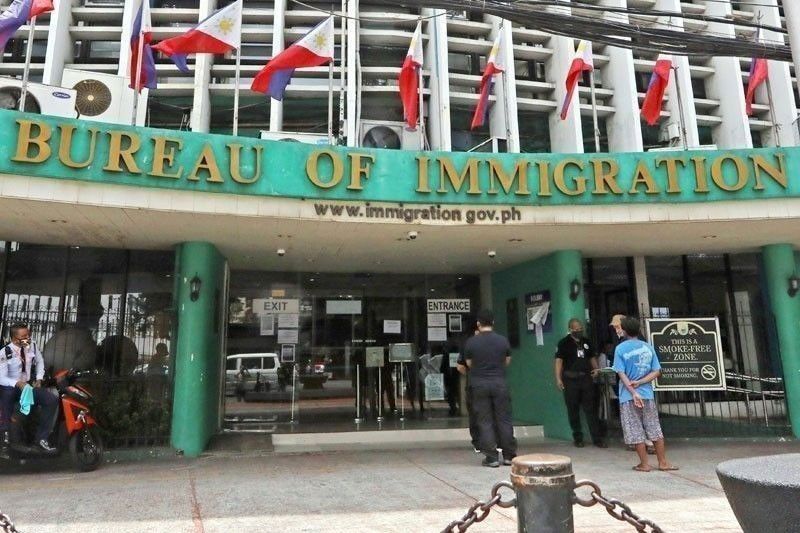
The AEP is a labor authorization issued under DOLE’s foreign employment regulations, while the 9(g) Pre-Arranged Employment Visa is an immigration status administered by the Bureau of Immigration.
For many foreign nationals employed by Philippine companies, both labor and immigration requirements need to be addressed.
An AEP does not replace the 9(g), and a 9(g) does not automatically replace an AEP where the employee is covered by DOLE’s permit requirements.
The Bureau of Immigration also recognizes separate work authorizations and visa categories for certain temporary or specialized activities. Employers should therefore determine the appropriate combination of labor and immigration authorizations for the actual work arrangement.
An ACR I-Card Is Not a Work Permit
Another common misunderstanding concerns the Alien Certificate of Registration or ACR I-Card.
The ACR I-Card is an immigration registration document. It is not, by itself, authorization to work.
DOLE specifically reminded foreign nationals and employers in June 2026 that an ACR permits residency while an AEP permits employment.
This distinction matters because a foreign national may hold a valid immigration document while still needing the appropriate employment authorization.
Employers should therefore check the employee’s actual work authorization rather than relying solely on the presence of an ACR I-Card.
What If the Foreign Worker Is Exempt From an AEP?
AEP exemptions and exclusions should be documented properly.
DOLE’s rules identify categories of foreign nationals who may be excluded from the AEP requirement. The 2025 rules also require qualifying foreign nationals in specified exclusion categories to request a certificate of exclusion and submit supporting documentation.
The same principle applies to AEP exemptions.
An employer should not simply write “AEP exempt” in its internal records without establishing the legal basis for the exemption and obtaining the applicable certification where required.
The foreign national’s position, employer, nationality, corporate role, and circumstances should be reviewed against the current DOLE rules.
What Happens When the Foreign Worker Changes Employers?
A change of employer can affect both labor and immigration compliance.
The AEP is tied to the employment arrangement for which it was issued. A foreign national should therefore not assume that an AEP issued for one Philippine employer automatically authorizes employment with another company.
The new employer should assess the AEP requirements before the employee starts working.
The employee’s immigration status should also be reviewed. If the 9(g) visa is based on employment with the original company, changing employers may require additional Bureau of Immigration procedures.
This is why employers should involve HR, legal, or immigration personnel before finalizing a foreign employee transfer between Philippine companies.
What If the Foreign Employee’s Position Changes?
A significant change in duties or position should also be reviewed.
An AEP is associated with the employment for which it was granted. If the foreign employee moves into a substantially different role, the employer should determine whether the existing labor authorization continues to cover the new arrangement.
This is particularly important when the new position has different qualification requirements or involves regulated professional activities.
Employers should avoid treating every promotion or reassignment as an issue that can be handled solely through an internal HR update.
What Are the Employer’s Continuing Responsibilities?
Foreign worker compliance continues after the AEP is issued.
Employers should maintain accurate records and monitor the foreign employee’s labor and immigration documents throughout the employment relationship.
A practical compliance system should include:
- AEP monitoring – Track expiration dates and renewal requirements.
- Immigration monitoring – Track the 9(g) visa or other applicable immigration status.
- Employment records – Keep contracts, appointment documents, and position descriptions current.
- Qualification records – Maintain copies of relevant educational and professional credentials.
- Change monitoring – Review employer, position, workplace, or duties before implementation.
- End-of-employment procedures – Address applicable labor and immigration requirements when employment ends.
- Government records – Maintain copies of applications, permits, certifications, and official correspondence.
A centralized compliance record can help the employer prepare for renewals and government verification.
Final Perspective
The DOLE requirements for foreign workers are designed to regulate foreign employment while protecting opportunities for qualified Filipino workers and encouraging the transfer of skills to the local workforce.
For employers, the process starts with determining whether the foreign national requires an AEP or qualifies for an exemption or exclusion. If an AEP is required, the company must comply with the applicable labor market requirements and provide accurate information about the position, employer, and foreign worker.
The 2025 rules introduced stronger mechanisms concerning the labor market assessment, Economic Needs Test, and skills transfer. Department Order No. 248-A clarified important requirements, including the newspaper publication rule and additional skills-development requirements for certain establishments.
The process changed again in 2026 when DOLE centralized AEP processing nationwide. New and renewal AEP applications are now handled through the centralized DOLE framework rather than the former regional processing system.
Foreign workers and their employers should also remember that the AEP is only one part of overall compliance. Immigration status, professional licensing, employment documentation, and continuing regulatory obligations may all need to be addressed.
Need Help With DOLE Requirements for Foreign Workers?
Hiring a foreign national in the Philippines requires careful coordination between labor and immigration requirements. Work Visa Philippines can assist employers and foreign professionals in understanding applicable work permits, employment visas, and related compliance requirements.
For assistance with DOLE requirements for foreign workers, AEP applications, 9(g) visas, renewals, or other Philippine work authorization matters, contact us to schedule an initial consultation:
- Contact Us Here
- Fill Out the Form Below
- Call us at +63 (02) 8540-9623