Foreign professionals planning to work in the Philippines should understand the costs of obtaining an employment visa before making relocation arrangements. The 9G visa fees depend on the application, approved visa validity, and other requirements that may apply to the foreign employee and accompanying dependents. Employers should also account for separate work permit expenses and any professional assistance they choose to obtain.
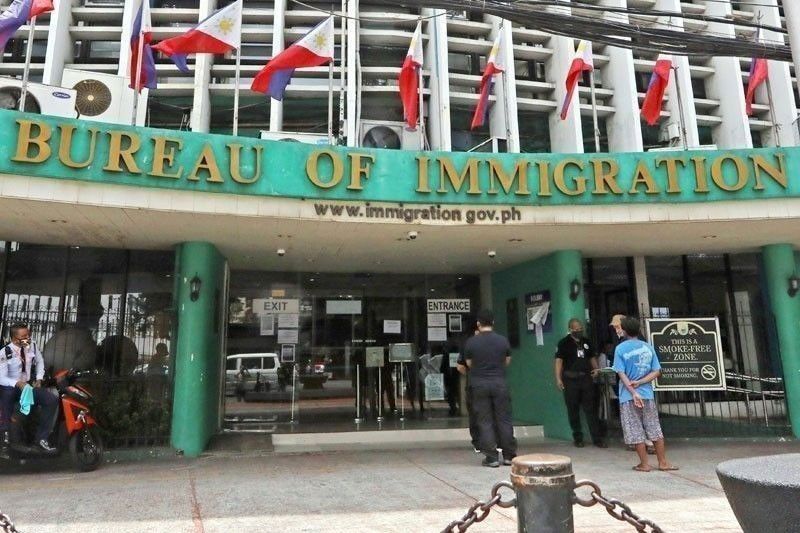
The 9(g) Pre-Arranged Employment Visa is administered by the Bureau of Immigration (BI) for qualifying foreign nationals entering the Philippines for employment. The application involves documentary requirements, government fees, and immigration procedures that must be completed before the visa is implemented.
One important consideration is that the BI’s official 9(g) webpage still displays fee tables marked as updated on March 6, 2014. These figures should not be treated as a reliable statement of current charges. Applicants should confirm the applicable assessment with the BI before budgeting or making any payments.
What Is a 9G Employment Visa?
Understanding the visa helps applicants determine which government charges are relevant to their situation. The 9(g) visa is a non-immigrant visa for qualifying foreign nationals who have arranged employment in the Philippines.
The BI identifies the commercial 9(g) category as an option for foreign nationals who will engage in a lawful occupation for wages, salary, or other compensation. A Philippine-based employer or company petitions for the employee’s visa, subject to the applicable requirements.
A 9(g) visa may be issued for one, two, or three years, depending on the application and the approved employment arrangement. The actual validity is determined by the relevant approval and should not be assumed before the application is assessed.
The visa is separate from the Alien Employment Permit (AEP), which is handled under the Department of Labor and Employment (DOLE) framework. A foreign employee may need both labor authorization and immigration permission, depending on the circumstances.
How Much Are the 9G Visa Fees in the Philippines?
The total cost should be confirmed using the applicable BI assessment rather than an amount copied from an old online article. The BI’s published commercial 9(g) fee tables carry a notice that the figures were updated on March 6, 2014, and may change without prior notice. Applicants should therefore request confirmation of current charges before filing.
The amount payable can depend on several factors, including:
- Whether the application is for a new 9(g) visa or an extension.
- The validity period being requested and approved.
- Whether the applicant is the principal employee or a dependent.
- Applicable Alien Certificate of Registration Identity Card (ACR I-Card) charges.
- Other fees listed in the current assessment for the specific application.
An online fee table may be useful for understanding how the BI has historically categorized charges, but it should not be used as a guaranteed current quotation. The official order of payment and current BI instructions should guide the amount actually paid.
Why published fee estimates may differ
Visa costs discussed online may come from different years, application types, or fee schedules. Some estimates include only selected government charges, while others combine immigration expenses with professional service fees or employer-related costs.
These differences can make two quoted amounts appear inconsistent even when they cover different services. Before comparing estimates, applicants should check the date of the fee schedule, the type of application, the approved visa validity, and whether ACR I-Card or dependent charges are included.
For budgeting purposes, ask for an itemized estimate that distinguishes official government charges from optional professional fees and other expenses.
What Costs Should Applicants Include in Their Budget?
The visa fee is only one part of the possible cost of securing permission to work in the Philippines. Applicants and employers should consider the following categories when preparing a realistic budget.
1. Principal applicant’s visa charges
The principal applicant is the foreign employee whose employment forms the basis of the 9(g) application. The BI’s fee structure distinguishes principal applicants from dependents, and the applicable charges depend on the type of application and other relevant factors.
Before filing, the employer or applicant should confirm the current charges for the principal employee, including any separately assessed items. Do not assume that a published figure for a one-year application will apply to a two- or three-year application.
The approved validity and the applicable fee assessment should be confirmed with the BI.
2. ACR I-Card charges
The ACR I-Card is an immigration registration and identification document for foreign nationals who are required to obtain one. The BI’s 9(g) application process includes a separate step for the ACR I-Card application.
Applicants should check whether the relevant card charge is included in the quoted amount or assessed separately. The BI’s online 9(g) fee page lists additional ACR I-Card charges, but the figures displayed there are dated and should not be assumed to reflect current prices.
An ACR I-Card is not a work permit and does not replace the AEP or the required immigration status.
3. Fees for dependents
Eligible family members may apply to accompany or join a principal 9(g) holder under the applicable rules. The BI’s published procedures identify the spouse and unmarried dependent children under 21 as potential dependents, subject to requirements.
Dependent applications can involve separate charges. The total budget may therefore be higher for a household relocating together than for a single employee.
Employers and families should confirm each dependent’s eligibility, documentary requirements, and applicable fees instead of multiplying the principal applicant’s cost by the number of family members.
4. AEP and other work authorization expenses
The AEP is separate from the 9(g) visa. For foreign nationals covered by the AEP rules, employers must account for the labor authorization process as well as the immigration application.
The applicable AEP requirements and any fees should be checked with DOLE. Not every foreign national necessarily follows the same route, because exclusions and exemptions may apply in specific circumstances.
DOLE also centralized AEP processing at its Central Office effective June 9, 2026, under Department Order No. 248-B, Series of 2026. Employers should follow the current filing instructions and not rely on outdated regional office procedures.
5. Professional assistance and document preparation
Some employers handle applications internally, while others engage an immigration professional or service provider to help prepare and coordinate the paperwork. Professional service charges are separate from government fees and vary by provider and scope of work.
Additional expenses may also arise where documents need translation, notarization, authentication, or other formal preparation. Whether these steps are necessary depends on the specific documents and instructions applicable to the case.
Ask providers for an itemized quotation and clarify which services are included. Do not assume that an advertised package covers every government charge, dependent application, or additional requirement.
Do 9G Visa Fees Differ for New Applications and Extensions?
Applicants should distinguish a first-time conversion to a 9(g) visa from an extension of an existing visa. These are separate BI transactions and may have different fee assessments and documentary requirements.
New 9(g) applications
A new application generally involves the process for conversion to the pre-arranged employment visa category. The BI requires the prescribed application form and supporting documents, including applicable employer documentation.
The process also includes payment of assessed fees, attendance at the required hearing, the relevant ACR I-Card procedure, checking the application status, and visa implementation after approval.
Because the BI’s published fee table is dated, applicants should obtain a current assessment for their particular application instead of relying on the amounts shown in older guides.
9(g) visa extensions
An existing 9(g) holder who intends to continue working for the same employer may need to apply for an extension before the current authorization expires. The BI publishes a separate process and fee table for extensions.
The applicant should check the current extension checklist, the applicable validity, and the assessed charges. The process should not be treated as identical to an initial conversion.
Changes in employer or employment circumstances may affect the appropriate procedure. A foreign employee should seek clarification before assuming that an extension alone will address a change in employment.
How Can You Confirm the Current 9G Visa Fees?
The safest approach is to confirm the charges directly through the BI’s official process before submitting payment. This reduces the risk of relying on an outdated estimate or budgeting for the wrong transaction.
Use the following steps:
- Identify the correct application. Establish whether the case involves a new 9(g) application, an extension, or a dependent application.
- Review the current BI checklist. Confirm the documents and procedural requirements for the transaction.
- Request the applicable fee assessment. Use the BI’s current instructions to establish which charges apply to the specific application.
- Check what is included. Confirm whether the assessment covers the visa and ACR I-Card charges, and identify any separately payable items.
- Pay through the prescribed process. Follow the BI’s payment instructions and retain the official receipt.
- Keep the assessment and receipt. These records help the applicant and employer track the transaction and verify payments.
Applicants should check the latest instructions before visiting an office or filing documents.
How Do Employers and Foreign Employees Prepare for the Application?
Good preparation helps prevent avoidable expenses caused by incomplete paperwork, inconsistent information, or incorrect assumptions about the required authorization.
Prepare the employment documents
The employer should confirm the position, employment terms, and corporate records needed for the application. The BI’s checklist includes a notarized certification of the number of Filipino and foreign employees, alongside other applicable documents.
The job title and duties should be consistent across the employment contract and supporting documents. If the position or employment arrangement changes, the employer should check whether the existing application remains appropriate.
Coordinate labor and immigration requirements
The AEP and 9(g) visa serve different purposes. Employers should determine which labor authorization applies and coordinate it with the BI process.
A visa application should not be treated as proof that the foreign national has satisfied every work authorization requirement. Likewise, an AEP does not replace the immigration visa.
Plan for the start date
Government processing may take time, and incomplete documents can create additional work. Employers should begin preparation early and avoid confirming a start date until they understand the necessary approvals.
A pending application should not automatically be treated as permission to work. If a Provisional Work Permit may be available while an eligible 9(g) application is pending, confirm the requirements through the BI’s separate Provisional Work Permit service.
Key Takeaways
The total 9G visa fees in the Philippines depend on the application type, approved validity, principal or dependent status, and other applicable charges. Although the Bureau of Immigration publishes a fee table on its website, the table is explicitly dated March 6, 2014, so applicants should not rely on it as a current quotation.
A reliable budget should distinguish government immigration charges, ACR I-Card expenses, any applicable AEP costs, dependent applications, and optional professional services. Employers should also confirm the current filing procedures and ensure that the foreign employee obtains the required labor and immigration authorizations.
Checking the latest official instructions before paying is the best way to avoid preventable budgeting errors.
Is Assistance Available?
Preparing a 9(g) visa application can involve coordination between the employer, foreign employee, DOLE, and the Bureau of Immigration. Work Visa Philippines can help employers and foreign professionals understand the applicable process, organize the requirements, and identify the questions that should be clarified before filing.
For assistance with Philippine employment visa and work permit matters, contact our team of experts:
- Contact Us Here
- Fill Out the Form Below
- Call us at +63 (02) 8540-9623