Hiring a foreign professional in the Philippines involves more than signing an employment contract. In most cases, the employer and foreign employee must complete separate labor and immigration requirements before the employee can legally perform work in the country.
The term employer-sponsored visa is commonly used to describe a work visa arrangement in which a Philippine employer supports a foreign national’s application to work and reside in the Philippines. For many employees, the relevant immigration route is the 9(g) Pre-Arranged Employment Visa, while the employer must also address the foreign worker’s Alien Employment Permit (AEP) requirements with the Department of Labor and Employment (DOLE).
The process has also changed in recent years. DOLE introduced new rules for employing foreign nationals in 2025, followed by the nationwide centralization of AEP processing in 2026. Employers, therefore, need to understand both the labor authorization and immigration sides of the process before setting a foreign employee’s start date.
What Is an Employer-Sponsored Visa in the Philippines?
An employer-sponsored visa generally refers to an immigration arrangement in which a Philippine employer supports a foreign national who has been hired to work in the country.
The Philippines does not have a visa category officially named the “employer-sponsored visa.” Instead, this phrase is commonly used to describe employment-based immigration, where the Philippine employer and the foreign employee have to satisfy the applicable labor and immigration requirements.
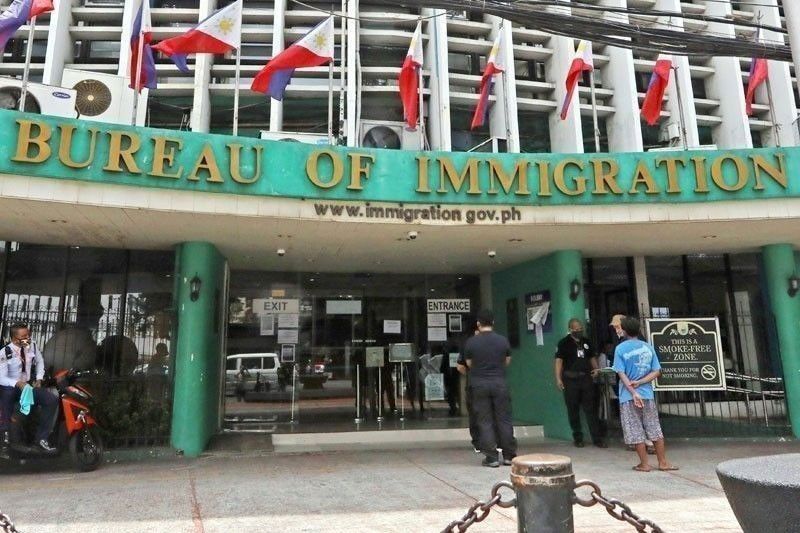
For ordinary commercial employment, the 9(g) Pre-Arranged Employment Visa is an important route. The Bureau of Immigration (BI) describes the commercial 9(g) as available to foreign nationals proceeding to the Philippines to engage in a lawful occupation for wages, salary, or other compensation.
However, a 9(g) visa should not be confused with an AEP.
The two serve different purposes:
- AEP: Labor authorization administered by DOLE for covered foreign nationals.
- 9(g) visa: Immigration status administered by the Bureau of Immigration for qualifying foreign employees.
- ACR I-Card: An immigration identification document for foreign nationals; it is not, by itself, permission to work.
This distinction is important because obtaining one document does not automatically satisfy every requirement for lawful employment.
Does a Foreign Employee Need Employer Sponsorship?
For a foreign national being hired by a Philippine company, the employer generally has an important role in the work authorization process.
The foreign worker cannot simply enter the Philippines as a tourist and begin working for a local company. Visa-free entry or a temporary visitor status does not by itself create authorization for employment.
The employer normally has to provide information about the position, employment relationship, company, and the need for the foreign worker. The employee, meanwhile, must provide documents demonstrating identity, qualifications, and other information required for the applicable applications.
The Bureau of Immigration specifically recognizes the 9(g) commercial visa as a working visa for foreign nationals whose skills, qualifications, and experience may be needed by Philippine employers.
This means that an employer-sponsored visa is not simply an employee’s personal immigration application. The employment relationship is an important part of establishing the basis for the foreign national’s stay and work in the Philippines.
The Alien Employment Permit Is a Separate Requirement
The AEP is one of the most important parts of the employer-sponsored employment process.
DOLE’s Department Order No. 248, Series of 2025, introduced updated rules and regulations governing the employment of foreign nationals in the Philippines. The rules are designed to balance the hiring of foreign talent with the protection of opportunities for Filipino workers and the transfer of skills to Filipino employees.
An employer should therefore determine whether the proposed foreign employee needs an AEP before making arrangements for employment.
The AEP process considers the position, employer, foreign national, qualifications, and the Philippine labor market. The authorization is not a general permission for the individual to take any job in the country.
This is particularly important when an employee later changes employers or moves into a materially different position. Employers should review the authorization requirements before implementing significant changes to a foreign employee’s employment.
What Changed Under the 2025 AEP Rules?
The rules for foreign employment were strengthened in 2025, making the employer’s preparation more important.
DOLE Department Order No. 248, which took effect on February 10, 2025, emphasizes preference for Filipino workers, labor market considerations, qualifications, and skills transfer. It also introduced an Economic Needs Test as part of the framework for assessing foreign employment.
For employers, this means a foreign hire should not be treated as a routine recruitment decision followed by a visa application.
The company should be able to explain why the foreign professional is being hired and how the position fits the business.
Depending on the employer and circumstances, DOLE rules may also require an Understudy Training Program or Skills Development Program. Department Order No. 248-A identifies certain establishments, including specified enterprises registered under the Foreign Investments Act and establishments in certain strategic or regulated areas, for additional requirements involving skills development or training of Filipino counterparts.
Employers should therefore review the current AEP rules rather than rely on an older checklist.
The Labor Market Test Is an Important Part of the Process
Before hiring a foreign employee, the employer should understand the labor market component of the AEP application.
The purpose is not simply to establish that the company has selected a foreign candidate. DOLE’s rules require consideration of whether qualified Filipino workers are available and whether the foreign national’s employment is justified under the applicable requirements.
Department Order No. 248 introduced the Economic Needs Test as part of this assessment. DOLE has explained that the framework considers factors such as the availability of qualified Filipino workers and the need for specialized foreign skills.
The employer should therefore ensure that the job description is specific and that the foreign candidate’s qualifications are clearly documented.
For example, a company hiring a foreign professional for a highly specialized technical position should be prepared to demonstrate the actual requirements of the position and how the candidate’s education, experience, or specialized expertise corresponds to those requirements.
Job Vacancy Publication Requirements Also Matter
Employers should pay attention to the publication requirements associated with an AEP application.
DOLE Department Order No. 248-A amended the earlier publication rules. Under the amended provision, publication is made in a newspaper of general circulation. Employers are also encouraged to post vacancies through PhilJobNet and with the Public Employment Service Office or Job Placement Office, but those additional postings are not a precondition for filing the AEP application.
This is an important area where employers should use current requirements rather than older online guides.
The publication and labor market requirements are intended to give qualified Filipino workers an opportunity to be considered for employment while allowing employers to justify the recruitment of foreign professionals where the applicable conditions are met.
AEP Processing Is Now Centralized
Employers applying for an employer-sponsored visa should also account for the major procedural change introduced in 2026.
Effective June 9, 2026, DOLE centralized the filing, processing, evaluation, approval, issuance, release, adjudication, and enforcement functions relating to AEPs. Regional offices stopped accepting and processing new and renewal AEP applications.
DOLE’s Department Order No. 248-B, Series of 2026, formalized the centralized framework and amended relevant provisions of the earlier 2025 orders.
This means employers should not automatically follow older instructions telling them to file an AEP with their local DOLE regional office.
The centralized system is administered through DOLE’s Bureau of Local Employment. Current DOLE information also indicates that employers, authorized representatives, and accredited agents may use the centralized procedures without requiring every applicant to personally travel to Manila.
For employers planning an international hire, this change should be incorporated into the recruitment timeline from the beginning.
What Is the 9(g) Pre-Arranged Employment Visa?
Once the labor authorization requirements are addressed, the foreign worker may proceed with the appropriate immigration process.
The 9(g) Pre-Arranged Employment Visa is the principal commercial employment visa for many foreign nationals hired to work for Philippine employers.
The Bureau of Immigration states that foreign nationals proceeding to the Philippines to engage in a lawful occupation for wages, salary, or other compensation may apply for the commercial pre-arranged employment visa.
The BI process includes submission of the required application documents, payment of applicable fees, a hearing, and biometric procedures associated with the ACR I-Card. Once approved, the passport is submitted for visa implementation.
The exact documentary requirements can depend on the applicant and circumstances. Employers should therefore use the current BI checklist rather than assume that a document list from an older article remains complete.
What Documents Are Typically Involved?
The employer and foreign employee should expect to provide documentation relating to both the employment relationship and the parties involved.
The exact requirements depend on the application, but the preparation commonly involves documents such as:
- Valid passport and immigration records of the foreign employee
- Employment contract or appointment documentation
- Company registration and corporate documents
- Information about the employer and its workforce
- Documents demonstrating the employee’s qualifications
- AEP application documents, where an AEP is required
- BI application forms and supporting documents for the 9(g) application
- Documents relating to dependents, when applicable
The Bureau of Immigration’s current 9(g) procedure specifically identifies a complete checklist, application form, and a notarized certification of the number of foreign and Filipino employees among the documents for the commercial visa application.
The safest approach is to check the current requirements before filing because government forms and documentary requirements can be amended.
Can a Foreign Employee Start Working Before the 9(g) Is Approved?
Employers should not assume that a pending visa application gives a foreign national unrestricted permission to work.
The normal employer-sponsored employment process should be completed before the employee begins performing the authorized work unless the employee has another valid form of work authorization that specifically permits the activity.
The Bureau of Immigration provides a Provisional Work Permit (PWP) for a foreign national while an application for a pre-arranged employment visa is pending.
A PWP should not be treated as a universal substitute for the AEP or the final 9(g) visa. Employers should determine whether the employee qualifies for a PWP and whether the required labor authorization has also been secured.
The key point is that an employer should establish the foreign worker’s actual work authorization before setting a work commencement date.
What If the Employee Only Needs to Work Temporarily?
Not every foreign assignment requires the same immigration route.
A foreign national coming to the Philippines for certain temporary activities may fall under a Special Work Permit or another specialized authorization instead of the ordinary long-term employment route.
The appropriate option depends on the actual activity, duration, employer relationship, and applicable immigration rules.
Employers should avoid choosing a visa based solely on how long the employee expects to remain in the Philippines. The nature of the work and the legal basis for the activity also matter.
For long-term employment with a Philippine company, the 9(g) route is generally the key employment-based immigration category to examine. For temporary or specialized activities, a different permit may apply.
Professional Licensing May Be Required
An employer-sponsored visa does not automatically authorize a foreign national to practice every profession.
Some occupations are regulated in the Philippines and require authorization from the relevant professional regulatory authority.
This can affect positions involving regulated professions such as certain engineering, architecture, accounting, medical, legal, or other licensed activities.
Before making an offer, the employer should determine whether the position requires a Philippine professional license, registration, special permit, or other authorization.
This is separate from the immigration process. A foreign employee may satisfy immigration and labor requirements but still need professional authorization before performing regulated professional functions.
What Happens When the Employee Changes Jobs?
An employer-sponsored visa should not be treated as a freely transferable document.
The employment relationship is an important part of the underlying work authorization. Consequently, an employee who leaves one Philippine employer and joins another should not assume that the existing AEP and 9(g) can simply be transferred to the new company.
The new employer should assess the applicable AEP and immigration requirements before the employee starts the new position.
The same principle applies to significant changes in the employee’s role. A promotion, transfer, or change in duties can affect the information on which the original authorization was based.
For this reason, HR departments should involve immigration or compliance personnel before implementing significant changes to a foreign employee’s position.
Employer Responsibilities Continue After Approval
Obtaining an employer-sponsored visa is not the end of the compliance process.
The employer should maintain accurate records and monitor the validity and conditions of the employee’s labor and immigration authorization.
Important areas to monitor include:
- AEP validity and renewal
- 9(g) visa status and extensions
- ACR I-Card requirements
- Changes in employer or position
- Termination or expiration of employment
- Required government reporting
- Payroll and tax compliance
- Professional licensing, where applicable
Employers should also make sure that the employee’s actual work remains consistent with the approved employment arrangement.
What Happens When Employment Ends?
The end of employment requires attention to both labor and immigration obligations.
An employer should not simply terminate the employment relationship and leave the foreign worker’s immigration status unresolved.
The applicable DOLE and BI procedures should be reviewed when employment ends, particularly where the foreign employee’s work authorization was based on that employer.
The employer should also maintain documentation showing when the employment ended and ensure that any required notifications, cancellations, or surrender of permits are completed.
This is especially important because an expired employment relationship can affect the legal basis for the foreign national’s continued stay or employment in the Philippines.
A Practical Employer-Sponsored Visa Checklist
Before hiring a foreign employee, an employer can use the following checklist as a starting point:
- Confirm that the foreign national is legally eligible for the proposed employment.
- Determine whether an AEP or an exemption/exclusion applies.
- Define the position, duties, qualifications, compensation, and work location clearly.
- Prepare the employment contract and corporate documents.
- Complete the applicable labor market and publication requirements.
- File the AEP through the current centralized DOLE process where required.
- Review whether an Economic Needs Test or skills-development requirement applies.
- Determine whether the employee needs professional licensing or other sector-specific authorization.
- Prepare the 9(g) application and current BI documentary requirements.
- Confirm the employee’s work authorization before allowing work to begin.
- Monitor AEP, visa, and immigration-document validity.
- Review compliance before changing the employee’s role or employer.
- Complete applicable procedures when employment ends.
This checklist does not replace the current government requirements, but it can help an employer organize the process before a foreign employee arrives.
Employer-Sponsored Visa vs. Other Philippine Work Arrangements
Not every foreign national working in or from the Philippines follows the same immigration route.
A foreign professional employed by a Philippine company for ongoing commercial work may need an AEP and 9(g) visa. A person undertaking certain temporary activities may instead require a Special Work Permit or another applicable authorization.
A foreign remote worker whose employer or clients are outside the Philippines may also fall under a different immigration framework, depending on the facts and applicable rules.
The important distinction is that the correct immigration route depends on what the foreign national is doing, who they work for, where the employer is based, and how the activity is structured.
Employers should therefore avoid using “work visa” as a catch-all term for every foreign national entering the Philippines.
How Employers Can Prepare Before Making an Offer
The most efficient way to approach an employer-sponsored visa is to consider immigration requirements before the employee’s start date is promised.
The employer should first define the position and determine whether the foreign candidate’s qualifications match the role. It should then review the AEP requirements, including the labor market requirements and any applicable skills-transfer obligations.
After that, the employer can coordinate the AEP and immigration process while ensuring that the employee does not begin unauthorized work.
This approach is particularly useful for companies hiring foreign professionals for technical, managerial, specialized, or hard-to-fill positions because the labor authorization process may require more documentation than an ordinary local hire.
Key Takeaways
An employer-sponsored visa in the Philippines is not a single document. It is better understood as an employment-based immigration arrangement involving the Philippine employer, the foreign employee, DOLE, and the Bureau of Immigration.
For many foreign employees hired by Philippine companies, the process involves an AEP together with the appropriate immigration status, often the 9(g) Pre-Arranged Employment Visa. The AEP addresses labor authorization, while the 9(g) addresses immigration status for qualifying employment.
The process has become more structured following the 2025 AEP reforms and the 2026 centralization of AEP processing. Employers should therefore use current government requirements and avoid relying on older regional filing procedures, outdated fee schedules, or generic online visa guides.
Proper planning also extends beyond initial approval. Employers must monitor renewals, changes in employment, professional licensing, immigration documentation, and the end of the employment relationship.
For companies hiring foreign professionals, treating immigration compliance as part of the recruitment process can help prevent unauthorized work and avoid problems after the employee has already started working.
Need Help With an Employer-Sponsored Visa in the Philippines?
Employers hiring foreign professionals must coordinate labor and immigration requirements carefully. Work Visa Philippines can assist foreign nationals and Philippine employers in understanding the applicable work visa and permit process, preparing requirements, and navigating the relevant government procedures.
For assistance with an employer-sponsored visa, work permits, 9(g) visa applications, or other Philippine employment immigration matters, contact us to discuss the requirements applicable to your foreign employee and employment arrangement:
- Contact Us Here
- Fill Out the Form Below
- Call us at +63 (02) 8540-9623