Establishing a business presence in the Philippines requires more than registering a company with the Securities and Exchange Commission (SEC). For foreign investors who intend to operate locally and employ foreign nationals, foreign company registration is also connected to tax, labor, immigration, and local business requirements.
The appropriate structure depends on the company’s planned activities. A foreign investor may establish a Philippine domestic corporation with foreign ownership, a branch office, or a representative office, subject to applicable laws and restrictions. The chosen structure can affect the company’s permitted activities, capitalization, tax obligations, and ability to employ personnel.
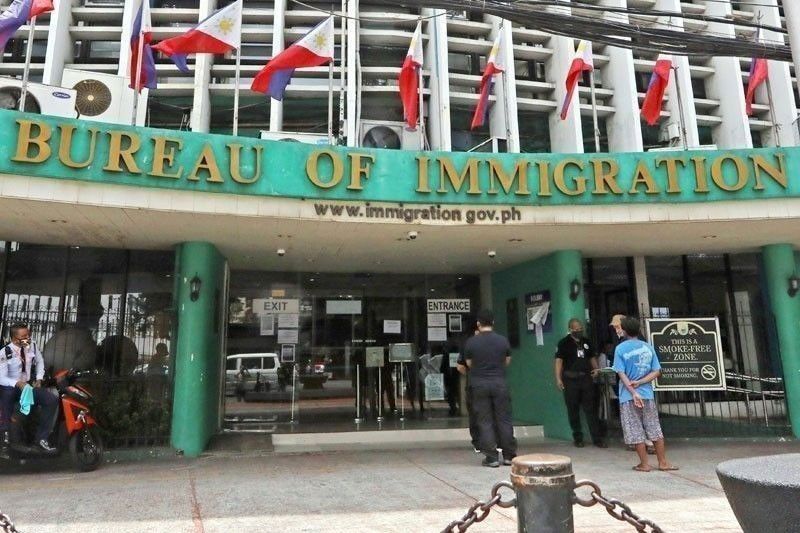
For foreign employers, these decisions should be addressed before applying for a Philippine work visa. A foreign national generally needs a legitimate Philippine employment arrangement and the appropriate labor and immigration authorization before beginning work in the country. The Bureau of Immigration identifies the 9(g) Pre-arranged Employment Visa as an immigration route for foreign nationals entering the Philippines to engage in lawful employment or another compensated occupation.
Why Foreign Company Registration Matters for Employers
A foreign company planning to establish operations in the Philippines needs a legal basis for conducting business locally. Registration creates the Philippine entity or licensed foreign corporation through which the business can carry out its authorized activities.
SEC registration, however, is only one stage of the setup. Depending on the business, the company may also need BIR registration, local permits, labor compliance, and industry-specific licenses.
Foreign company registration is particularly relevant when a business intends to:
- Establish a permanent Philippine presence;
- Hire Filipino employees;
- Employ foreign managers or specialists;
- Maintain a Philippine office;
- Enter into local business contracts;
- Generate revenue from Philippine operations; or
- Apply for industry-specific licenses or incentives.
For a foreign employer, completing the business setup correctly is important because immigration applications for foreign employees depend on the underlying employment relationship and the Philippine employer’s legal operations.
Choosing the Appropriate Business Structure
The first major decision is determining what type of Philippine business presence the foreign investor requires. The SEC provides registration pathways for foreign corporations establishing branch offices, representative offices, and regional headquarters. Foreign investors can also establish domestic corporations with foreign equity, subject to applicable ownership restrictions.
Domestic Corporation
A domestic corporation is incorporated in the Philippines and may have foreign shareholders.
This structure can be appropriate when the investor wants a Philippine company capable of conducting commercial activities locally. The amount of foreign ownership permitted depends on the proposed activity and applicable restrictions.
The Foreign Investments Act generally permits foreign participation in activities that are not reserved or restricted under Philippine law. However, the Foreign Investment Negative List and other laws must be considered before determining whether a business can be fully foreign-owned.
Branch Office
A branch office is an extension of a foreign corporation rather than a separate Philippine subsidiary.
It allows the foreign parent company to establish a registered business presence in the Philippines and conduct activities within the scope permitted by its Philippine license.
The SEC provides a registration process specifically for foreign corporations establishing branch offices.
Representative Office
A representative office is designed for activities that do not involve income-generating commercial operations.
It may be suitable for functions such as market research, information dissemination, promotion, or liaison activities carried out on behalf of the foreign parent company.
Because its permitted activities are limited, a representative office should not be used as a substitute for a Philippine operating entity when the business intends to conduct commercial activities that generate local income.
Foreign Ownership Must Be Reviewed First
Foreign investors should determine whether their proposed business activity is subject to nationality or ownership restrictions before preparing registration documents.
Philippine law generally permits foreign investment, but certain activities remain subject to restrictions. The Board of Investments explains that full foreign participation may be possible when the proposed activity is not included in the applicable Foreign Investment Negative List, subject to other laws that may apply.
This means foreign investors should identify the actual business activity before assuming that a company can be 100% foreign-owned.
Restrictions can apply in areas such as certain public utilities, mass media activities, professions, education, land ownership, and other activities regulated by the Constitution or specific legislation.
The ownership structure should therefore be established after reviewing the rules applicable to the particular business.
Understanding Capital Requirements
Capitalization is another issue that should be reviewed based on the company’s structure and activities.
The Foreign Investments Act provides a general US$200,000 paid-in equity capital threshold for certain small and medium-sized domestic market enterprises with foreign participation. Under specified conditions, the threshold may be reduced to US$100,000, including circumstances involving advanced technology or the employment of at least 50 direct employees under the statutory framework.
The applicable requirement can differ depending on the type of business, ownership arrangement, and circumstances of the investment.
Foreign investors should therefore avoid assuming that US$200,000 is a universal capitalization requirement for every foreign-owned business in the Philippines. Branch offices and representative offices also have their own applicable capitalization or inward-remittance rules.
Preparing the Foreign Parent Company’s Documents
Foreign company registration often requires corporate documents from the foreign parent company.
Depending on the structure, the documents may establish the foreign company’s legal existence, authorize the Philippine operation, and identify the person authorized to act for the company in the Philippines.
Documents executed abroad must comply with Philippine authentication requirements. The SEC states that documents signed abroad must be authenticated by the Philippine Embassy or Consulate in the country where they were signed.
Applicable apostille procedures may also be relevant depending on the country where the documents were executed.
Foreign investors should prepare these documents before filing because improperly authenticated or incomplete corporate records can delay the registration process.
The SEC Registration Process
Once the business structure, ownership, and capitalization have been reviewed, the company can proceed with the applicable SEC registration.
The process generally involves several stages.
1. Determine the Business Structure
The investor first determines whether a domestic corporation, branch office, or representative office is appropriate.
The choice should be based on the activities the business intends to conduct, not simply on which structure appears easier to register.
2. Verify the Company Name
The proposed name must comply with SEC requirements and be available for registration.
The SEC’s foreign corporation registration process includes name verification and reservation.
3. Prepare the Required Documents
The documents vary depending on the chosen structure.
For branches and representative offices, the foreign parent company’s corporate records and authorization to establish the Philippine operation are particularly important.
For domestic corporations, incorporation documents must establish the company’s ownership, capital structure, purpose, and governance arrangements.
4. Submit the Application
The SEC provides electronic registration channels for applicable corporations and foreign corporations. Its registration system identifies branch offices, representative offices, and regional headquarters among the foreign corporation categories.
5. Complete the Registration
After the SEC approves the application and the required fees and documents have been completed, the company receives the applicable registration certificate or license.
This establishes the company’s legal registration but does not automatically complete its tax, local, labor, or immigration obligations.
BIR Registration and Tax Compliance
After SEC registration, the business must address its tax registration requirements with the Bureau of Internal Revenue (BIR).
The BIR specifically includes a License to Do Business in the Philippines among the documents required when a foreign corporation registers for tax purposes.
Depending on the business, BIR registration may involve obligations concerning income tax, withholding tax, VAT, or other applicable taxes, invoices, books of accounts, and tax reporting.
The BIR provides electronic registration and other registration channels, including its Online Registration and Update System (ORUS) and applicable business registration processes.
Tax registration should therefore be treated as an essential part of establishing the Philippine operation.
Local Permits and Industry Licenses
SEC registration does not automatically authorize a company to conduct every type of business activity at its chosen location.
Depending on the business, the company may need permits from the relevant city or municipality and licenses from national government agencies.
Requirements can depend on:
- The company’s business activity;
- Location;
- Physical facilities;
- Number and type of employees;
- Industry;
- Importation or exportation activities; and
- Regulated products or services.
Foreign investors should identify these requirements before commencing operations.
Foreign Company Registration and Philippine Work Visas
For foreign employers, one of the most important distinctions is that company registration does not automatically give a foreign national the right to work in the Philippines.
A foreign company may be properly registered, while its foreign executives, managers, or specialists still need separate labor and immigration authorization.
The 9(g) Pre-arranged Employment Visa is one of the principal employment-based immigration categories. The Bureau of Immigration states that the visa applies to foreign nationals entering the Philippines to engage in lawful employment or another compensated occupation, subject to the applicable requirements.
The employer and foreign employee must also determine whether an Alien Employment Permit (AEP) or another DOLE authorization is required.
The AEP and immigration visa serve different purposes. The AEP concerns the foreign national’s authority to work under Philippine labor regulations, while the visa concerns immigration status.
As a result, foreign employers should plan the corporate registration, employment authorization, and visa process together.
What Employers Should Prepare Before Hiring Foreign Workers
Foreign businesses planning to bring personnel to the Philippines should review immigration requirements before the employee arrives to begin work.
A practical process includes:
- Determine the appropriate Philippine business structure.
- Check foreign ownership restrictions.
- Determine the applicable capitalization requirements.
- Complete SEC registration or obtain the applicable foreign corporation license.
- Complete BIR registration.
- Obtain applicable local and industry permits.
- Establish the foreign national’s Philippine employment arrangement.
- Determine whether an AEP is required.
- Identify the appropriate immigration category.
- Prepare and file the relevant work visa application.
This approach helps prevent a situation in which a company has completed its corporate registration but has not yet established the necessary basis for its foreign employee to lawfully work in the Philippines.
Why Business and Immigration Planning Should Be Connected
Foreign investors who intend to personally manage their Philippine operations should consider immigration requirements before completing their business setup.
For example, a foreign company may establish a Philippine branch and appoint a foreign executive to manage its local operations. The branch registration establishes the company’s business presence, but the executive’s authority to work in the Philippines must still be addressed separately.
Likewise, a foreign-owned Philippine corporation may hire foreign technical specialists. The corporation’s registration does not itself provide those employees with immigration status or labor authorization.
Planning both processes together helps the company establish its operations while addressing the foreign personnel requirements before work begins.
Key Takeaways
Foreign company registration in the Philippines involves several stages, beginning with the selection of the appropriate business structure and review of foreign ownership restrictions.
The investor may establish a domestic corporation with foreign equity, a branch office, or a representative office, depending on the intended activities and applicable laws. The company must then address SEC, BIR, local, and industry-specific requirements.
For foreign employers, immigration planning should form part of the process from the beginning. Registering a Philippine business does not automatically authorize a foreign national to work in the country. The employer must separately determine the appropriate labor authorization and immigration category, such as the 9(g) visa, where applicable.
Taking these requirements into account before the business begins operations can help foreign investors avoid unnecessary delays and compliance issues.
Is Assistance Available?
Foreign investors and employers may benefit from professional assistance when establishing a Philippine business presence and determining the appropriate immigration route for foreign personnel.
Work Visa Philippines can assist companies with foreign employee requirements, including 9(g) work visas, Alien Employment Permits, and other applicable Philippine immigration matters.
For foreign companies preparing to establish operations and bring foreign personnel to the Philippines, addressing corporate registration and immigration requirements together can make the overall setup more organized and compliant.
Contact our team today to discuss your foreign employee’s situation and determine the appropriate work visa and employment authorization process:
- Contact Us Here
- Fill Out the Form Below
- Call us at +63 (02) 8540-9623