Foreign nationals can work as foreigners in the Philippines, but having a job offer is only one part of the process. Depending on the employment arrangement, the foreign national may need an Alien Employment Permit (AEP), an appropriate immigration visa or work permit, and other government authorizations before legally starting work.
The rules have also changed in recent years. The Department of Labor and Employment (DOLE) issued new rules on the employment of foreign nationals in 2025, and in June 2026, it centralized AEP processing at the DOLE Central Office.
For foreign professionals, executives, specialists, and other workers planning to take employment in the country, understanding the difference between a work permit and a work visa is essential. The appropriate immigration route depends on the nature and duration of the work, the employer, the position, and whether the foreign national qualifies for an exemption or exclusion from the AEP requirement.
Can You Work as a Foreigner in the Philippines?
Foreign nationals may work in the Philippines when they satisfy the applicable labor and immigration requirements. The key issue is not nationality alone but whether the person has the legal authorization required for the specific employment.
DOLE’s current rules cover foreign nationals who intend to engage in gainful employment in the Philippines and employers that intend to hire them. Except where an exemption or exclusion applies, an employer intending to employ a foreign national must secure an AEP before the employee actually begins employment.
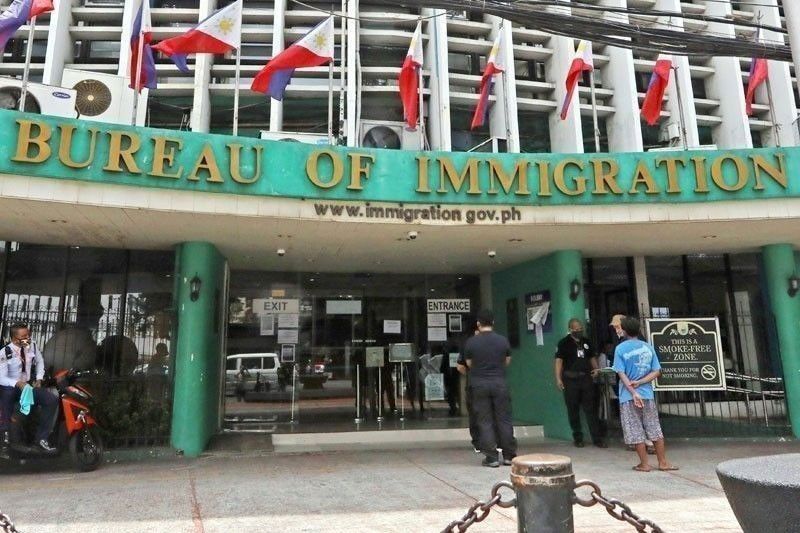
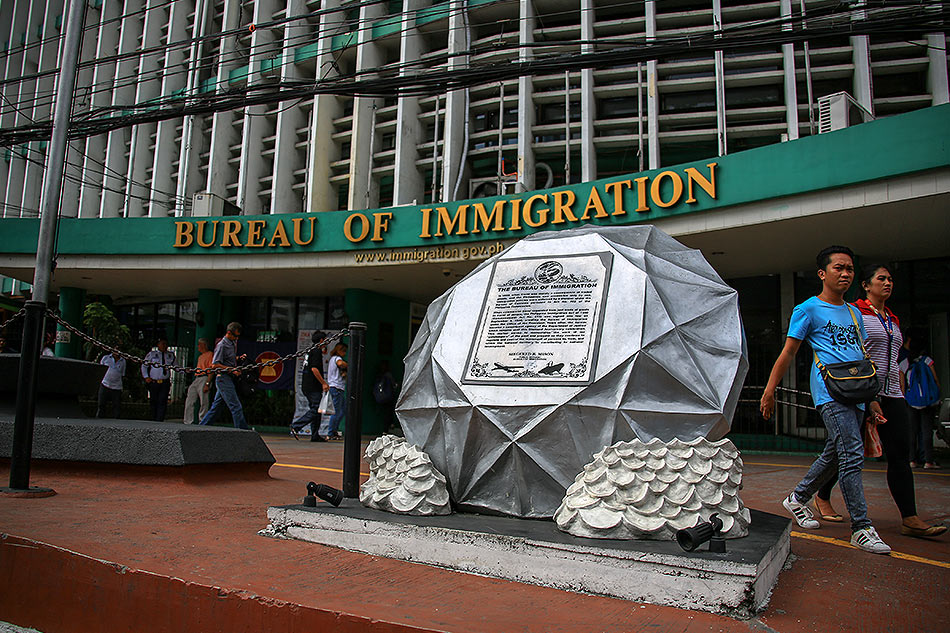
The Bureau of Immigration separately regulates the foreign national’s immigration status. For long-term employment, the 9(g) Pre-Arranged Employment Visa is one of the principal immigration categories. The Bureau of Immigration describes the 9(g) as a working visa for foreign nationals who will engage in lawful employment or another compensated occupation in the Philippines.
This creates an important distinction:
- DOLE deals with the foreign national’s employment authorization.
- The Bureau of Immigration (BI) deals with the foreign national’s immigration status.
- The employer generally plays an important role in sponsoring or supporting the employment and visa applications.
A foreign national should therefore not begin working simply because they have entered the Philippines legally as a tourist or visitor.
Why a Work Visa and Work Permit Are Different
One of the most common misunderstandings is treating a work permit and a work visa as the same document. They address different parts of the legal process.
The AEP is issued under the labor regulatory framework administered by DOLE. The 9(g), meanwhile, is an immigration status administered by the Bureau of Immigration.
For a typical long-term foreign employee, the process may therefore involve both agencies.
DOLE’s 2025 rules state that an employer must secure an AEP before the actual start of employment unless the foreign national falls under an applicable exemption or exclusion.
The Bureau of Immigration then handles the applicable immigration process, including the 9(g) Pre-Arranged Employment Visa. Its current 9(g) service page identifies foreign nationals proceeding to the Philippines to engage in lawful occupations for wages, salary, or other compensation as potential applicants, subject to the required documents and procedures.
In practical terms, having one document does not automatically eliminate the need to consider the other.
The Alien Employment Permit Has Changed
Foreign employers should use the current AEP rules rather than older online guides because DOLE substantially revised its framework in 2025.
DOLE Department Order No. 248, Series of 2025, introduced new rules and regulations governing the employment of foreign nationals. Among other changes, the rules introduced an economic needs test and strengthened the labor market assessment associated with foreign hiring.
The rules require employers, before filing an AEP application, to publish the vacant position and the name of the foreign national they intend to hire. The 2025 rules specify publication through a newspaper of general circulation, PhilJobNet, and the relevant Public Employment Service Office (PESO) or Job Placement Office (JPO).
DOLE subsequently issued Department Order No. 248-A, Series of 2025, clarifying aspects of the publication requirements. It states that publication in a newspaper of general circulation remains required, while posting through PhilJobNet and PESO/JPO is encouraged and is not a precondition to filing the AEP application.
Employers should therefore check the latest DOLE instructions before starting the AEP process.
AEP Processing Is Now Centralized
Another major development for anyone planning to work as a foreigner in the Philippines is the centralization of AEP processing.
Effective June 9, 2026, DOLE centralized the processing, evaluation, and issuance of AEPs at the DOLE Central Office. DOLE Regional Offices stopped accepting, processing, evaluating, and issuing new and renewal AEP applications under Administrative Order No. 199, Series of 2026.
DOLE has also described the Bureau of Local Employment’s role in administering the labor market test and related publication procedures through a centralized system.
This is important because older articles may still instruct employers to submit new AEP applications directly to the DOLE Regional Office where the foreign employee will work.
Those instructions may no longer reflect the current process.
Employers should use the current centralized procedures when preparing an AEP application.
What Is the 9(g) Pre-Arranged Employment Visa?
The 9(g) Pre-Arranged Employment Visa is the primary employment-related immigration category for many foreign nationals hired by Philippine employers.
The Bureau of Immigration states that foreign nationals proceeding to the Philippines to engage in lawful employment for wages, salary, or other compensation may apply for the commercial 9(g), subject to the applicable requirements.
The 9(g) visa is particularly relevant when a foreign national has a pre-arranged employment relationship with a Philippine-based employer.
The employer’s role is therefore important. This is not generally a visa that a foreign national obtains independently without an underlying Philippine employment arrangement.
The BI’s current application process includes submission of the required application and supporting documents, pre-screening, payment of applicable fees, and other immigration procedures depending on the application.
When a Special Work Permit May Apply
Not every foreign national who performs work-related activities in the Philippines follows the same route.
The Bureau of Immigration also provides a Special Work Permit (SWP) for certain temporary activities. Its current commercial SWP service is for a foreign national who will engage in gainful employment for three to six months.
The SWP framework also covers certain activities that are outside a conventional employment arrangement. The Bureau’s Citizens’ Charter identifies examples, including certain professional athletes, performers, service suppliers, film and television crews, foreign journalists, trainees, lecturers, researchers, trainers, and religious missionaries, subject to the applicable requirements.
This means a foreign national coming to the Philippines for a short assignment should not automatically assume that a 9(g) is required or that a tourist status is sufficient.
The actual activity and duration should be reviewed before the person begins performing services.
What Is a Provisional Work Permit?
A Provisional Work Permit (PWP) is another immigration mechanism that may become relevant while a foreign national’s long-term employment visa application is pending.
The Bureau of Immigration states that a PWP is issued to a foreign national during the pendency of an application for a pre-arranged employment visa.
The BI’s published requirements include documents from the petitioning company, the applicant’s passport and immigration records, an employment or equivalent agreement, and proof relating to the AEP or 9(g) application, depending on the circumstances.
A PWP should not be confused with a 9(g) visa. It is a separate permit connected to the pending employment visa process.
Whether it is appropriate in a particular case depends on the applicant’s circumstances and the current BI requirements.
What Employers Need Before Hiring a Foreigner
The employer has significant responsibilities in the foreign worker process. A foreign company or Philippine business should not wait until the foreign employee arrives before examining employment authorization.
The employer should first establish that it is legally operating in the Philippines and that the proposed position can lawfully be filled by a foreign national.
The basic preparation should include:
- Confirm the employer’s Philippine registration.
The business should have the appropriate legal structure and registrations for its activities. - Review the position.
The employer should identify the actual duties, qualifications, workplace, and reason for hiring the foreign national. - Check the AEP requirement.
Determine whether the foreign national requires an AEP or falls under an applicable exemption or exclusion. - Complete the labor market requirements.
Where an AEP is required, the employer must comply with the applicable publication and labor market test requirements. - Prepare the employment documentation.
The employment contract and supporting corporate documents should accurately reflect the position and employment arrangement. - Determine the immigration category.
A 9(g), SWP, PWP, or another immigration route may apply depending on the circumstances. - Coordinate the filings.
Labor and immigration applications should be handled consistently so that the information submitted to different government agencies does not conflict.
What Documents May Be Needed?
The exact requirements vary according to the permit and visa category, but foreign employment applications generally require documentation concerning the employee, employer, and employment relationship.
For an AEP, DOLE’s current materials identify an AEP application form, passport documentation, establishment information, and other supporting documents. DOLE also publishes separate checklists for certificates of exemption and exclusion.
The employment documentation should generally establish the nature of the job, its requirements, and the terms under which the foreign national will work.
For the 9(g), the Bureau of Immigration requires the applicable checklist and application forms, and may also require documents relating to the employment arrangement and the employer.
Depending on the circumstances, applicants may also encounter requirements involving:
- Passport and immigration records;
- Employment contracts;
- Employer corporate documents;
- Proof of the employer’s registration;
- AEP documentation;
- Certifications and supporting affidavits;
- Professional qualifications or licenses, where applicable; and
- Documents relating to dependents.
Because government checklists can change, applicants should use the current checklist for the specific application instead of relying on an old list found online.
Can a Foreigner Work on a Tourist Visa?
A tourist or temporary visitor status should not be treated as general authorization to work in the Philippines.
A foreign national who enters as a visitor may have permission to stay for tourism or another permitted temporary purpose, but that does not automatically establish authorization to engage in gainful employment.
The appropriate work authorization must be determined before employment begins.
For someone planning to work as a foreigner on a long-term basis, this distinction is particularly important because starting employment before the required authorization is in place can create immigration and labor compliance problems.
The Bureau of Immigration separately identifies temporary visitor visas and employment visas among its immigration services, reflecting the different purposes of these statuses.
What About Foreigners Working for Foreign Companies?
The analysis becomes more complicated when the foreign national is not being employed by a Philippine entity.
A person may live in the Philippines while performing remote services for an employer or client outside the country, but the appropriate immigration status depends on the person’s specific circumstances and the applicable Philippine rules.
The existence of a foreign employer does not automatically mean that the person is authorized to work in the Philippines under any immigration status.
The Philippines now has a Digital Nomad Visa framework under Executive Order No. 86, but applicants must satisfy its specific conditions. It is designed for qualifying foreign remote workers whose employers or clients are outside the Philippines and is different from a Philippine employment visa.
Therefore, someone planning to live in the Philippines while working remotely for a foreign company should not automatically apply for a 9(g) visa. The facts of the arrangement should first be assessed against the applicable immigration category.
Foreign Professionals May Need Additional Authorization
Certain professions are subject to professional regulation in the Philippines.
A foreign national may therefore need more than an AEP and immigration status when the position involves practicing a regulated profession.
Depending on the occupation, additional authorization from the relevant Philippine regulatory authority may be required.
This can apply to professions where Philippine law requires a professional license, temporary permit, special authority, or other form of professional accreditation.
Employers should identify these requirements before finalizing the foreign national’s job description.
The fact that a person is professionally licensed in another country does not automatically mean that the person can practice the same regulated profession in the Philippines.
What Happens After the Foreign Employee Is Approved?
Obtaining the appropriate work authorization is not the end of the employer’s obligations.
The employer must continue complying with Philippine labor, tax, and immigration requirements during the foreign national’s employment.
The employee may also have continuing immigration obligations, including applicable ACR I-Card and Annual Report requirements. The Bureau of Immigration lists Annual Report and ACR I-Card services among its alien registration services.
Employers should also monitor:
- AEP validity;
- Visa validity;
- Employment contract changes;
- Changes in job position;
- Changes in employer;
- Passport validity;
- Immigration registration requirements; and
- The employee’s departure or cancellation requirements when employment ends.
A change in employment should not simply be treated as an internal HR matter. It may affect the foreign national’s work authorization and immigration status.
A Practical Process for Working Legally in the Philippines
Foreign nationals planning to work in the country can approach the process in a logical sequence.
Step 1: Identify the job.
Determine the employer, position, duties, workplace, and expected employment period.
Step 2: Confirm the employer.
Make sure the Philippine employer is properly established and authorized to conduct its business.
Step 3: Review foreign worker eligibility.
Check whether the position and circumstances permit the employment of a foreign national.
Step 4: Determine the labor requirement.
Establish whether an AEP is required or whether an exemption or exclusion applies.
Step 5: Complete the DOLE requirements.
Where an AEP is required, comply with the applicable labor market test, publication, documentation, and centralized filing procedures.
Step 6: Determine the immigration route.
For qualifying long-term employment, this may involve the 9(g) Pre-Arranged Employment Visa. Shorter or specialized assignments may involve another permit or visa category.
Step 7: Complete immigration processing.
Submit the applicable forms and supporting documents to the Bureau of Immigration.
Step 8: Maintain compliance.
Monitor the employee’s permits, visa, registration, and employment status throughout the assignment.
Final Insights
Foreign nationals can work as a foreigner in the Philippines, but they must use the immigration and employment authorization appropriate to their circumstances.
For many long-term employees of Philippine companies, the process involves both labor authorization through DOLE and immigration processing through the Bureau of Immigration. The 9(g) Pre-Arranged Employment Visa is an important route for qualifying foreign employees, while Special Work Permits and Provisional Work Permits can apply in specific circumstances.
The AEP rules are particularly important to understand because DOLE introduced new foreign employment regulations in 2025 and centralized AEP processing at the Central Office beginning June 9, 2026.
Foreign workers should therefore avoid relying on generic advice that treats every employment situation the same. The correct process depends on the employer, position, duration of work, employment arrangement, and applicable exemptions.
Do You Need Help to Work as a Foreigner in the Philippines?
Understanding how to work as a foreigner in the Philippines can be challenging because labor and immigration requirements are handled through different government agencies and can change over time.
Work Visa Philippines can assist foreign nationals and Philippine employers with the appropriate work visa and employment authorization process, including 9(g) visa applications, AEP-related requirements, Provisional Work Permits, and other applicable immigration matters.
Professional assistance can also be useful when a foreign employee is changing employers, changing positions, extending an existing visa, or moving from another immigration category into employment.
Contact us today to discuss your employment situation and determine the appropriate Philippine work visa and permit requirements:
- Contact Us Here
- Fill Out the Form Below
- Call us at +63 (02) 8540-9623