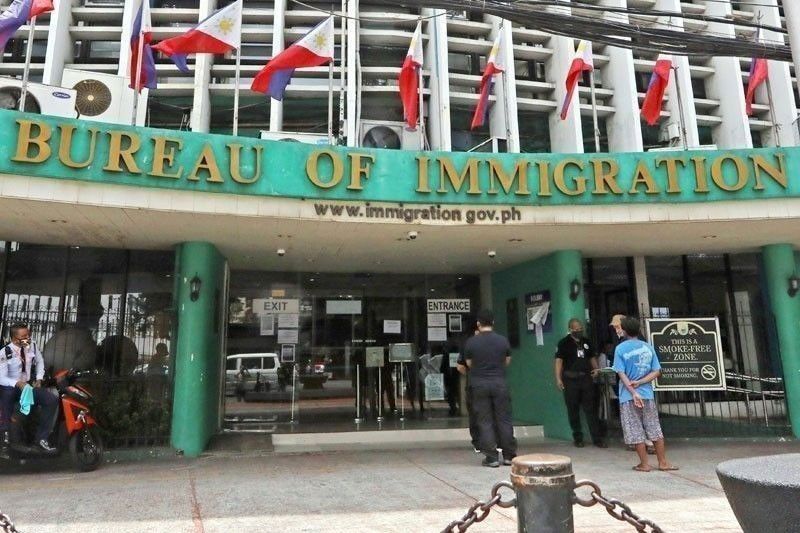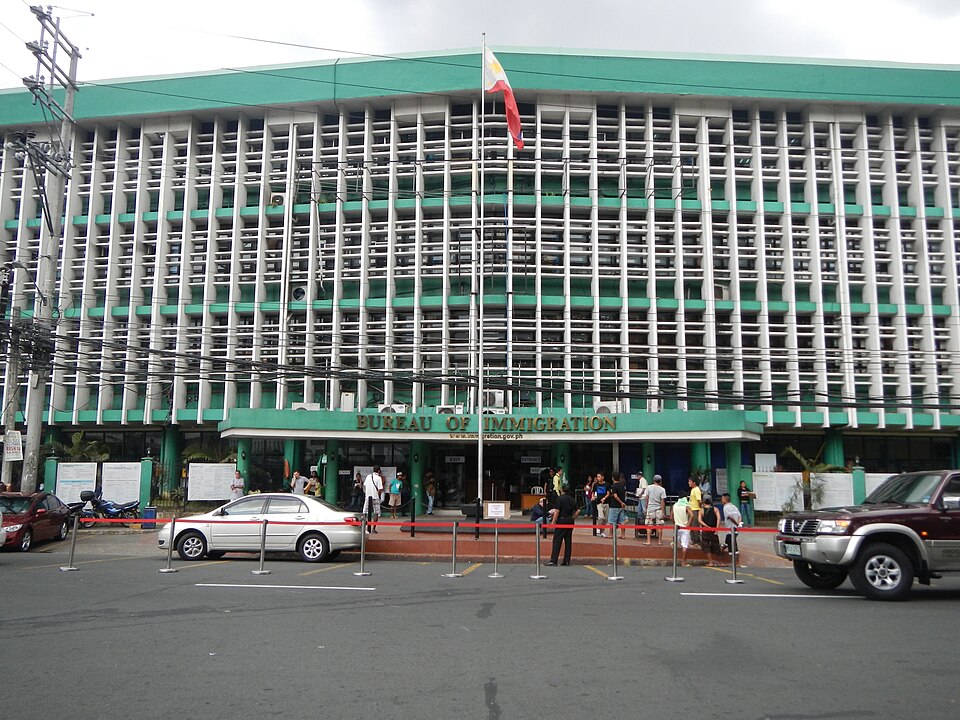
An immigration violation in the Philippines can have serious consequences for a foreign national. Depending on the circumstances, a violation may result in fines, loss of immigration status, cancellation of a visa, detention, deportation proceedings, or restrictions on future entry into the country. The consequences depend on the nature of the violation, the person’s immigration status, and the action taken by the Bureau of Immigration (BI).
For foreign employees, immigration compliance also involves a second layer of responsibility. A foreign national may have an immigration visa, such as a 9(g) Pre-Arranged Employment Visa, while also needing an Alien Employment Permit (AEP) or applicable exemption or exclusion under Department of Labor and Employment (DOLE) rules. These are separate requirements.
Foreign workers and their employers should therefore address immigration problems promptly instead of assuming that a pending application or an expired document automatically protects the foreign national from enforcement.
What Is an Immigration Violation in the Philippines?
An immigration violation occurs when a foreign national fails to comply with Philippine immigration laws, regulations, visa conditions, or the conditions attached to the person’s admission or stay.
The Philippine Immigration Act of 1940 provides the legal framework governing the admission, stay, and departure of foreign nationals. Section 37(a)(7), in particular, identifies as a ground for deportation an alien who remains in the Philippines in violation of a limitation or condition under which the person was admitted as a nonimmigrant.
Common examples relevant to foreign workers and business visitors include:
- Overstaying the authorized period of stay
- Remaining in the Philippines after an applicable visa or status has expired
- Working without the required immigration status
- Working in violation of the conditions of an immigration status
- Using false or misleading information in immigration matters
- Failing to comply with an immigration order
- Entering or remaining in the country without lawful status
Not every immigration problem has the same legal consequences. The specific facts and applicable BI procedures must be examined before determining what action is available.
Overstaying Is a Serious Immigration Violation
Overstaying is one of the most common immigration problems encountered by foreign nationals. It occurs when a foreign national remains in the Philippines beyond the authorized period of stay without obtaining the necessary extension or other lawful status.
The important date is not necessarily the expiration date printed on a visa stamp. Foreign nationals should check their actual authorized stay and immigration records.
BI’s Citizen’s Charter provides procedures for certain temporary visitors who have overstayed for more than 12 months or exceeded the maximum allowable stay applicable to their category. Such cases may require higher-level approval and derogatory record clearance rather than an ordinary extension transaction.
Overstaying can become substantially more serious when it continues for a long period. BI has recently arrested foreign nationals for extended overstaying and initiated deportation proceedings in appropriate cases.
Foreign nationals should therefore address an approaching expiration date before the authorized stay ends whenever possible.
Working Without the Correct Immigration Status
Foreign employment creates another important compliance issue because being physically present in the Philippines does not automatically give a foreign national permission to work.
The Bureau of Immigration has recently taken enforcement action against foreign nationals who were found engaging in business or employment without appropriate work visas or permits. In one 2026 enforcement operation, BI reported cases involving overstaying and gainful employment without the proper visa or permit.
For foreign employees, immigration status and labor authorization must be considered separately.
The 9(g) Pre-Arranged Employment Visa is an immigration route for qualifying foreign employees. The AEP, meanwhile, is a labor authorization administered by DOLE. DOLE has expressly reminded foreign nationals and employers that an ACR I-Card only permits residency and does not authorize employment; the AEP is the relevant work authorization where required.
This means a foreign worker should not assume that holding an ACR I-Card, tourist status, or another immigration document automatically permits employment.
What Happens After an Immigration Violation?
The consequences depend on the violation and the action taken by BI. There is no single penalty that applies to every case.
A foreign national may first need to resolve the underlying immigration deficiency, such as an expired stay or missing immigration document. More serious cases can involve investigation, detention, visa cancellation, derogatory records, or deportation proceedings.
The Philippine Immigration Act provides for deportation on specified grounds, including remaining in the Philippines in violation of the conditions of nonimmigrant admission. The law also provides that a foreign national in deportation proceedings must be informed of the specific grounds and given a hearing under the applicable procedures.
In practice, therefore, a foreign national should not ignore communications from BI or assume that a violation will disappear simply because the person later pays an ordinary extension fee.
Can a Foreign National Be Detained?
Detention is possible in immigration enforcement cases, particularly when BI takes a foreign national into custody while deportation proceedings or related immigration proceedings are pending.
Recent BI enforcement reports illustrate this. In a 2026 case involving an overstaying foreign national, BI reported that the individual was apprehended and transferred to the BI Warden Facility while deportation charges were being pursued.
Another 2026 enforcement operation involving foreign nationals accused of overstaying and unauthorized employment resulted in the individuals being brought into BI custody for further proceedings.
Detention is therefore not something foreign nationals should treat as a theoretical consequence of non-compliance.
If BI has already issued an order, warrant, or other formal action, the foreign national should obtain professional legal assistance immediately and comply with the applicable procedural requirements.
Can an Immigration Violation Lead to Deportation?
Yes. Certain immigration violations can constitute grounds for deportation.
Under Section 37 of the Philippine Immigration Act, an alien who remains in the Philippines in violation of the limitation or condition under which the person was admitted as a nonimmigrant is among those subject to deportation proceedings. The law also identifies other grounds, including certain unlawful entries, criminal convictions, prohibited-drug offenses, and other specified conduct.
Deportation is more serious than simply paying an overdue immigration fee.
A foreign national facing deportation should determine:
- The specific legal ground alleged by BI;
- Whether a warrant, order, or other formal document has been issued;
- Whether the person is already subject to a derogatory record;
- Whether there is an opportunity to respond or seek reconsideration;
- Whether the departure has been ordered; and
- What consequences the case may have for future Philippine entry.
These questions require a review of the actual BI documents rather than relying on general information.
What Is a Blacklist Order?
A foreign national who commits an immigration violation may also face restrictions on future entry.
BI explains that a Black List Order (BLO) prevents a foreign national from entering the Philippines and identifies overstaying as one common reason for inclusion on the blacklist. BI also states that a foreign national may request the lifting of a blacklist order by submitting a request addressed to the Commissioner, with supporting documents and, where appropriate, legal assistance.
A blacklist issue can therefore continue affecting a foreign national even after the person has left the Philippines.
This is particularly important for foreign executives, investors, employees, and business owners who expect to return to the Philippines for future employment or business activities.
What Is a Hold Departure Order?
A Hold Departure Order (HDO) is different from a blacklist order.
According to BI’s official FAQ, an HDO prevents an individual from departing the Philippines and requires a pending criminal case before the Regional Trial Court, together with an RTC order directing BI to prevent departure. BI also distinguishes HDOs from Immigration Lookout Bulletin Orders that may be issued in other circumstances.
A foreign national should therefore not assume that every immigration problem automatically creates an HDO.
However, if there is a pending criminal case or a formal departure restriction, the person should obtain legal advice before attempting to leave the country.
What Should You Do If You Discover an Immigration Violation?
The appropriate response depends on whether the problem has already been detected by BI. However, the following steps can help organize the response.
1. Determine the Exact Problem
Start by identifying the specific violation.
Check the passport, visa, ACR I-Card, BI records, previous extensions, work authorization, and other relevant documents. Establish when the authorized stay or applicable status ended and what happened afterward.
2. Stop Assuming the Status Is Valid
Do not continue relying on an expired document while waiting for someone to resolve the problem.
If the foreign national is working, the employer should also review whether the employee has the required work authorization.
3. Check for a Derogatory Record
BI provides a process for verifying whether a foreign national has a derogatory record. Its FAQ states that the foreign national can request verification through the Clearance and Certification Section, subject to the applicable requirements and fees.
This can be important before planning a departure, a new visa application, or another immigration transaction.
4. Address the Problem With BI
The foreign national should determine which BI transaction or legal remedy applies to the situation.
A simple extension, a request involving a derogatory record, a visa cancellation issue, and a deportation proceeding are not interchangeable.
5. Obtain Legal Advice for Serious Cases
Professional legal assistance becomes particularly important when BI has issued a warrant, deportation order, blacklist order, or other formal adverse action.
A lawyer can review the actual documents and determine whether a response, motion, request, or other remedy is available.
What if the Violation Involves an Expired 9(g)?
Foreign employees holding a 9(g) visa should monitor the validity of their immigration status carefully.
An expired 9(g) does not become valid simply because the employer has filed an extension application. The employee and employer should confirm the person’s actual status with BI and determine what authorization is currently in effect.
The consequences can be significant. BI reported in 2026 that a foreign national whose 9(g) work visa had expired was brought in for verification after authorities encountered the individual in an enforcement operation involving illegal work and overstaying.
The practical lesson for employers is straightforward: immigration applications should be filed and monitored before expiration, and the company should not treat a pending application as an automatic substitute for valid immigration status.
What If the Problem Is an AEP Violation?
Not every foreign employment compliance problem is an immigration violation. Some issues concern the AEP and Philippine labor regulations.
DOLE’s AEP rules apply to foreign nationals who engage in gainful employment in the Philippines unless an applicable exemption or exclusion applies. DOLE describes the AEP as a labor authorization based on the applicable requirements and labor-market considerations.
This distinction is important because an employer may need to correct both an immigration issue and a labor-permit issue.
DOLE also changed the administration of AEP applications in 2026. Effective June 9, 2026, processing, evaluation, approval, issuance, release, adjudication, and enforcement functions relating to AEPs were centralized at the DOLE Central Office.
Employers should therefore use the current DOLE process rather than relying on older regional office procedures.
Can an Immigration Violation Be Corrected?
Some immigration problems can be resolved, but there is no universal cure.
A foreign national with a straightforward compliance issue may be able to complete the appropriate BI transaction, pay applicable fees or penalties, and regularize the person’s status if BI permits it.
More serious matters may involve formal proceedings.
The distinction is critical. A foreign national who discovers a short administrative problem before receiving a BI order is in a different situation from someone who has already been arrested, issued a warrant, placed on a blacklist, or ordered to leave the country.
The earlier the issue is identified, the more options may be available.
How Can Employers Prevent Immigration Violations?
Employers hiring foreign nationals should treat immigration compliance as an ongoing responsibility rather than a one-time visa application.
A practical compliance system should track:
- Passport expiration
- 9(g) or other visa validity
- Authorized stay
- AEP validity, when required
- ACR I-Card status
- Employment contract dates
- Employer and position information
- Required professional licenses
- Visa extension deadlines
- AEP filings
- Annual Report obligations
- Termination or change of employer requirements
Employers should also review the employee’s status when there is a major change in the employment arrangement.
A foreign worker changing positions or employers should not simply continue using the same immigration documents without checking whether a new action is required.
What Should a Foreign National Do Before Leaving the Philippines?
Departure should also be planned carefully when there has been an immigration problem.
Before traveling, the foreign national should determine whether an Emigration Clearance Certificate or other departure documentation is required, whether there is an outstanding immigration obligation, and whether any derogatory record or departure restriction exists.
BI’s official FAQ provides procedures for verifying derogatory records and explains that certain departure restrictions can prevent a person from leaving the Philippines.
A foreign national should not wait until they arrive at the airport to discover that an unresolved immigration matter prevents departure or requires additional processing.
Key Takeaways
An immigration violation in the Philippines should never be treated as a minor administrative inconvenience without first determining the exact nature of the problem.
Overstaying, unauthorized employment, violating visa conditions, unlawful entry, false representations, and failure to comply with immigration orders can have different consequences. Depending on the circumstances, a foreign national may face fines or other administrative requirements, cancellation of immigration status, detention, deportation proceedings, or restrictions on future entry.
The Philippine Immigration Act provides grounds for deportation for certain violations, including remaining in the Philippines in violation of the conditions attached to non-immigrant admission. BI’s recent enforcement actions also demonstrate that overstaying and unauthorized employment continue to receive active enforcement attention.
Foreign employees must also remember that immigration status and employment authorization are separate. An ACR I-Card does not authorize employment, and an AEP is not the same as a 9(g) visa.
The best strategy is prevention: monitor immigration deadlines, maintain valid work authorization, report material changes, and address problems with BI before they become enforcement cases.
If an immigration violation has already occurred, the foreign national should review the actual immigration record and seek professional assistance promptly, particularly if BI has issued a formal order, warrant, or derogatory record.
Is Assistance Available?
Immigration problems can become more complicated when a foreign national is also employed in the Philippines because both immigration and labor requirements may need to be addressed.
Work Visa Philippines can assist foreign employees and Philippine employers with work visas, AEP-related requirements, visa extensions, immigration compliance, and other matters involving foreign nationals working in the Philippines.
Professional assistance can be especially valuable when a foreign national has overstayed, worked without the appropriate authorization, received a BI notice, or has a derogatory immigration record.
For assistance, contact:
- Contact Us Here
- Fill Out the Form Below
- Call us at +63 (02) 8540-9623