For foreign investors, doing business in the Philippines means working within a mixed system of liberalized investment rules and carefully defined restrictions that protect certain sectors and national priorities. In most areas, the law now allows 100% foreign equity, but there are still specific industries and activities where foreign ownership is limited or prohibited.
Many foreign nationals who invest in the Philippines also need to understand how business formation, corporate visas, and long-term residence fit together. Setting up a company often involves not only the Securities and Exchange Commission and other regulators, but also immigration and labor steps if foreign staff or investors will be living and working in the country.
What “Doing Business” Means in the Philippines
Under the Foreign Investments Act, the term “doing business” covers more than just owning shares in a company; it includes ongoing commercial activities such as soliciting orders, entering into service contracts, opening offices, appointing representatives, and participating in management or control of a domestic entity.
The concept is important because a foreign entity that is “doing business” in the Philippines without a license may not be able to sue in Philippine courts, although it can still be sued. That is why foreign investors must determine whether their activities amount to continuous commercial operations rather than isolated transactions.
Ownership Rules and the Negative List
The Philippines has liberalized foreign investment so that foreign investors can own up to 100% of most enterprises, except where the Constitution or specific laws impose limits. The Foreign Investment Negative List defines which activities are restricted or reserved for Filipinos.
List A covers areas reserved by the Constitution, such as certain media, public utilities, and land-related activities. List B covers activities regulated for defense, public health, or public morals, such as the manufacture of dangerous drugs, gambling, and similar sectors.
For many export-oriented businesses, technology, and services, foreign investors can form a fully foreign-owned corporation without needing a Filipino partner, as long as the activity is not on the negative list.
Types of Business Structures
Foreign investors can choose among several business structures depending on their goals, risk profile, and whether they want a local juridical personality. Common options include a domestic corporation, a branch office, a representative office, or a regional headquarters.
A domestic corporation is a separate Philippine legal entity that can limit the liability of the foreign parent company. A branch office is an extension of the foreign company and is treated as fully foreign-owned, while a representative office or regional headquarters typically has more limited functions and may not engage in direct revenue-generating activities.
Choosing the right structure affects taxation, licensing, filing requirements, and how the company interacts with immigration and labor rules if foreign staff are involved.
Capital Requirements and Paid-Up Capital
The required capital amount for foreign investors depends on the type of enterprise and whether it serves the domestic market or the export market. For domestic market enterprises, there are generally higher minimum capital requirements if foreign ownership exceeds 40%, unless the activity qualifies under special rules or incentives.
Many export enterprises, including BPOs, IT services, and call centers, are considered export-oriented and can be fully foreign-owned with lower paid-up capital, sometimes as low as a few thousand pesos, although banks may require more to open a corporate account. Retail trade enterprises that want 100% foreign ownership typically need significantly higher paid-in capital, such as several million dollars, or must focus on high-end luxury products with specific per-store capital minimums.
The exact amount should always be confirmed with the latest regulations and the Securities and Exchange Commission before filing.
Incentives and Priority Sectors
Many sectors in the Philippines are open to foreign investors, but certain activities are prioritized and may qualify for incentives under the Investments Priorities Plan. These include agriculture and agribusiness, creative industries, mass housing, energy, infrastructure, research and development, green projects, motor vehicles, tourism, and strategic projects.
Enterprises registered with economic zones such as PEZA may also receive tax and other incentives, depending on their activities and compliance with zone rules. These programs can make the Philippines more attractive for manufacturing, IT-BPO, and technology-related investments.
For investors, the question is not only whether the sector is open to foreign equity, but also whether incentives are available and how they affect the overall business plan.
Immigration and Work Visas for Investors
Investing in the Philippines normally does not automatically give the foreign investor the right to live and work in the country. For foreign investors who want to stay long term, manage operations, or bring in staff, immigration planning is essential.
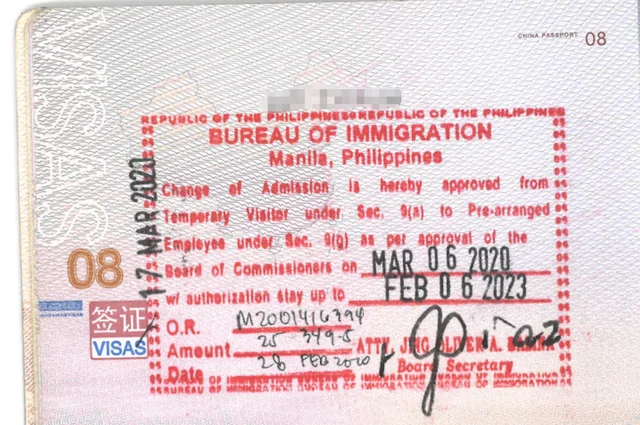
If the investor will be directly employed by the Philippine company, the standard route is an Alien Employment Permit (AEP) and a 9(g) Pre-Arranged Employment Visa. For representatives or specialists on short-term assignments, a Special Work Permit or Provisional Work Permit may be more appropriate.
Those who are not employed but wish to reside in the Philippines may consider residency options such as the Special Investor’s Resident Visa (SIRV) or the Special Resident Retiree’s Visa (SRRV) if they qualify. These paths are separate from the business setup, but they are often paired with investment activities.
Common Mistakes Foreign Investors Make
One common mistake is assuming that simply incorporating a company is enough to handle immigration or labor requirements for foreign staff. The company must also comply with the right visa and work permit rules if any foreign national will work in the Philippines.
Other typical mistakes include:
- Setting up a structure that does not match the intended business activity, such as using a representative office for revenue-generating work.
- Ignoring the negative list and choosing a sector that is restricted or prohibited for foreign ownership.
- Underestimating the capital, licensing, and ongoing compliance costs for the chosen structure.
- Failing to plan for immigration and residence status for the investor and key foreign employees.
These errors can lead to delays, additional costs, or even problems with enforcement and licensing later.
Wrapping Up
For foreign investors, doing business in the Philippines offers liberalized rules in many sectors, but still requires careful attention to the negative list, ownership limits, capital requirements, and immigration planning. The right structure and the right visa must be chosen together, especially when foreign nationals will be living and working in the country.
Why Get Expert Help
For workvisaphilippines.com, doing business in the Philippines is closely linked to migration and residency planning for foreign investors and their employees. Many investors come with a clear business plan, but need help aligning the corporate setup with the correct visa, work permit, and residence options.
A good strategy is to think about the company, the people, and the immigration status as one integrated project, not as separate steps taken after the fact. This approach helps avoid situations where the business is ready, but the investors or key staff do not have the right legal status to stay or work in the Philippines.
Our team helps foreign investors and their teams navigate the intersection of business setup, immigration, and labor compliance so their Philippine operations can launch smoothly and stay compliant from day one. Contact us today:
- Contact Us Here
- Fill Out the Form Below
- Call us at +63 (02) 8540-9623