Foreign professionals who want to know how to work as an expat in the Philippines need to consider more than finding a suitable job. A foreign national who intends to work in the country generally needs the appropriate labor authorization and immigration status before starting employment. The employer also has responsibilities when hiring a foreign worker.
The Philippines allows foreign nationals to work in various professional, technical, managerial, and specialized roles, but foreign employment is regulated. The Department of Labor and Employment (DOLE) requires an Alien Employment Permit (AEP) in cases where an AEP is applicable, while the Bureau of Immigration (BI) handles the relevant immigration status, including the 9(g) Pre-arranged Employment Visa for qualifying long-term employment.
The process has also changed recently. DOLE introduced new foreign employment rules in 2025, followed by full centralization of AEP processing at the DOLE Central Office effective June 9, 2026.
For foreign professionals considering employment in the Philippines, understanding these requirements before accepting a position can help avoid problems with work authorization and immigration status.
What Does It Mean to Work as an Expat in the Philippines?
Working as an expat generally means living in the Philippines while performing professional or employment-related work as a foreign national. The employment may involve a Philippine company, a foreign company with a Philippine operation, or another arrangement that requires the foreign national to perform work in the country.
Common expat roles can include:
- Management and executive positions;
- Technical and specialist positions;
- Engineering and technology roles;
- Business and financial positions;
- Education and training;
- International business services;
- Advisory and consulting positions; and
- Other specialized occupations, subject to applicable Philippine laws.
The important distinction is between being physically present in the Philippines and being legally authorized to work here.
A foreign national can have lawful immigration status without having permission to engage in employment. For example, an Alien Certificate of Registration (ACR) does not by itself constitute work authorization. DOLE has specifically emphasized that foreign nationals who intend to work need the appropriate employment permit in addition to immigration documentation.
Can Foreigners Legally Work in the Philippines?
Foreign nationals can legally work in the Philippines when they satisfy the applicable labor and immigration requirements.
DOLE’s rules regulate the employment of foreign nationals and establish an AEP system for employers hiring foreign workers. Under Department Order No. 248, Series of 2025, foreign employment is subject to requirements concerning the availability of Filipino workers, the foreign national’s qualifications, and the needs of the relevant sector or industry.
This means an employer cannot simply hire a foreign national on the same basis as a local employee and assume that the immigration requirements will take care of themselves.
The employer should first determine whether the position can lawfully be filled by a foreign national and whether an AEP, a certificate of exemption, a certificate of exclusion, or other authorization applies.
The foreign national must then obtain the immigration status appropriate to the employment arrangement.
Finding a Job Before Applying for a Work Visa
For many expats, the first practical step is securing an employment opportunity with a Philippine employer.
A foreign professional should generally identify an employer that is prepared to hire foreign nationals and support the necessary employment and immigration procedures.
This is important because the common 9(g) employment visa is based on a pre-arranged employment relationship.
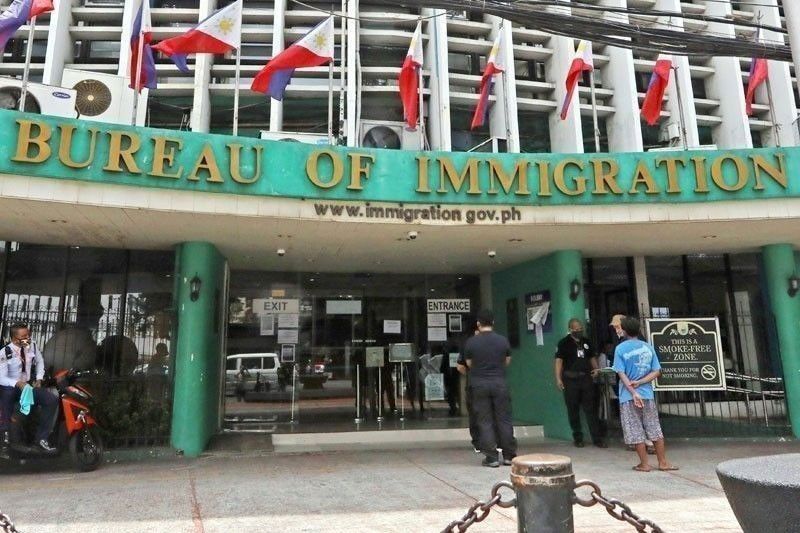
The Bureau of Immigration identifies foreign nationals proceeding to the Philippines to engage in lawful employment for wages, salary, or other compensation among those who may apply for the commercial 9(g) Pre-arranged Employment Visa, subject to the applicable requirements.
A job search should therefore consider not only salary and position but also whether the prospective employer can support the foreign worker’s legal employment requirements.
Before accepting an offer, a foreign professional should clarify:
- Who the legal employer will be;
- Where the work will be performed;
- What the position involves;
- Whether the employer has hired foreign workers before;
- Whether an AEP will be required;
- What immigration status will be used; and
- Which party will handle the relevant applications and expenses.
These questions can prevent misunderstandings after an employment contract has already been signed.
The Alien Employment Permit Is a Key Requirement
The AEP is one of the most important requirements for foreign nationals seeking employment in the Philippines when no exemption or exclusion applies.
DOLE defines the AEP as a permit issued to a foreign national who has the capacity and qualifications to engage in gainful employment in a position for which no Filipino national is competent, able, and willing to perform at the time the application is filed.
The current rules are contained principally in DOLE Department Order No. 248, Series of 2025, together with Department Order No. 248-A, Series of 2025, which clarified and amended portions of the original rules.
The AEP process, therefore, involves more than submitting the foreign employee’s passport and employment contract. The employer must satisfy the applicable labor market requirements and demonstrate the circumstances supporting the foreign hire.
The 2025 AEP Rules Changed the Hiring Process
Foreign professionals should be aware that older online guides may describe AEP procedures that no longer accurately reflect the current rules.
DOLE Department Order No. 248, Series of 2025, introduced strengthened requirements concerning the employment of foreign nationals. Among other matters, the rules address the availability of Filipino workers, foreign national qualifications, labor market testing, and skills or knowledge transfer.
The rules also introduced requirements concerning the publication of the position.
Under the original 2025 order, employers were required to publish the vacancy and the name of the foreign national they intended to hire. Department Order No. 248-A subsequently clarified that publication in a newspaper of general circulation is required, while posting through PhilJobNet and the relevant PESO or Job Placement Office is encouraged rather than being a precondition to filing the AEP application.
Foreign applicants should therefore make sure their prospective employer is following the current DOLE procedure rather than an older checklist or blog article.
AEP Processing Is Now Centralized
Another significant development concerns where AEP applications are processed.
Effective June 9, 2026, DOLE centralized the processing, evaluation, and issuance of new and renewal AEPs at its Central Office. DOLE Regional Offices were directed to stop accepting, processing, evaluating, and issuing these AEP applications.
This change matters when planning an expat’s move to the Philippines because older instructions may still refer applicants to their local DOLE Regional Office.
The current centralized system should be followed when an AEP application is required.
DOLE has also been implementing digitalized procedures as part of the transition to the centralized AEP framework.
Understanding the 9(g) Work Visa
The 9(g) Pre-arranged Employment Visa is one of the principal immigration options for foreign professionals taking qualifying employment in the Philippines.
The Bureau of Immigration’s current service information states that foreign nationals proceeding to the Philippines to engage in lawful occupation for wages, salary, or other compensation may apply for the commercial 9(g) visa, subject to the applicable requirements.
The 9(g) visa is therefore relevant to foreign professionals who have secured employment with a Philippine employer and intend to work in the country on a continuing basis.
The immigration application is separate from the AEP process. Having an AEP does not mean that the foreign national automatically has the 9(g) visa, and having immigration status does not automatically satisfy the labor authorization requirement.
The two systems need to be considered together.
How the Work Visa Process Generally Works
The exact process depends on the foreign national’s circumstances, but a typical long-term employment arrangement involves several stages.
Step 1: Secure the Employment
The foreign professional first obtains an employment offer or contract from the Philippine employer.
The position should accurately describe the employee’s duties, qualifications, compensation, and employment arrangement.
Step 2: Review the Foreign Hire
The employer should determine whether the position may be filled by a foreign national and whether an AEP is required.
The foreign worker’s education, professional experience, technical skills, and other qualifications may be relevant to the application.
Step 3: Complete the AEP Requirements
Where an AEP applies, the employer must follow the current DOLE rules, including applicable labor market testing and publication requirements.
Step 4: Determine the Immigration Category
For qualifying long-term employment, the 9(g) Pre-arranged Employment Visa may be appropriate. Other circumstances can involve different permits or visa categories.
Step 5: Submit the Immigration Application
The Bureau of Immigration provides its own forms, documentary requirements, pre-screening, payment, and processing procedures for 9(g) applications.
Step 6: Complete Continuing Compliance
After authorization is granted, the employer and employee need to monitor the validity of the employment permit and immigration status and comply with applicable reporting and registration requirements.
What Qualifications Help a Foreign Professional?
Foreign professionals should understand that having international work experience does not by itself guarantee approval for employment in the Philippines.
DOLE’s foreign employment rules focus on whether the foreign national has the qualifications necessary for the position and whether there is a competent, able, and willing Filipino worker who could perform the services.
A strong application should therefore accurately demonstrate why the individual is qualified for the position.
Relevant evidence can include:
- Educational qualifications;
- Professional experience;
- Technical expertise;
- Industry-specific certifications;
- Specialized knowledge;
- Management experience;
- Employment history; and
- Other qualifications relevant to the actual position.
The employer’s job description should also correspond with the foreign national’s qualifications.
For regulated professions, additional licensing or professional authorization may be required. A work visa does not automatically give a foreign national the right to practice a profession that is regulated under Philippine law.
Can an Expat Start Working Immediately After Arriving?
A foreign national should not assume that entering the Philippines allows them to begin employment.
Visa-free entry, a temporary visitor status, or another immigration status does not automatically constitute authorization for ordinary employment.
The relevant work authorization should be established before the employee begins performing the job.
This is particularly important for foreign professionals who arrive in the Philippines ahead of their official employment start date. The employee may be able to enter the country for a permitted purpose while the employment authorization is being processed, but the ability to remain in the Philippines is not the same as permission to work.
The employer and foreign employee should therefore establish when the employee can legally begin performing the duties described in the employment agreement.
What If the Job Is Only Temporary?
Not every foreign professional needs the same immigration route.
The Bureau of Immigration provides a Special Work Permit for certain temporary employment situations. Its current commercial SWP service covers foreign nationals engaging in gainful employment for periods of three to six months.
The Bureau also identifies other temporary or specialized activities that may be covered by specific permits.
This means a foreign professional coming to the Philippines for a short-term assignment should have the activity reviewed before choosing a visa or permit.
A short project, training assignment, professional engagement, or specialized service may involve different requirements from those applicable to someone taking a permanent or long-term position with a Philippine company.
What If the Expat Is Working Remotely?
Remote work creates a different immigration question.
A foreign professional who lives in the Philippines but works for an employer or client outside the Philippines should not automatically assume that a Philippine employment visa is required—or that any ordinary visitor status automatically permits remote work.
The Philippines has established a Digital Nomad Visa framework through Executive Order No. 86 for qualifying foreign remote workers. The framework is distinct from the 9(g) employment visa and is aimed at foreign nationals whose employment or business activities are conducted remotely for employers or clients outside the Philippines.
The specific eligibility conditions should be reviewed before relying on this route.
For someone who will actually be employed by a Philippine company, however, the ordinary employment visa framework remains relevant.
What Happens After Getting a Work Visa?
Obtaining a work visa is not the end of the compliance process.
Foreign professionals need to maintain their immigration and employment status while they remain employed in the Philippines.
The employee and employer should monitor:
- AEP validity;
- Visa validity;
- Passport validity;
- ACR I-Card requirements;
- Annual Report obligations;
- Employment contract changes;
- Changes in job position;
- Employer changes; and
- Employment termination.
The Bureau of Immigration maintains separate services for alien registration, ACR I-Cards, and Annual Reports.
A foreign worker who changes employers or substantially changes employment circumstances should not assume that the existing authorization automatically transfers to the new arrangement.
The employer should review the relevant requirements before making the change.
How Foreign Professionals Can Prepare for a Philippine Job
The best preparation begins before the foreign professional moves to the Philippines.
A practical checklist is:
- Identify the prospective employer.
Confirm that the company is legally operating in the Philippines. - Review the position.
Make sure the job description accurately reflects the actual duties. - Confirm your qualifications.
Gather education, experience, professional, and technical documents relevant to the position. - Determine the AEP requirement.
Ask the employer whether an AEP, exemption, or exclusion applies. - Check the immigration category.
Determine whether the position requires a 9(g), temporary work permit, or another immigration route. - Prepare the documents.
Keep current copies of your passport, employment documents, qualifications, and other supporting records. - Confirm the start date.
Do not assume that physical arrival in the Philippines means you can immediately begin working. - Plan for continuing compliance.
Keep track of AEP, visa, passport, ACR, and reporting requirements.
This preparation can make the transition to employment considerably more organized.
Final Thoughts
Understanding how to work as an expat in the Philippines starts with recognizing that employment authorization and immigration status are separate but connected requirements.
For many foreign professionals taking long-term employment with Philippine employers, the process involves an AEP from DOLE and an appropriate immigration status, commonly the 9(g) Pre-arranged Employment Visa.
However, not every foreign worker follows exactly the same process. Temporary assignments, specialized professional activities, remote work, and other circumstances can involve different immigration considerations.
The current AEP rules are particularly important. DOLE introduced revised foreign employment regulations in 2025 and centralized AEP processing at its Central Office beginning June 9, 2026.
Foreign professionals should therefore assess their employment arrangement before starting work and rely on current government requirements rather than older online information.
Need Help Understanding How to Work as an Expat?
Work Visa Philippines assists foreign professionals and Philippine employers with employment-related immigration matters, including 9(g) work visas, work permits, AEP-related requirements, and other applicable immigration processes.
Whether you are preparing to accept a Philippine job, transferring to a Philippine office, changing employers, or reviewing your existing work authorization, professional assistance can help clarify the appropriate process for your circumstances.
Contact Work Visa Philippines today to discuss your plans to work in the Philippines and determine the appropriate visa and employment authorization requirements:
- Contact Us Here
- Fill Out the Form Below
- Call us at +63 (02) 8540-9623