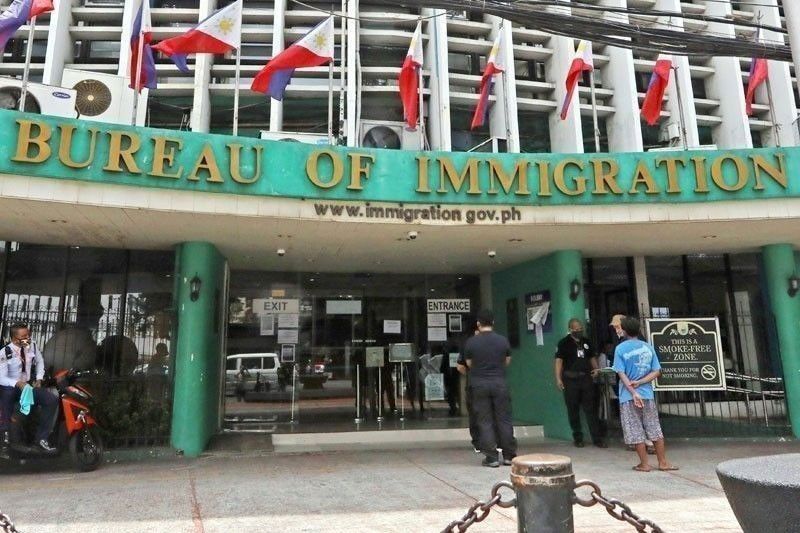
A delayed 9G visa can disrupt a foreign employee’s relocation, work schedule, and plans to remain in the Philippines. It can also create challenges for employers coordinating onboarding, immigration documents, and labor authorization. Although the Bureau of Immigration (BI) publishes a general processing estimate for commercial 9(g) visa applications, the actual timeline can vary depending on application volume, document completeness, and the processing steps required.
The BI’s official Frequently Asked Questions page states that processing for a commercial 9(g) Pre-Arranged Employment Visa usually takes 40 days, depending on the volume of applicants and provided that all submitted documentary requirements are complete. This is a general estimate, not a guarantee that every application will be approved within that period.
When an application takes longer than expected, the employee and employer should first confirm its status, identify any outstanding requirements, and check whether the delay affects the applicant’s lawful stay or ability to work. Taking these steps early can help prevent an administrative delay from becoming a separate immigration or employment compliance problem.
What is a 9(g) Visa?
Before addressing a delayed application, it is important to understand the purpose of the 9(g) visa. The 9(g) Pre-Arranged Employment Visa is an immigration category for foreign nationals coming to the Philippines to engage in lawful employment for wages, salary, or other compensation.
Under the commercial 9(g) process, a Philippine-based company acts as the petitioning employer. The Bureau of Immigration handles the immigration application, while separate labor requirements may apply through the Department of Labor and Employment (DOLE).
The 9(g) is different from a temporary visitor visa, an Alien Employment Permit (AEP), and an ACR I-Card. Each serves a different purpose, and having one document does not automatically replace the others.
This distinction matters when an application is delayed because the employee may need to resolve questions about immigration status and work authorization separately.
How Long Does a 9G Visa Application Usually Take?
The BI’s published estimate provides a useful starting point for employers planning a foreign employee’s arrival or transition to employment. According to the Bureau, a commercial 9(g) application usually takes approximately 40 days, provided the documentary requirements are complete and taking applicant volume into account.
Applicants should not interpret this estimate as a mandatory deadline for approval. The actual processing period can differ, and an application may require additional action before it can proceed.
For planning purposes, employers should allow sufficient time for document preparation, filing, assessment, and any required follow-up. They should also avoid confirming a firm start date that assumes approval will occur by a particular day.
If the application has exceeded the expected period, the next step is to verify the current status rather than assume that the visa has been approved or rejected.
Why Is a 9G Visa Delayed?
A delayed 9G visa can have several causes. Identifying the actual cause is more useful than relying on general assumptions about processing backlogs.
Incomplete or Inconsistent Documents
The application may need additional attention if a required form, supporting document, signature, or certification is missing or inconsistent.
For example, the employment contract may identify a position that differs from the job title stated in another supporting document. Corporate records may also need clarification if the information does not adequately establish the petitioning employer’s details.
Applicants should review the current BI checklist and determine whether the Bureau has requested additional information.
Application Volume
BI expressly states that the processing time for a commercial 9(g) depends partly on the volume of applicants. A longer wait does not, by itself, establish that an application has a substantive problem.
Employers should therefore verify the application status before concluding that a delay resulted from missing documents or an adverse decision.
Pending Assessment or Approval
A 9(g) application involves review by the relevant immigration office. An application that has been filed may still be awaiting assessment, approval, or another procedural step.
The applicant should distinguish between a pending application, a request for additional documents, and a formal denial. Each requires a different response.
Employer or Employment Documentation Issues
The employer is an important part of the commercial 9(g) application. If the employment arrangement or corporate documentation requires clarification, the employer may need to provide additional evidence.
The employer should check that the employee’s identity, job title, employment terms, and petitioning company information are consistent across the file.
How Can You Check the Status of a Delayed 9G Visa?
Applicants should use the Bureau of Immigration’s official status-verification resources rather than relying exclusively on informal updates.
BI publishes a Visa Application Status page containing application status information and instructions for verifying the relevant application number. The Bureau advises applicants to compare the application number in the published agenda against the number shown on the official receipt.
To check a delayed application:
- Locate the official receipt and application number.
- Visit the BI Visa Application Status page.
- Review the available agenda information.
- Match the application number carefully.
- Follow the instructions applicable to the application.
- Contact the relevant BI office or authorized representative if the status remains unclear.
The status page may not answer every question about an individual application. If the application does not appear in the available information, that fact alone should not be interpreted as proof of approval, rejection, or loss of the application.
Keep copies of the filing documents, official receipts, and written communications so that the employer or representative can provide accurate details when following up.
What Should You Do If the Application Exceeds 40 Days?
When a 9(g) application remains pending beyond the published estimate, the employee and employer should take a structured approach.
First, confirm the date the application was filed and whether the complete documentary requirements were submitted. Next, check the available BI status information and determine whether there has been a request for additional documents or another instruction.
If the status remains unresolved, the employer or authorized representative should follow up through the appropriate BI channel. The inquiry should include the application reference, filing date, official receipt details, and a concise explanation of the issue.
Avoid submitting a duplicate application simply because the original one appears delayed. A second filing may create confusion if the first application is still being processed.
The goal is to establish what stage the original application has reached and whether the Bureau requires any action before it can proceed.
Can Missing Documents Be Submitted Later?
A missing or deficient document may be addressed when BI permits the applicant to supplement the application. However, the correct procedure depends on the document requested and the instructions issued for that particular case.
The applicant should not assume that every missing document can be submitted informally or that sending additional paperwork automatically resolves the delay.
If BI has issued a specific request, follow its instructions and retain proof of submission. If the applicant is unsure whether a document is missing, confirm the requirements with the relevant office or authorized representative before sending unrelated materials.
The employer should also review the entire application for consistency. Correcting one missing document may not resolve a separate issue involving employment details or corporate records.
Can You Work While the 9G Application Is Pending?
A pending 9(g) application should not automatically be treated as permission to work.
The Bureau of Immigration provides a separate Provisional Work Permit (PWP) for a foreign national during the pendency of an application for a pre-arranged employment visa. BI lists the PWP as a distinct transaction with its own application requirements.
This means a PWP may be relevant in certain cases, but it is not automatically granted just because a 9(g) application has been filed.
The employee and employer should confirm whether a PWP is available and appropriate for the circumstances, complete the applicable procedure, and verify the authorization actually issued before the employee begins work.
They should also determine whether an AEP or applicable exemption or exclusion is required under DOLE rules. Immigration permission and labor authorization are separate questions.
What If the Employee Is Already in the Philippines?
A delayed application can be more complicated when the foreign national is already in the country. The applicant must consider both the pending visa transaction and the validity of the person’s current immigration status.
The employer and employee should establish the authorized period of stay, the current visa or admission category, and whether an extension or other immigration action is needed while the 9(g) application remains pending.
Do not assume that the pending application automatically extends the applicant’s authorized stay. Likewise, do not assume that the person may continue working simply because the employer intends to complete the application.
If the current stay is approaching expiration, seek guidance from BI promptly. Resolving the immigration-status issue early is safer than waiting until after the authorized stay has ended.
How Does a Delayed AEP Affect the 9G Application?
The AEP is a separate labor authorization administered by DOLE. It is generally required for covered foreign nationals intending to engage in gainful employment in the Philippines, unless an applicable exemption or exclusion applies.
An AEP issue and a 9(g) delay should not be treated as the same problem. The employer should determine which agency is handling the outstanding matter and whether the immigration application depends on a labor document that remains unresolved.
DOLE centralized AEP processing at the Central Office effective June 9, 2026. Under the announced arrangement, DOLE regional offices ceased accepting and processing new and renewal AEP applications.
Employers should follow the current centralized process when an AEP is required and avoid relying on older instructions that direct new applications to regional offices.
Should You Contact BI or File a New Application?
The appropriate response depends on the status of the original filing. A pending application, a returned application, and a formal denial are different situations.
If the application is still pending, the first step is to verify its status and determine whether any action is outstanding. If BI has requested additional documentation, follow the request. If the application has been formally denied, the employer and employee should review the decision and determine whether reconsideration or a new filing is appropriate.
A new application should not be the default response to every delay. Refiling without understanding what happened to the original application may waste time and complicate the records.
Where the status is unclear or a formal adverse decision has been issued, consider obtaining advice from a qualified Philippine immigration professional.
How Employers Can Prevent Future 9G Delays
Employers can reduce avoidable delays by starting the process early and maintaining a clear record of the application. This is particularly important when a foreign employee’s relocation, project assignment, or onboarding depends on immigration approval.
A practical checklist should include:
- Confirming the correct immigration category
- Reviewing the latest BI documentary checklist
- Ensuring employment and corporate records are consistent
- Confirming whether an AEP or applicable exemption/exclusion is required
- Retaining copies of forms, receipts, and correspondence
- Monitoring BI status information
- Responding promptly to document requests
- Reviewing the employee’s current authorized stay
- Confirming work authorization before the employee starts working
- Planning around the possibility of processing taking longer than expected
Employers should also assign responsibility for tracking deadlines. Leaving follow-up to informal email exchanges can make it difficult to establish whether a document was submitted or an instruction was addressed.
Final Perspective
A delayed 9G visa does not automatically mean that the application will be denied. The Bureau of Immigration states that commercial 9(g) processing usually takes around 40 days when the documents are complete, with actual timing affected by application volume.
When an application takes longer than expected, the most useful response is to verify its status, identify any outstanding requirements, and follow up through the appropriate BI channel. Applicants should avoid submitting duplicate applications or assuming that a pending filing grants permission to work.
It is equally important to monitor the foreign national’s current immigration status and any separate labor authorization requirements. A PWP may be available during a pending 9(g) application in qualifying circumstances, but it requires its own process. An AEP, when required, is a separate DOLE authorization.
Planning early, keeping accurate records, and responding promptly to official instructions can help employers and foreign employees manage delays without creating additional compliance problems.
Where to Get Professional Help?
A delayed 9(g) visa application can involve several connected issues, including incomplete documents, pending BI assessment, the applicant’s authorized stay, and separate labor permit requirements.
Work Visa Philippines can assist foreign employees and Philippine employers with 9(g) visa applications, extensions, AEP-related requirements, document reviews, and immigration compliance. Assistance can help clarify which agency to approach and what steps may be appropriate for the circumstances.
For assistance, contact us today:
- Contact Us Here
- Fill Out the Form Below
- Call us at +63 (02) 8540-9623